Community
Photography and Belonging
11 Feb – 25 May 2026
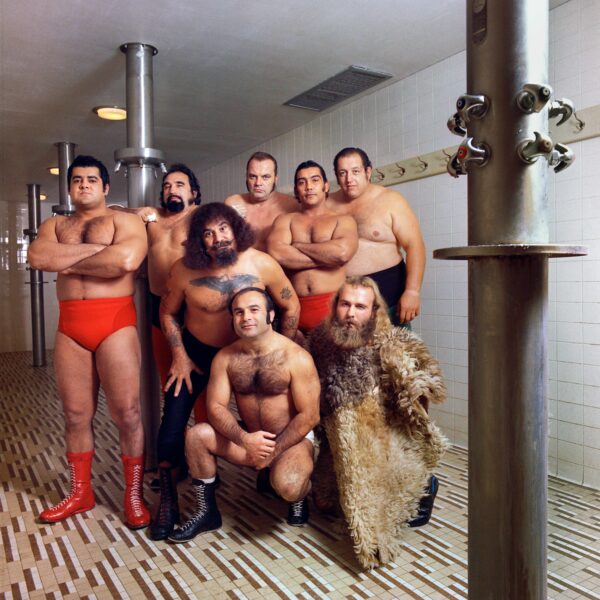
Date
11 Feb – 25 May 2026
Location
» KunstpalastAdmission: 16 € / concessions 12 €
Children / young people under 18: free
Members of Friends of the Kunstpalast: free

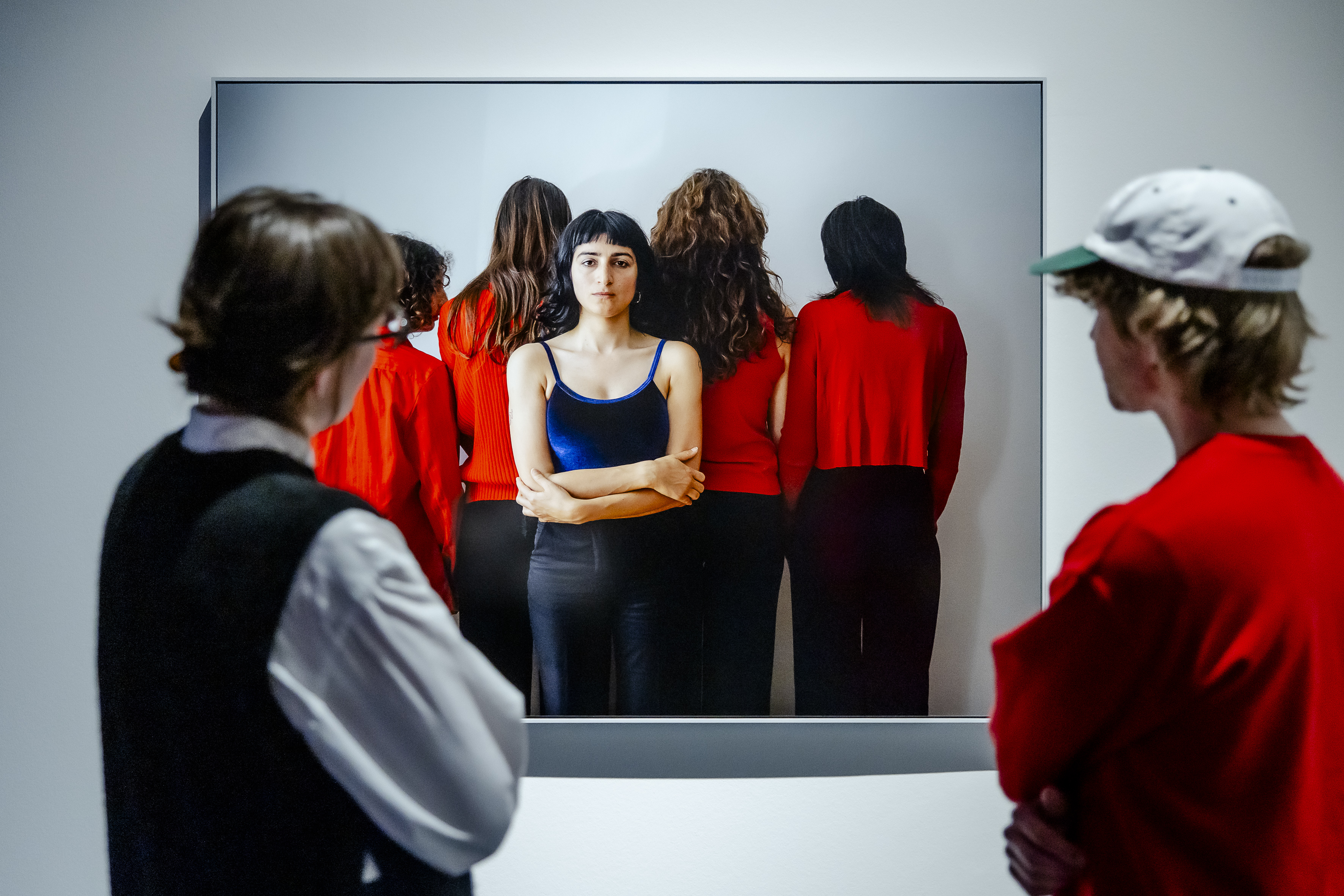
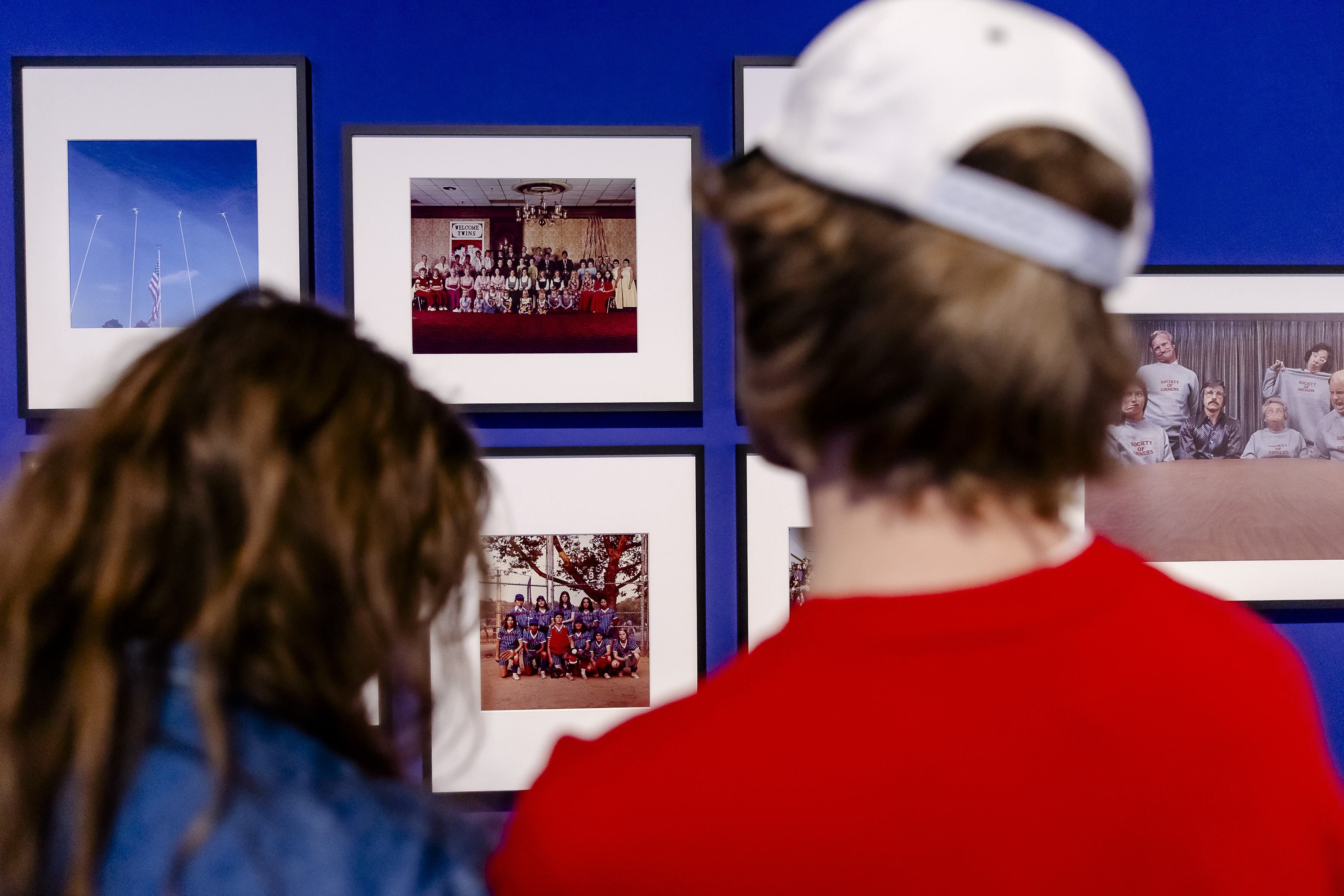
The soccer fan club, the family, the political collective – people strive to belong. Since the invention of photography, the medium has not only captured belonging, but can also fuel or question it. Photography makes it possible to demonstrate that you are part of something bigger. It can also be used to draw boundaries with those who are not part of one’s own community.
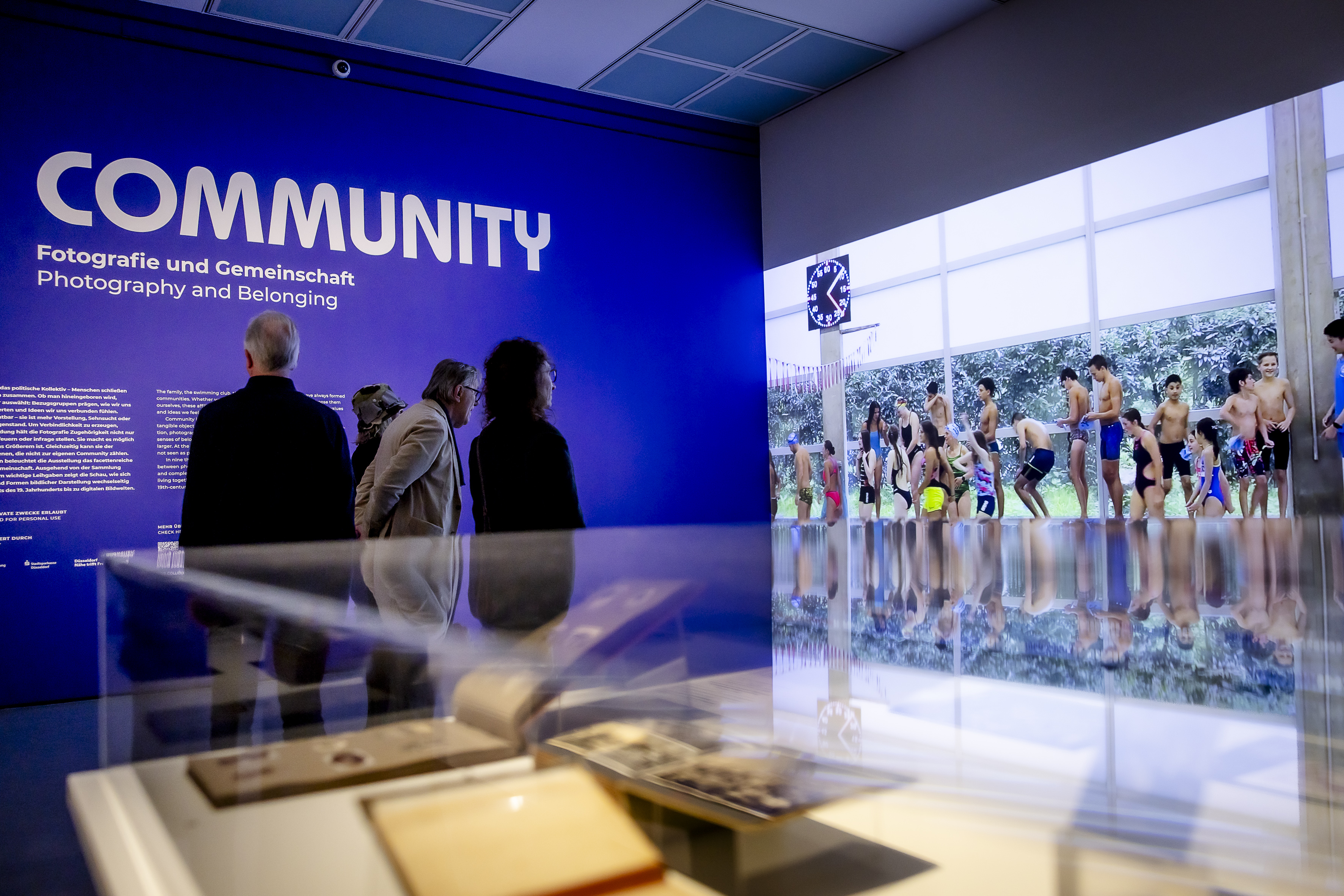
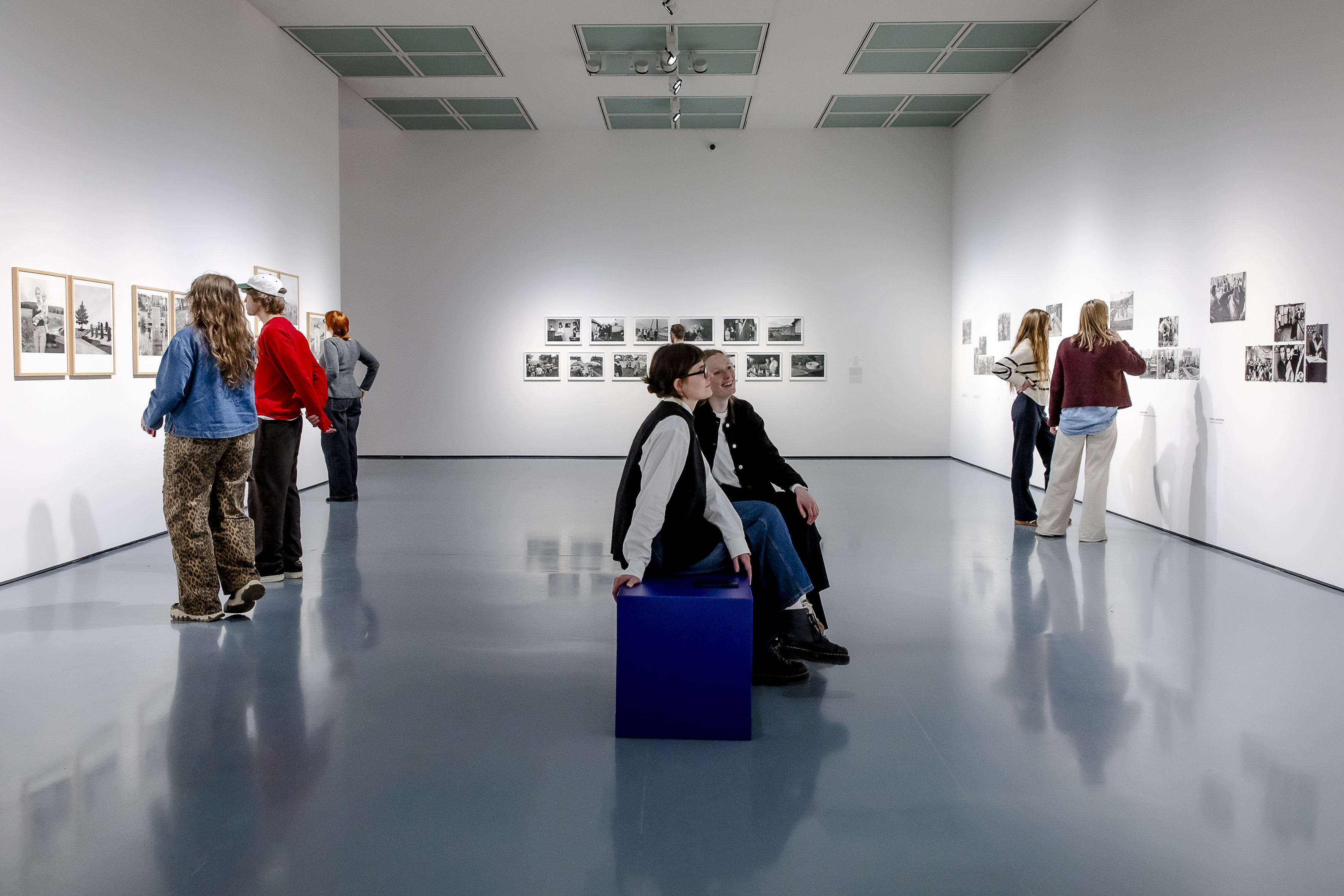
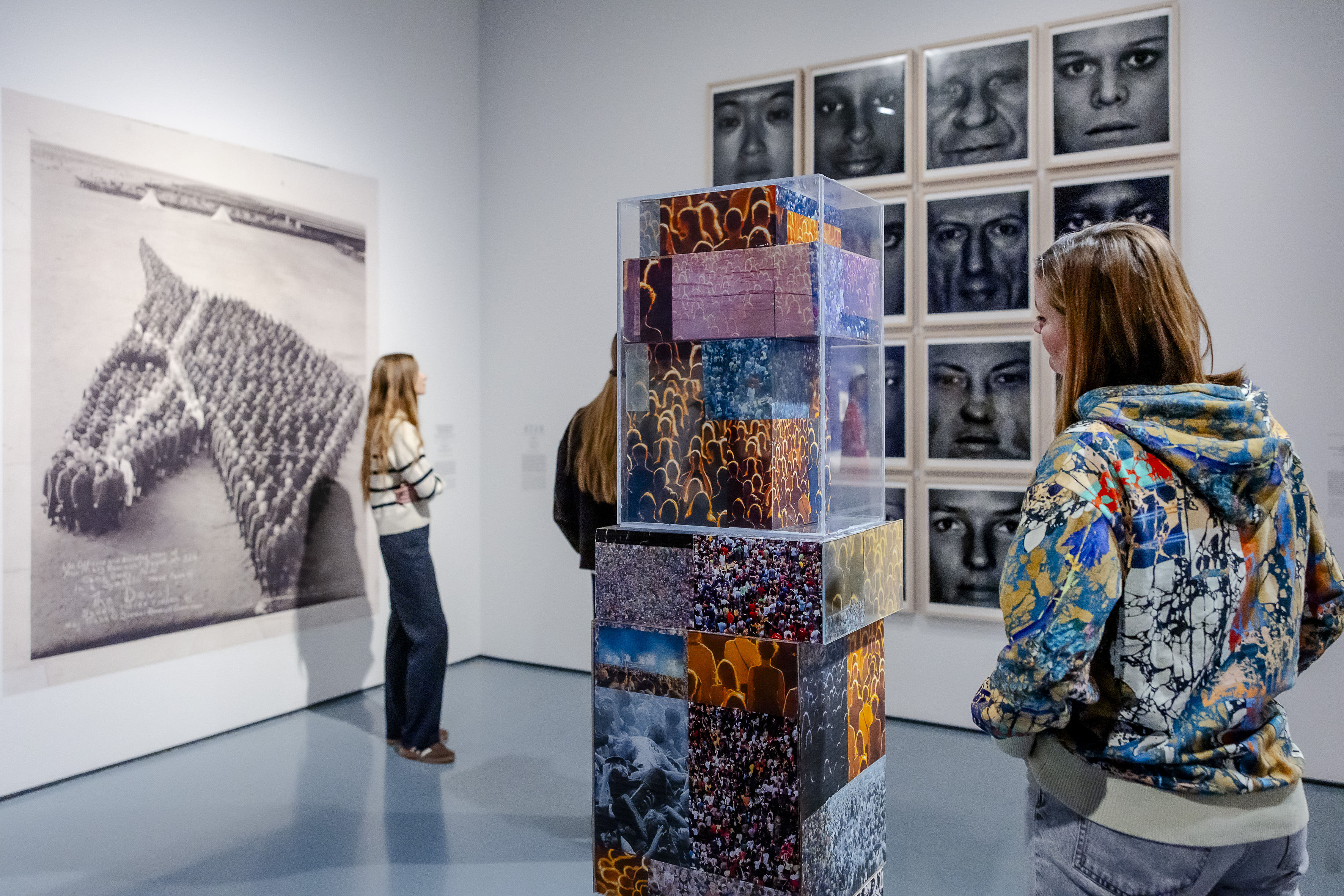
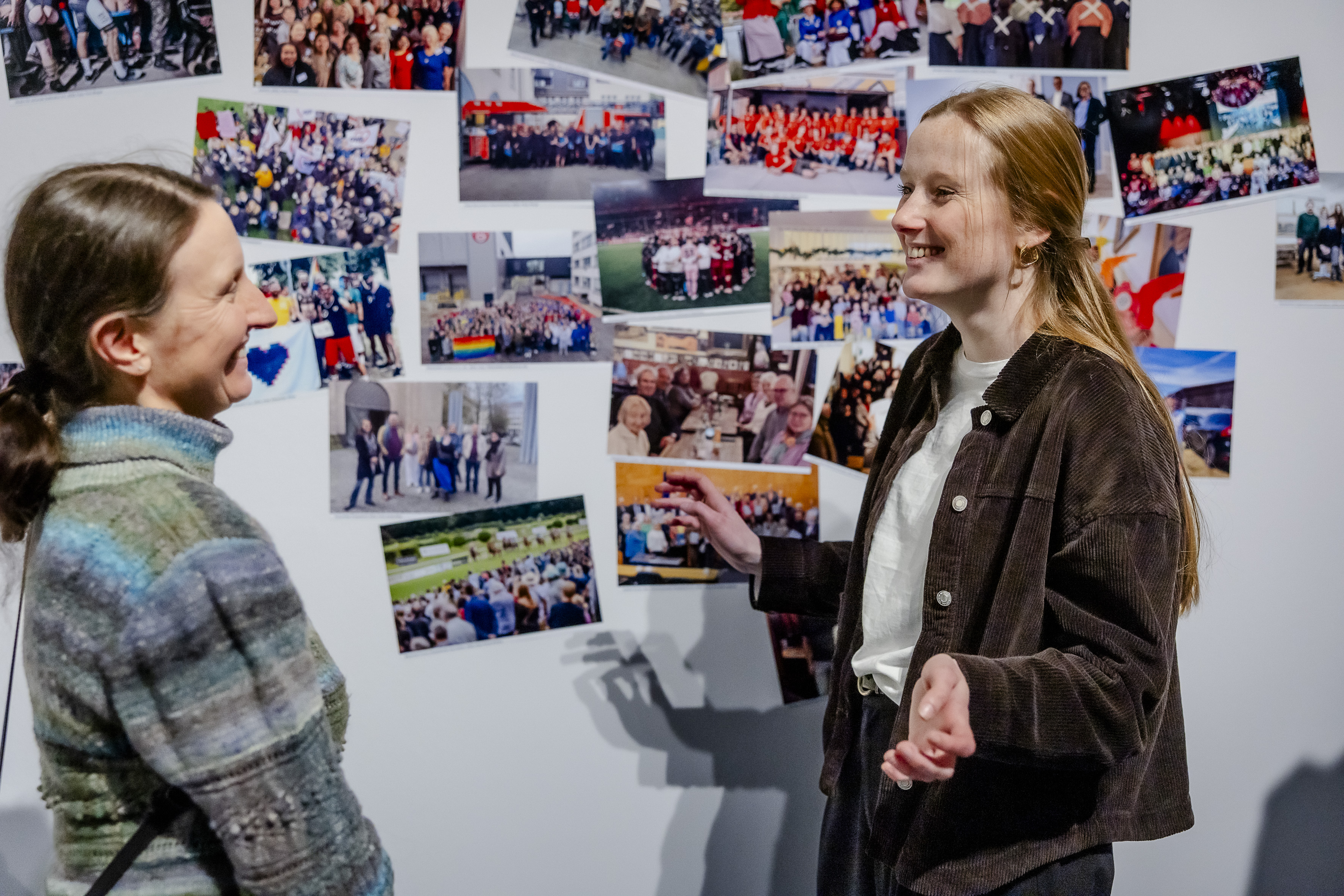
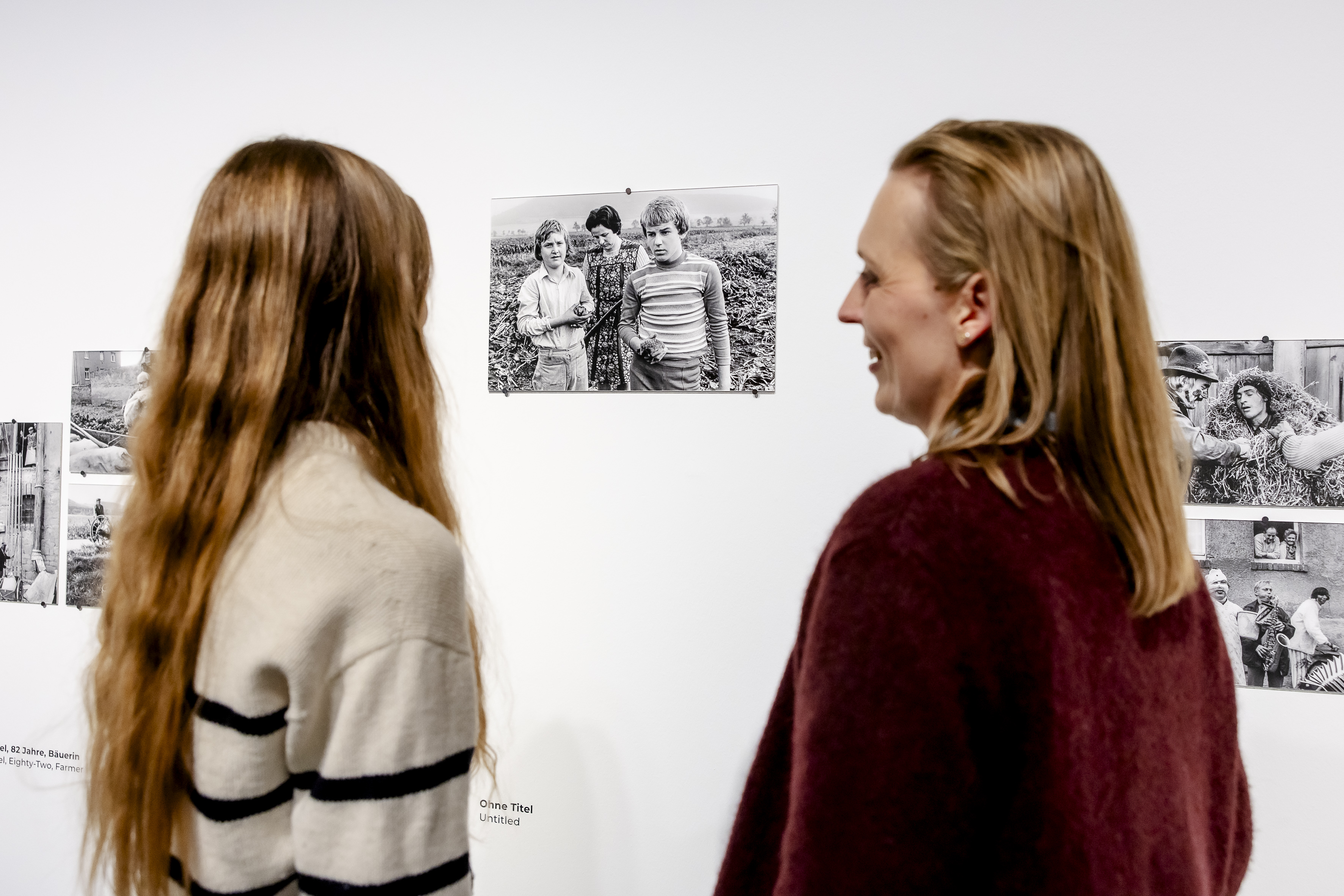
The exhibition, which will be on display at the Kunstpalast from February 11 to May 25, 2026, sheds light on the multifaceted relationship between photography and community in the past and present. It brings together applied and artistic positions that explore this relationship – whether with subtle humor, impressive solidarity or with the aim of precise analysis.

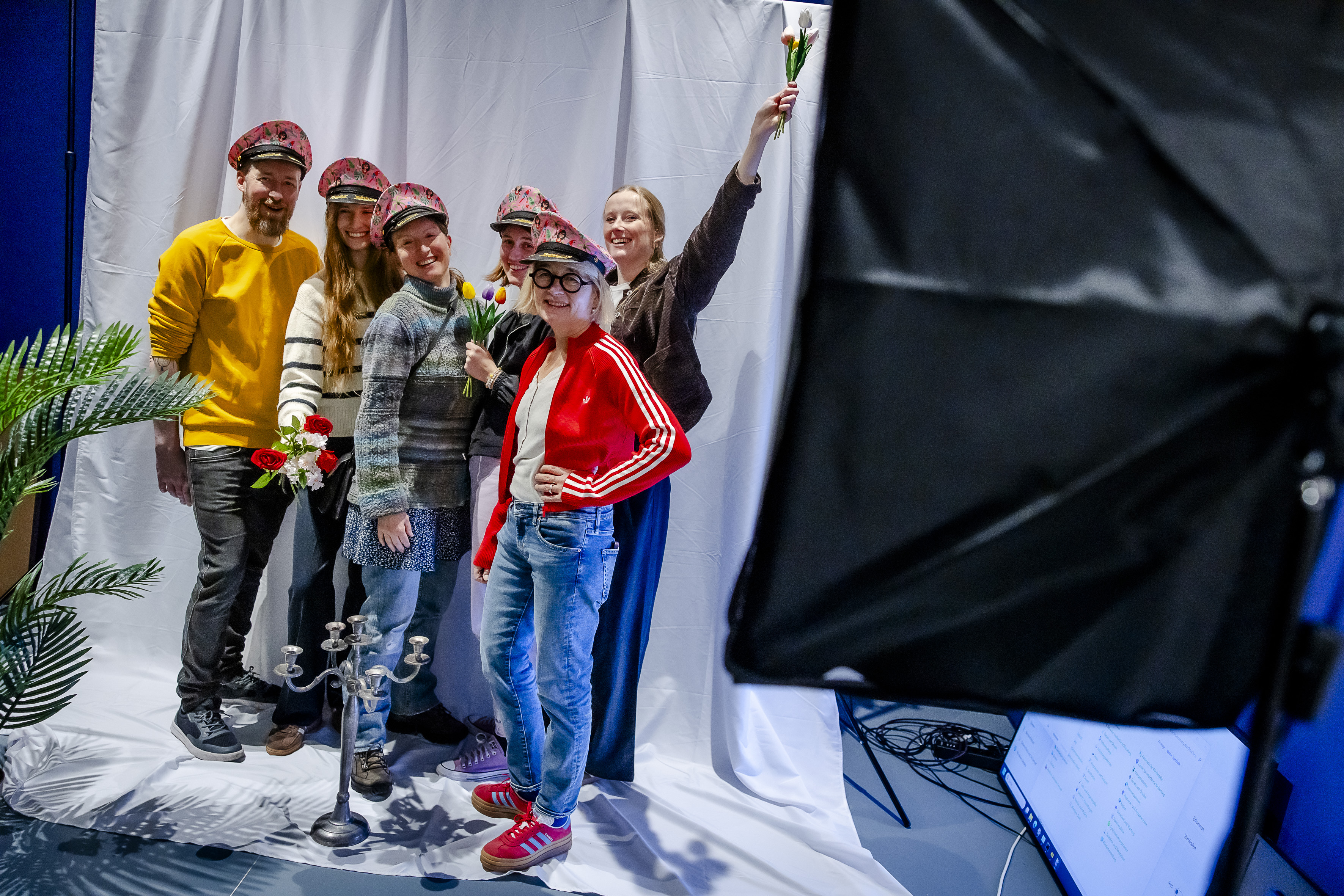
The exhibition is developed from the photographic collection of the Kunstpalast and supplemented by international loans. Visitors will be actively involved in the exhibition and can contribute their own community images. The exhibition will be accompanied by a richly illustrated catalog with contributions from art history, sociology and historical research on the subject.
Exhibition view
 Exhibition view, photo: Anne Orthen
 Exhibition view, photo: Anne Orthen
 Exhibition view, photo: Anne Orthen
 Exhibition view, photo: Anne Orthen
 Exhibition view, photo: Anne Orthen
 Exhibition view, photo: Anne Orthen
 Exhibition view, photo: Anne Orthen
 Exhibition view, photo: Anne Orthen
Exhibition catalogue
Edited by Linda Conze | 144 pages | 160 colour illustrations | 23.5 x 28.5 cm | German | Softcover

Supported by


Picture credits
Picture credits
Made in Düsseldorf #7
PERSPECTIVES. Photographs from the Stadtsparkasse Düsseldorf’s Art Collection
12 Sept – 26 Oct 2025
Date
12 Sept – 26 Oct 2025
Location
» KunstpalastAdmission: free / concessions free
Children / young people under 18: free
Members of Friends of the Kunstpalast: free
Made in Düsseldorf is an exhibition series organised by the Stadtsparkasse Düsseldorf in cooperation with the Kunstpalast and the NRW-Forum. It is dedicated to contemporary artists who are connected to Düsseldorf and the Rhineland through their studies, their place of residence or their artistic content.
The seventh exhibition, titled BLICKWINKEL (Perspectives), features photographic works from the Stadtsparkasse Düsseldorf’s art collection. The presentation will be supplemented by works by Tata Ronkholz loaned from a private collection in Düsseldorf.
Over time, photography has evolved from a purely documentary technique designed to capture the world in images into a versatile medium of expression with considerable scope for interpretation. Spanning three chapters and featuring six artists, the exhibition presents different – sometimes contrasting – approaches with a variety of techniques and perspectives on artistic photography as a form of documentation or expression.
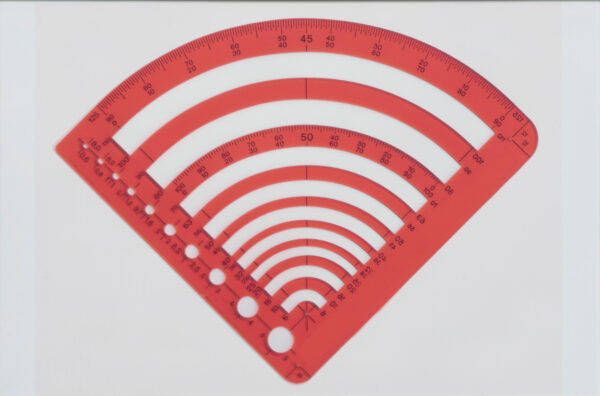
Erica Baum and Rita McBride both significantly enlarge their subject matter in order to emphasise its form.They invite viewers to interrogate what is being depicted and its meaning or function.
Bernd and Hilla Becher devoted themselves to documentary photography. The artist couple – as well as their former students Boris Becker and Tata Ronkholz – adopt a similar frontal, central perspective in their photographs of buildings, which allows comparisons to be drawn between the photographs. At the same time, it becomes clear that Boris Becker and Tata Ronkholz pursued their own artistic paths from an early stage.
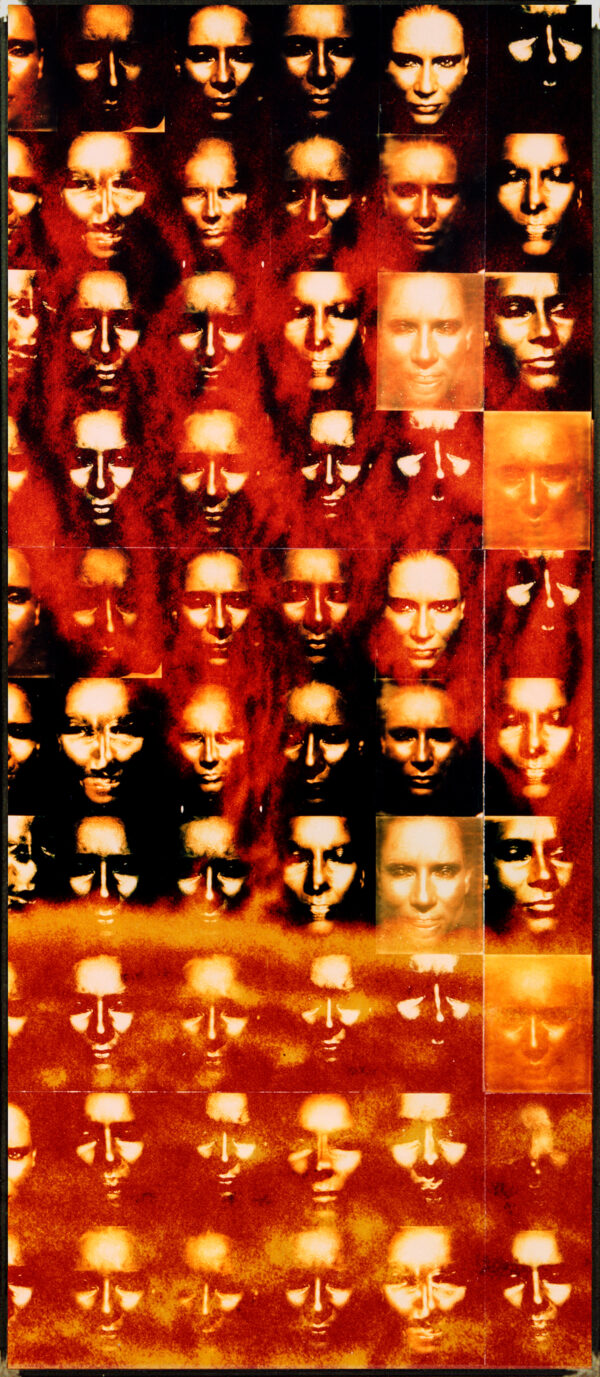
Katharina Sieverding is not interested in documenting a supposed reality, but rather in challenging photography’s claim to represent it. By artistically transforming and distorting her large-format self-portraits, she draws attention to the social, political and structural challenges of her time.

Commitment to the Kunstpalast/NRW-Forum
The Stadtsparkasse Düsseldorf has been supporting the NRW-Forum in its exhibition and education projects as a partner of the institution since 2017. This year marks the first time that the exhibition is being shown at the Kunstpalast since the NRW-Forum merged with it in 2020. Promoting the arts and supporting cultural institutions in Düsseldorf represent an important part of the Stadtsparkasse Düsseldorf’s social commitment.
The Stadtsparkasse Düsseldorf’s art collection was launched in the 1970s by Fritz Kulins, then chairman of the board. The first works found their way into the collection through corporate exhibitions. The works added to the collection were primarily by students at the art academy, but also by important representatives of the Düsseldorf art scene.
In 2008, a cooperation with the Kunstpalast resulted in the Stadtsparkasse Düsseldorf’s collection at the Kunstpalast. With these new acquisitions and the focus on the medium of photography, the Stadtsparkasse Düsseldorf is helping the Kunstpalast to expand its photography collection. In the annual Made in Düsseldorf exhibition, a selection of these new acquisitions – which are based on recommendations made by Linda Conze, the head of the photography collection at the Kunstpalast – are presented to the public. This year, four new acquisitions from the previous year are on display: three works by Rita McBride and a photograph by Tata Ronkholz.
Curator: Esther Breinig, curator of the Stadtsparkasse Düsseldorf’s art collection
Image Credits
Image Credits
The fifth element
Works from the Kemp Collection
26 November 2025 – 22 March 2026

Date
26 November 2025 – 22 March 2026
Location
» KunstpalastAdmission: 16 € / concessions 12 €
Children / young people under 18: free
Members of Friends of the Kunstpalast: free
What is the world made of? What holds it together? These fundamental questions have accompanied humanity for thousands of years. In ancient times, people initially sought simple principles to explain the diversity of nature and developed the doctrine of the four elements: earth, fire, water and air. They represent opposites, change and sensory experience.
The exhibition brings together artistic positions that oscillate between physics and philosophy, material and idea, nature and technology. Kemp, a tax consultant and art collector from Düsseldorf whose collection comprises over 3,000 works and was donated to the Kunstpalast in 2011, spent his life searching for new perspectives. His fascination with abstract tendencies in art, with the interplay of materiality, energy and perception, shapes this presentation. The exhibited works invite viewers to reflect on the boundaries of matter, spirit and perception. Around 70 works show how artists explored the material, immaterial and processual in art in new ways.

Earth – Archive of Time
The presentation begins by focusing on the earth as a symbol of origin and transience. For thousands of years, it has stood for fertility, stability and the cycle of life. But the earth is not only a mythological symbol, it is also a real material. Artists of the 20th century began to incorporate the diversity of soil materials into their work as an independent means of design. In the work Garden by Düsseldorf artist Günther Uecker, made of sand and stones, a landscape association becomes apparent – oscillating between renewal and destruction. Reliefs, collages and earthy textures make the nature of the world visible and give it a new, artistic expression. In this way, the earth becomes an archive of time in which natural and cultural layers overlap – traces of life that are rearranged by the hand of art.

Fire – The Power of Transformation
Hardly any other element embodies change as directly as fire. It destroys and creates at the same time. As a symbol of power, transformation and renewal, it runs through mythology, religion and art history. After the Second World War, fire became a driving force for transformation in art. Artists experimented with combustion processes, molten metals, sooty surfaces and intense colours. ZERO co-founder Otto Piene treated his canvases with fire, smoke and soot; he painted, sprayed and set them alight. Rupprecht Geiger used the luminous quality of colour to convey the energy of fire in his works. Whether in flaming colourful paintings or sculptures formed from glowing steel, fire became both a tool and a theme in the artistic search for a new beginning.

Air – Invisible Dynamics
Air is paradoxical: omnipresent yet invisible. It enables life on Earth and connects it to the infinite space of the sky. In art, it was initially depicted in the form of wind, fog or smoke, conveying depth and atmosphere. In the 20th century, air itself became the focus as a material: vibrations, pressure and movement became part of artistic experiments. Installations and kinetic objects make the invisible dynamics of the element tangible. Small Sail by New York-based German artist Hans Haacke is set in motion by a fan. Otto Piene’s fire gouache Red Icarus illustrates an energetic moment between departure and hubris. In these skyward-rising air sculptures, technology, nature and collective experience merge into an experience that draws attention to the relationship between humans and the environment. Air stands for freedom and transience, for the invisible that nevertheless has an effect.

Water – Form and Flow
Since ancient times, water has been regarded as the source of all life. It stands for change, movement and purity, for the constant transformation of matter and meaning. In modern and contemporary art, water also appears as a medium. Its flowing movement becomes a pictorial principle that emphasises blurring, transparency and change. From abstract paintings to objects, water serves as a symbol of the eternal cycle in which everything remains in flux. Gerhard Hoehme related these properties of water to those of paint: flow, impasto, layering and drying – to create an independent pictorial theme. Hans Haacke brings scientific processes to the fore and makes the water cycle visible in his work Tropfkugel (Drip Ball), which traces different states of aggregation. The element thus becomes a vehicle for social issues – between destruction and renewal, nature and culture.

The Fifth Element – World of Machines
The four elements alone are not enough to explain the world. Aristotle added ether, the ‘fifth element,’ which fills and orders the cosmos. The last three rooms of the exhibition are devoted to this invisible principle, which symbolically transcends the material world and deals with concepts such as energy, time, space and consciousness. Since the 1950s, numerous artists have devoted themselves to these immaterial dimensions. Light, movement, reflection and vibration replace traditional form. Materials such as glass, mirrors, aluminium and electronic components open up new possibilities for expression. The result is works that oscillate between substance and idea – sensually experienceable, but at the same time intellectually charged.

A universal principle
The Fifth Element – Works from the Kemp Collection invites visitors to take a fresh look at the world of the elements through the lens of art. It shows that the boundaries between nature, technology and imagination are fluid. The works in the exhibition reveal the inexhaustible energy of creativity: a cycle of transformation, observation and insight – driven by the curiosity that fuels both science and art.
Curator: Therés Lubinetzki, research assistant, Kemp Collection, Kunstpalast

Power Lab
Research begins with curiosity and unfolds through posing questions. By conducting experiments, we explore the phenomena of our environment: What structures and connects the universe? Which forces attract and which repel? How do bright colours emerge from white light?
Become researchers and artists yourselves – let the exhibition inspire you! Earth, fire, water, air and the mysterious fifth element serve here as starting points for your own ideas. At the stations, take some time to observe, experiment and create something new.
View of the exhibition
 View of the exhibition, photo: Anne Orthen
 View of the exhibition, photo: Anne Orthen
 View of the exhibition, photo: Anne Orthen
 View of the exhibition, photo: Anne Orthen
 View of the exhibition, photo: Anne Orthen
 View of the exhibition, photo: Anne Orthen
 View of the exhibition, photo: Anne Orthen
 View of the exhibition, photo: Anne Orthen
 View of the exhibition, photo: Anne Orthen
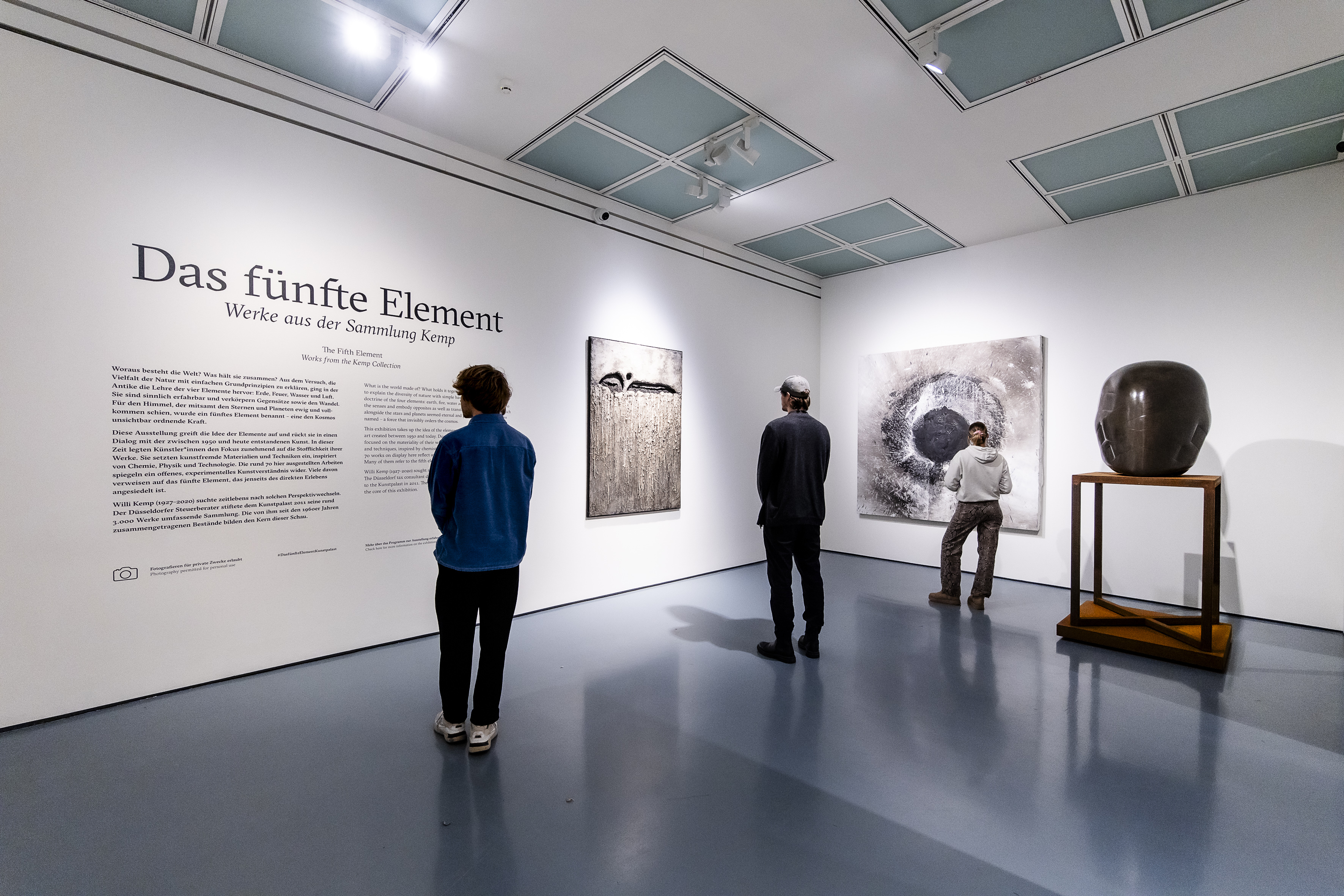
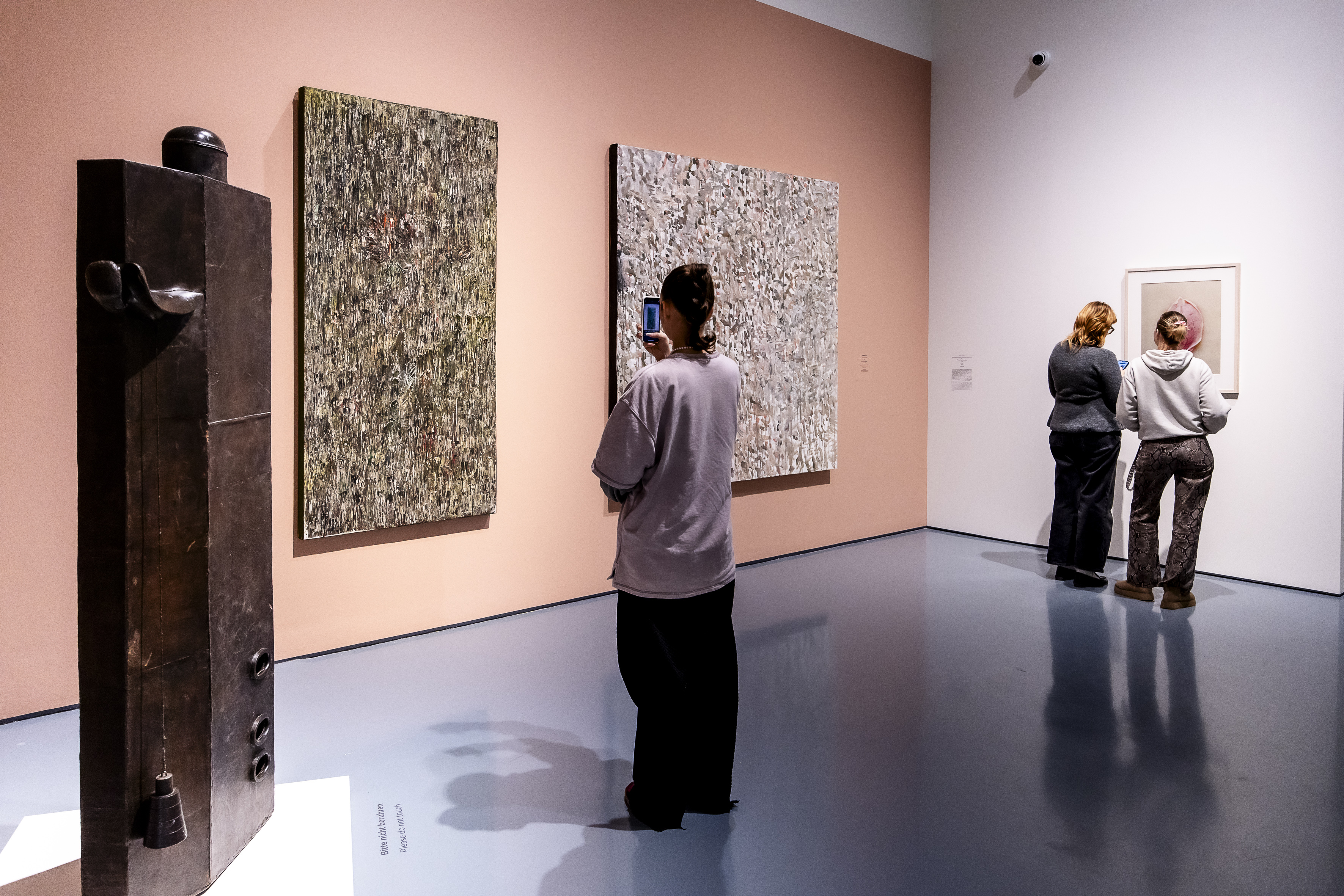
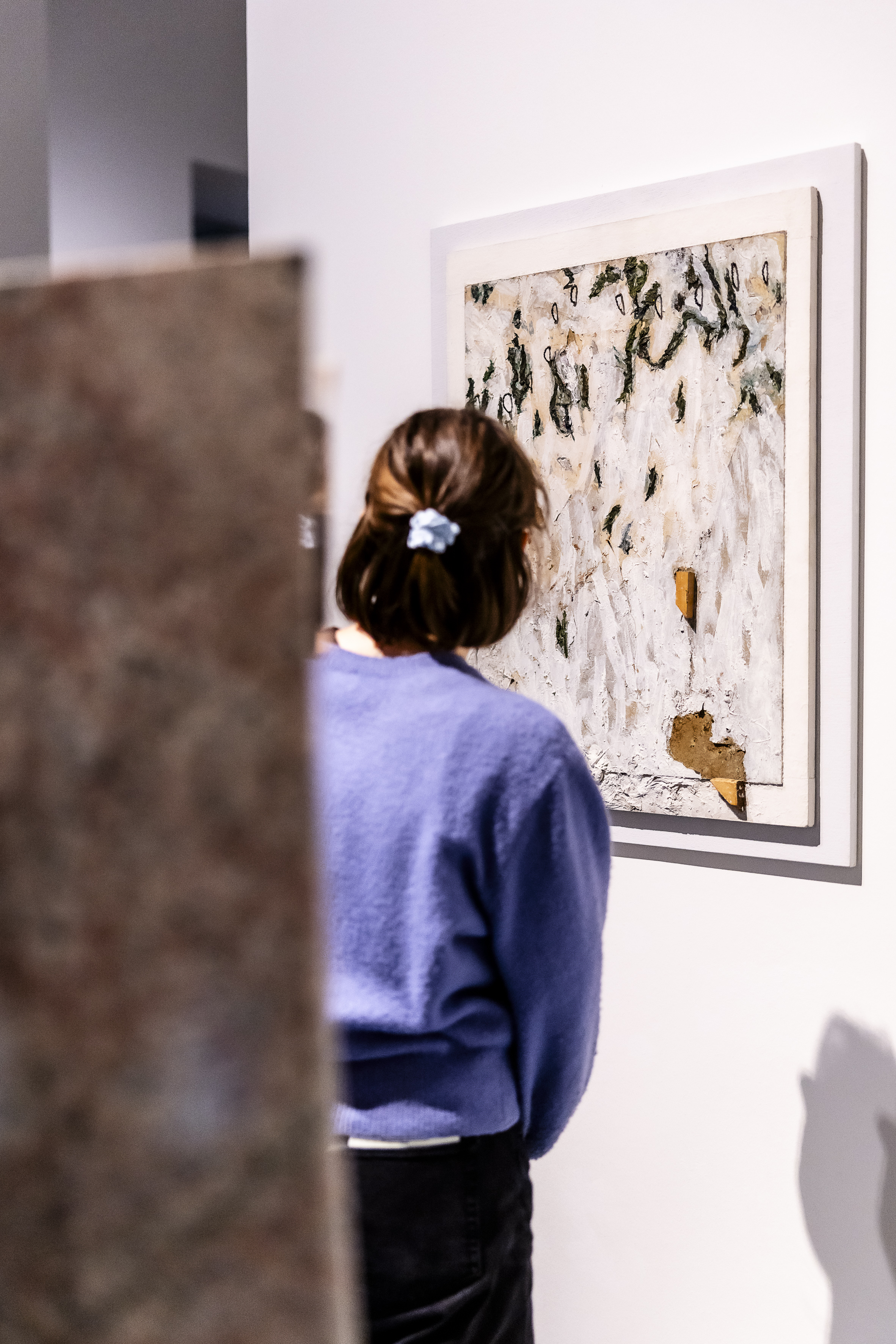
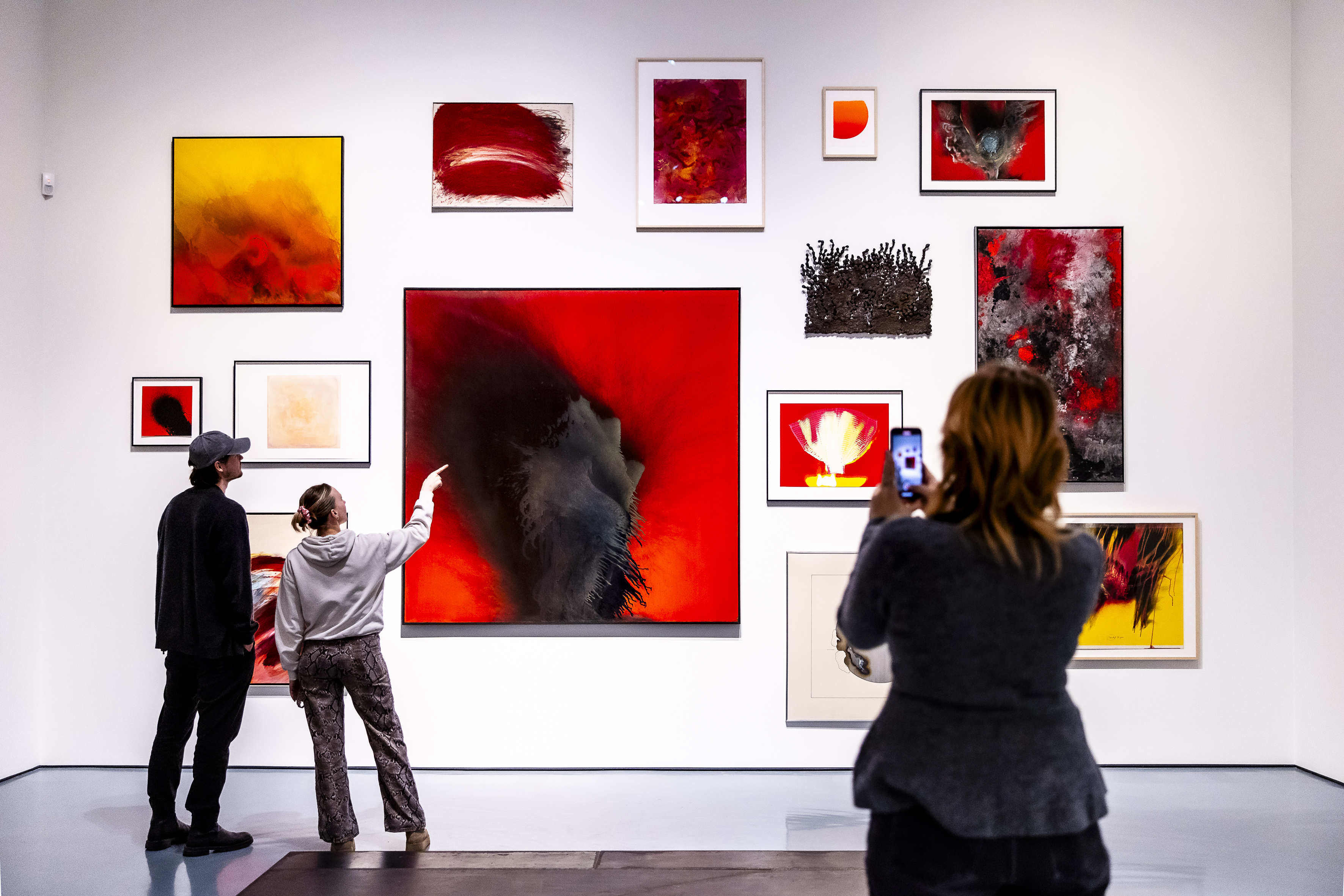
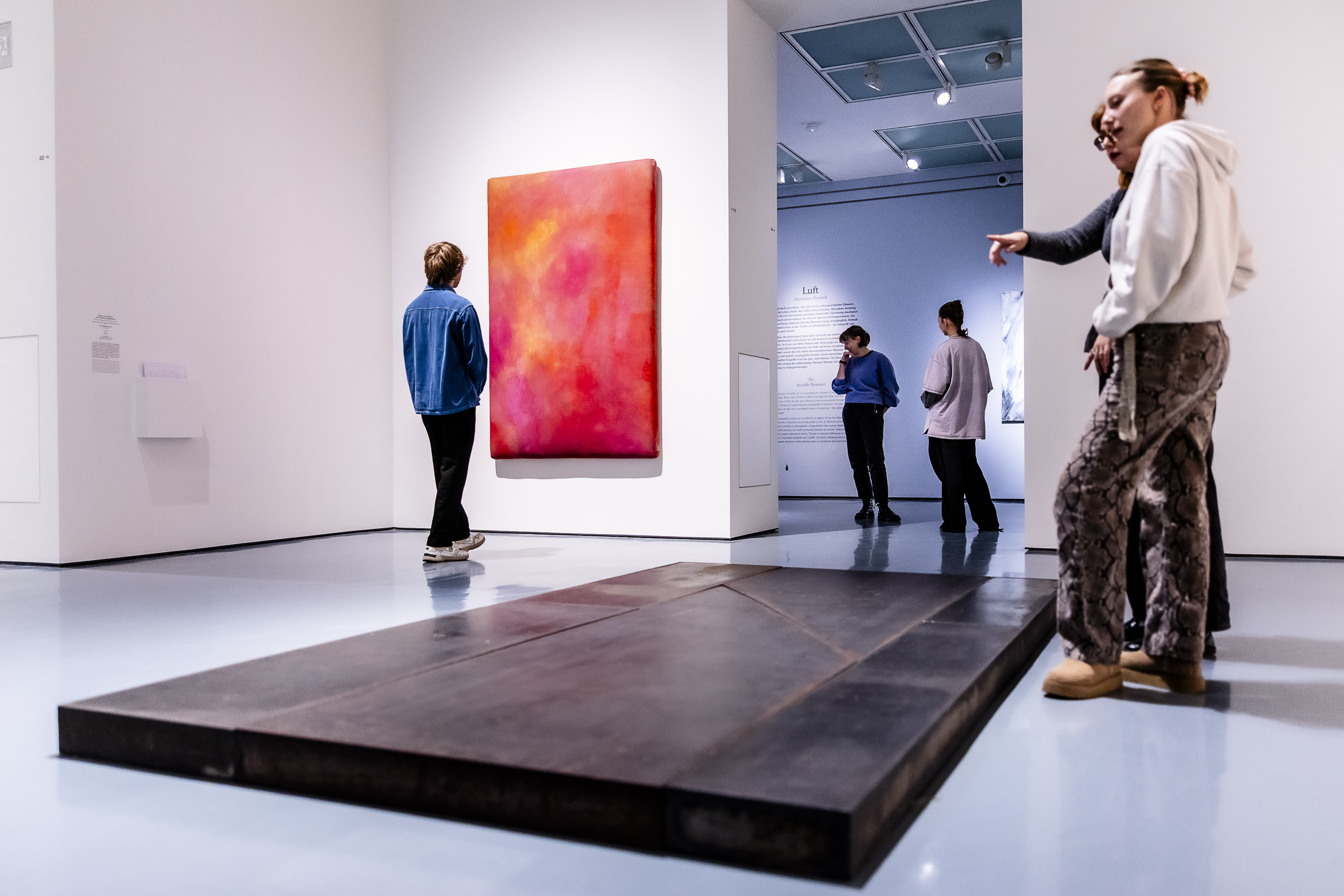
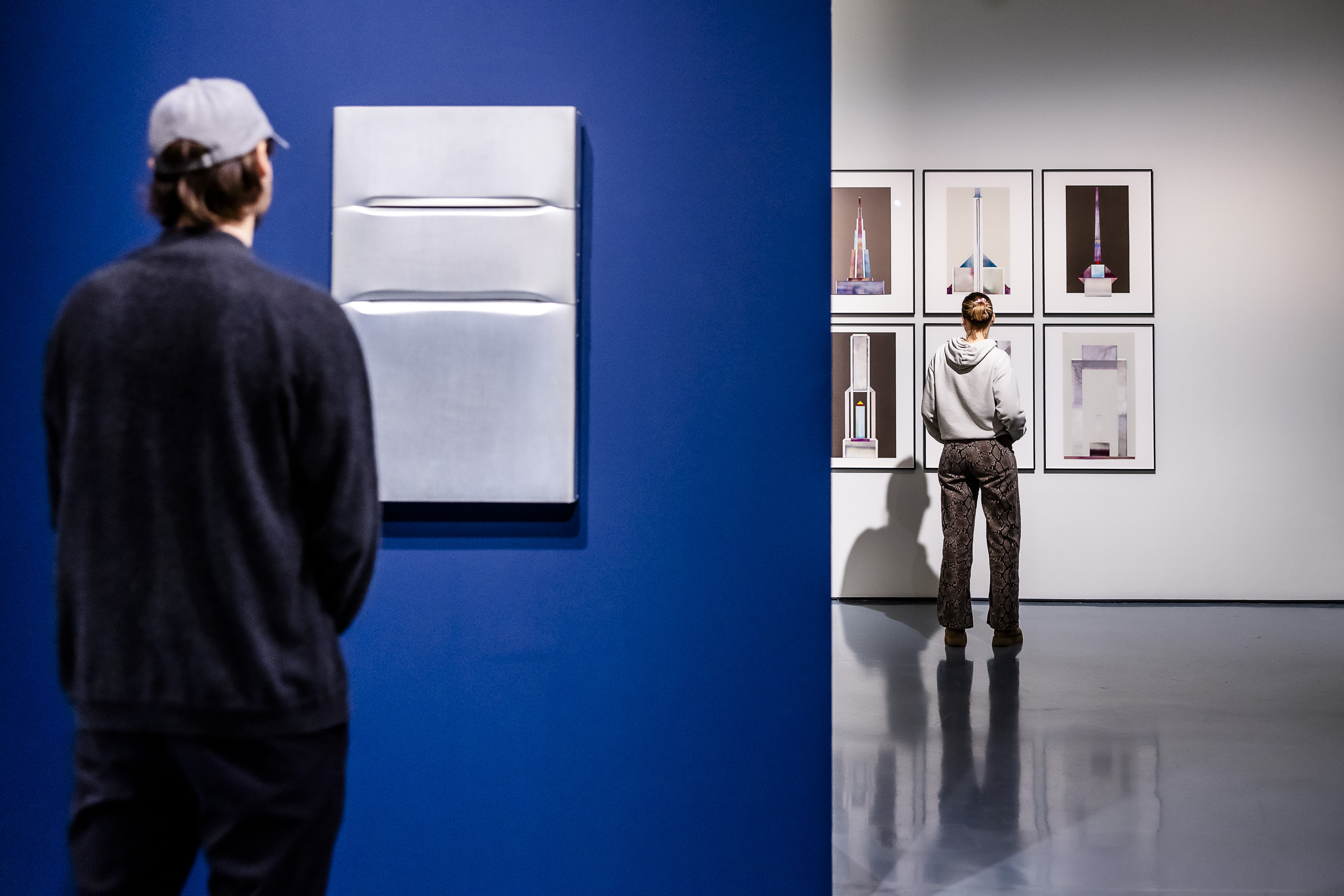
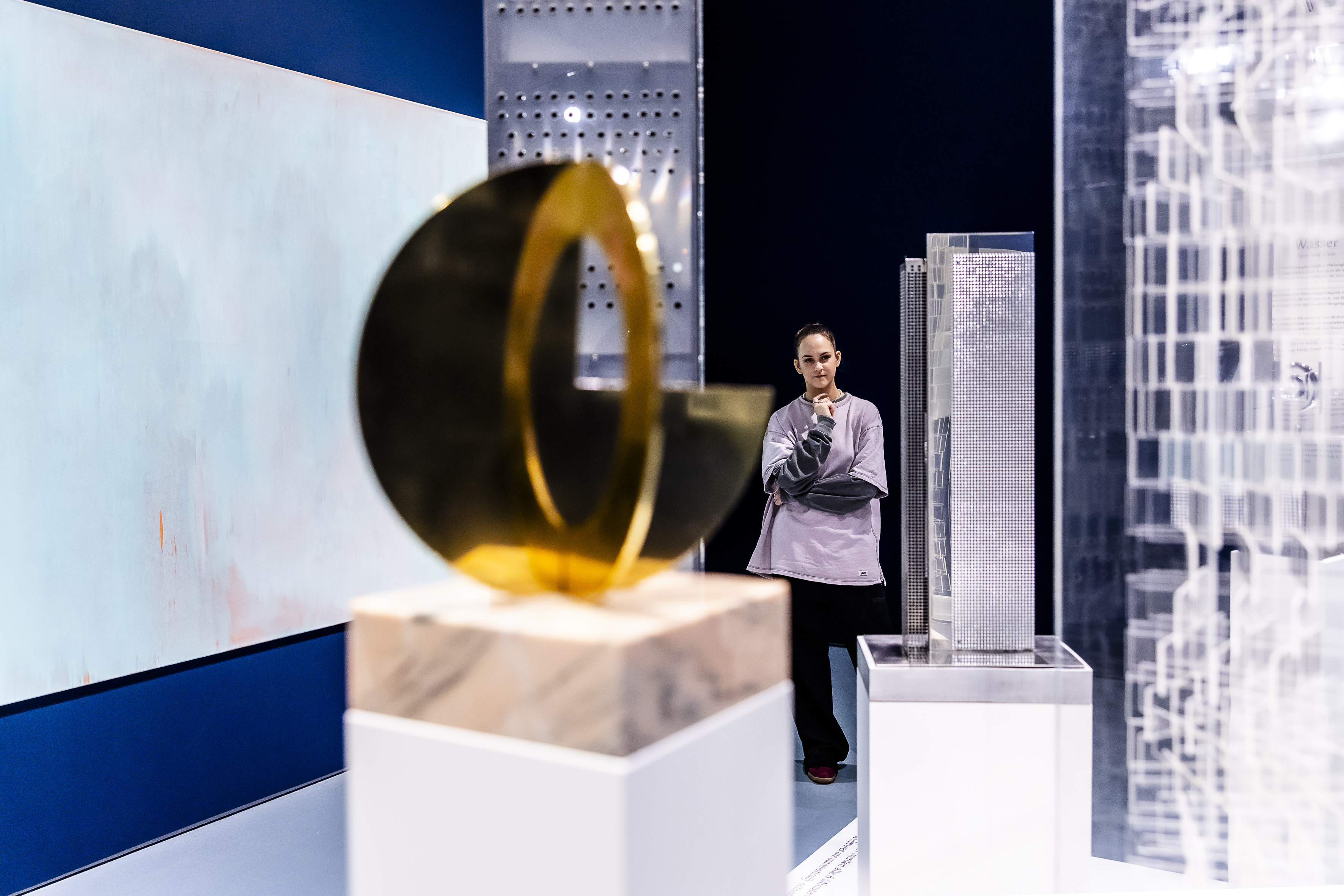
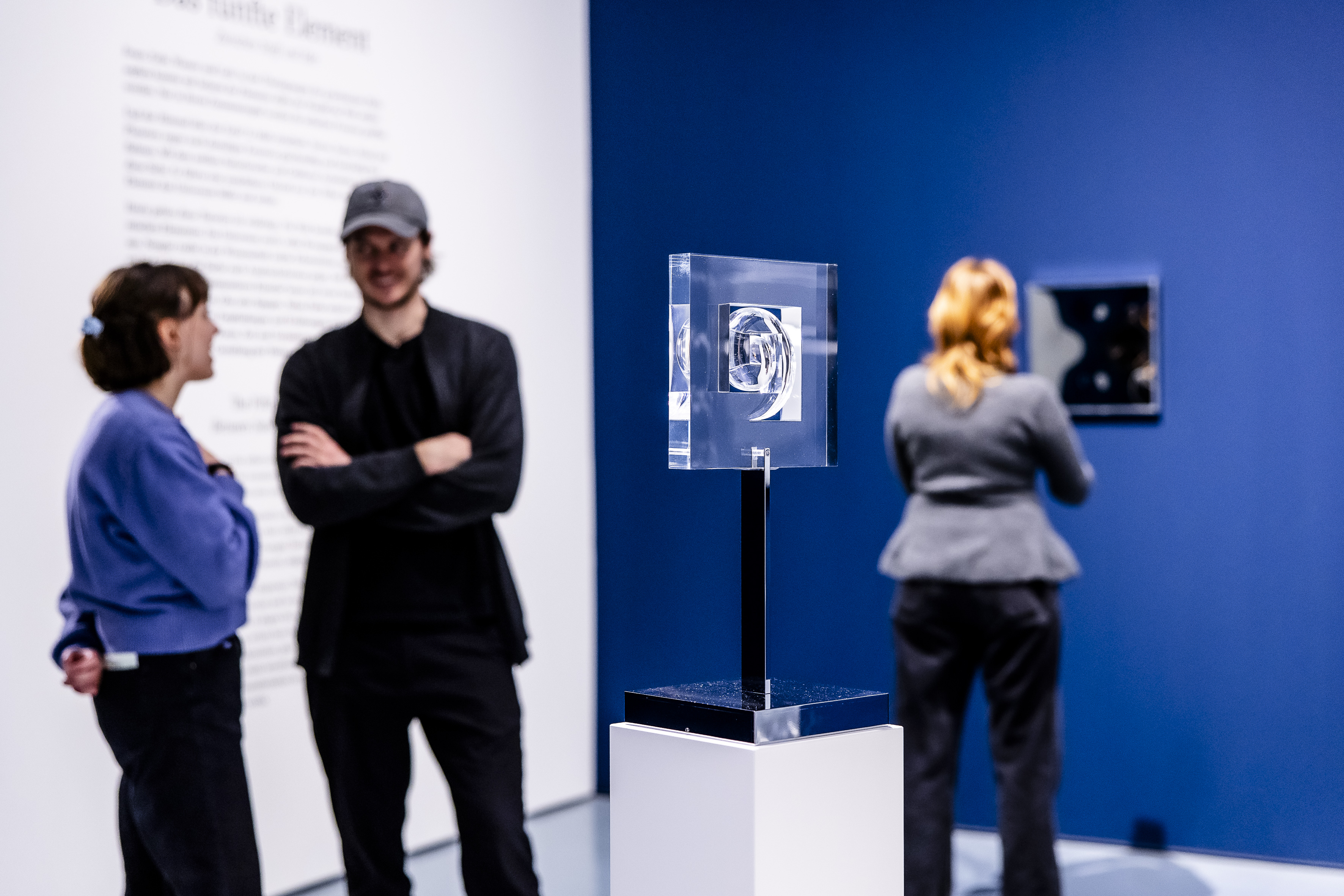
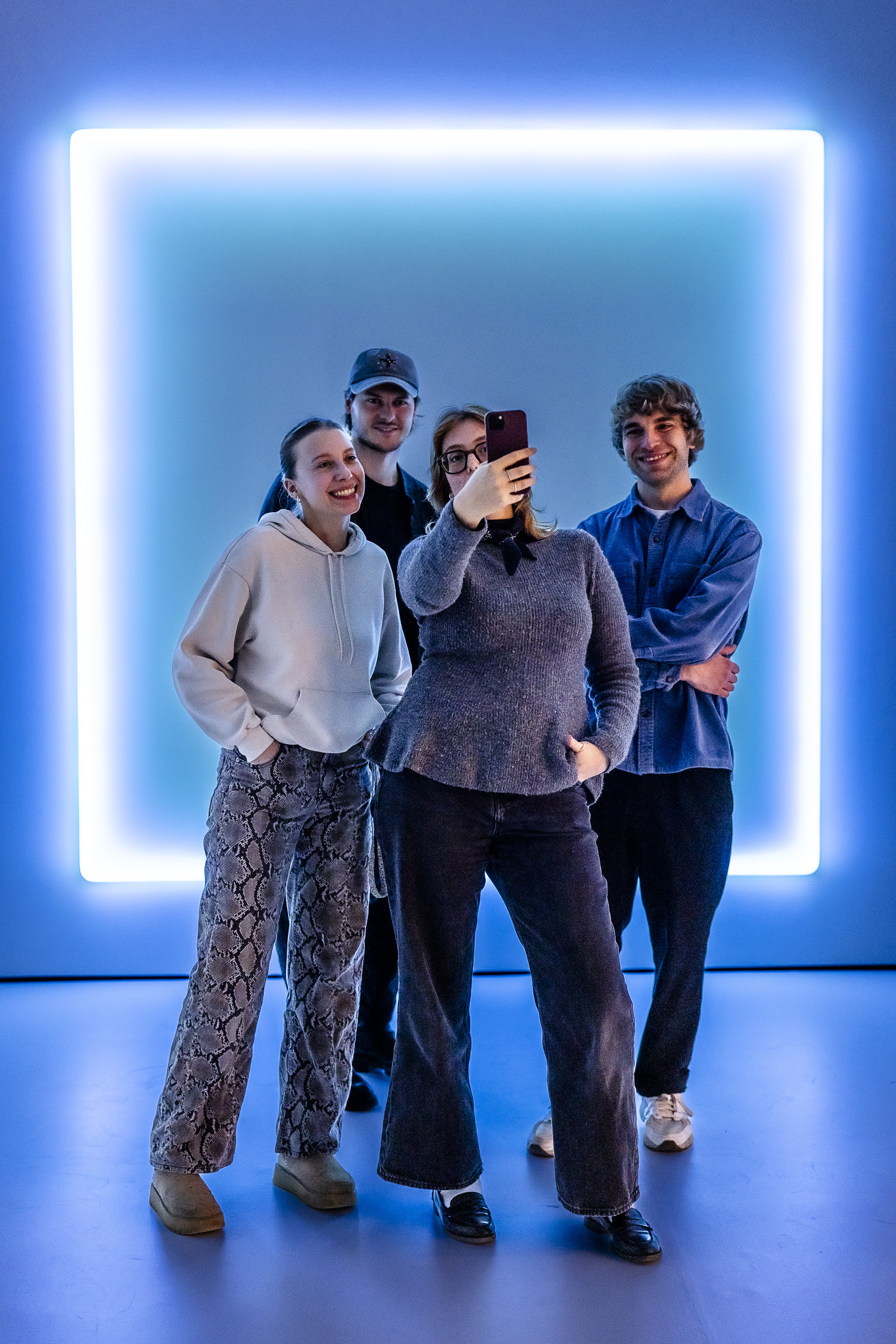

The Kemp collection
The Kemp Collection is one of Germany’s outstanding private collections of 20th and 21st century art. In addition to abstract painting, ZERO art, sculptures and works on paper, the collection built up by Willi Kemp and his wife Ingrid, who died prematurely, comprises a core of high-calibre works of Informel and colour field painting. In 2011, around 3,000 objects were donated to the Kunstpalast, and Kemp established the Kemp Collection Foundation for the research and dissemination of the holdings. His donation represents a significant enrichment and is presented in regular exhibitions.Learn more
Exhibition catalogue
Edited by Therés Lubinetzki | 120 pages | 23.5 x 28.5 cm | German | Hardcover |

Picture Credits
Picture Credits
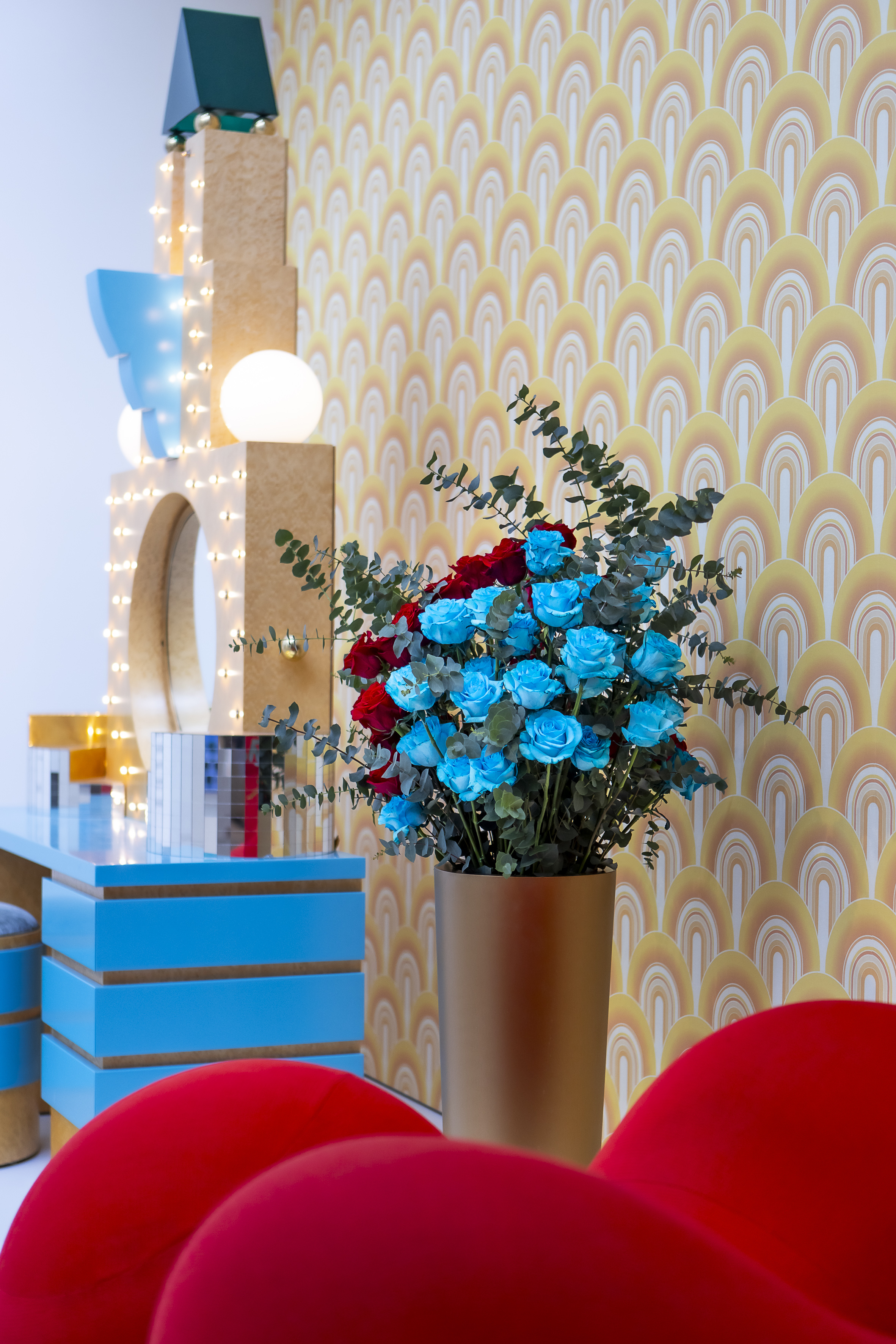
Kunstpalast in Bloom
17 Apr – 26 Apr 2026
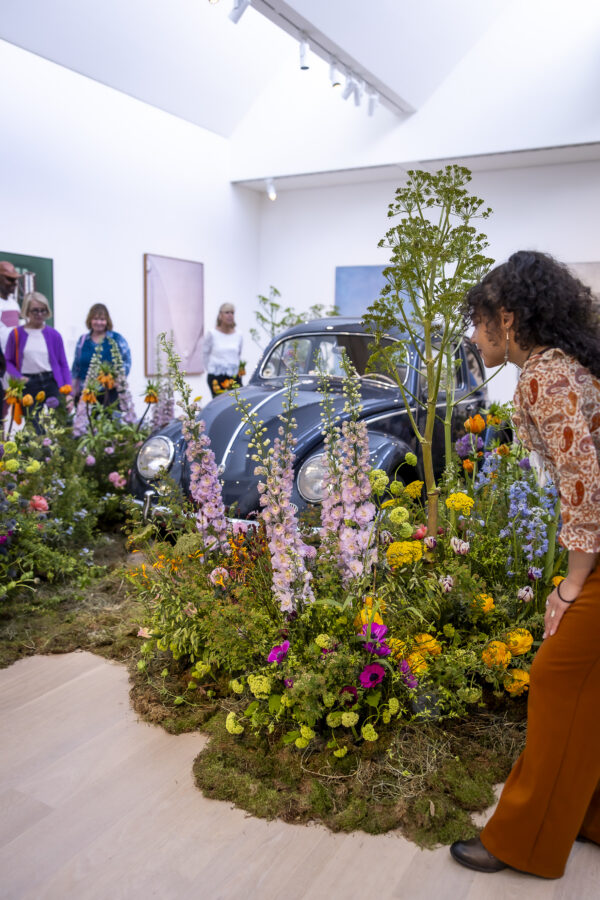
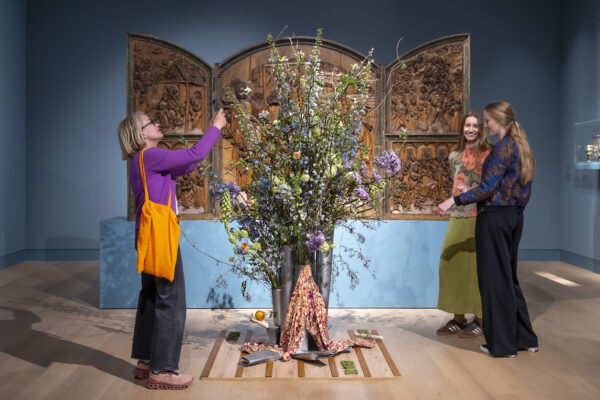
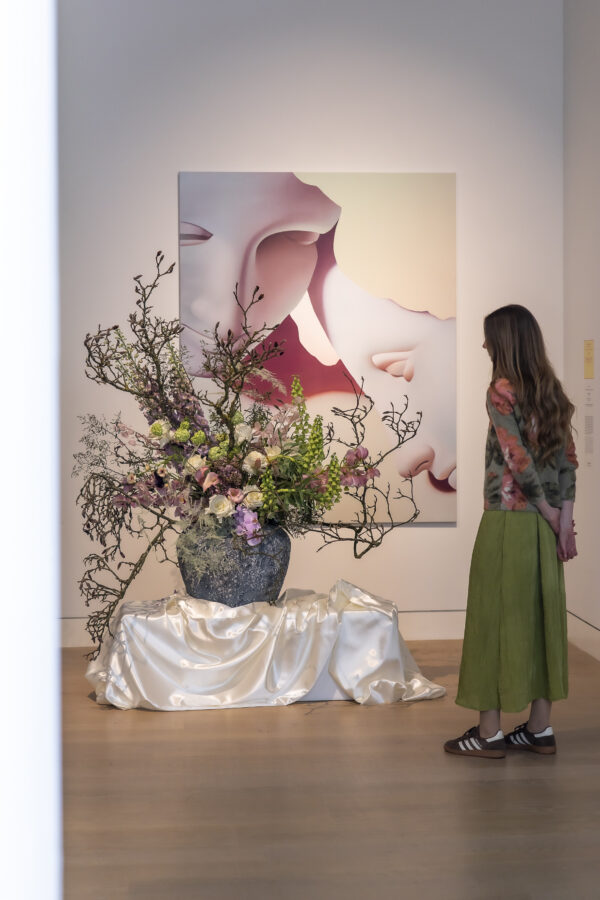
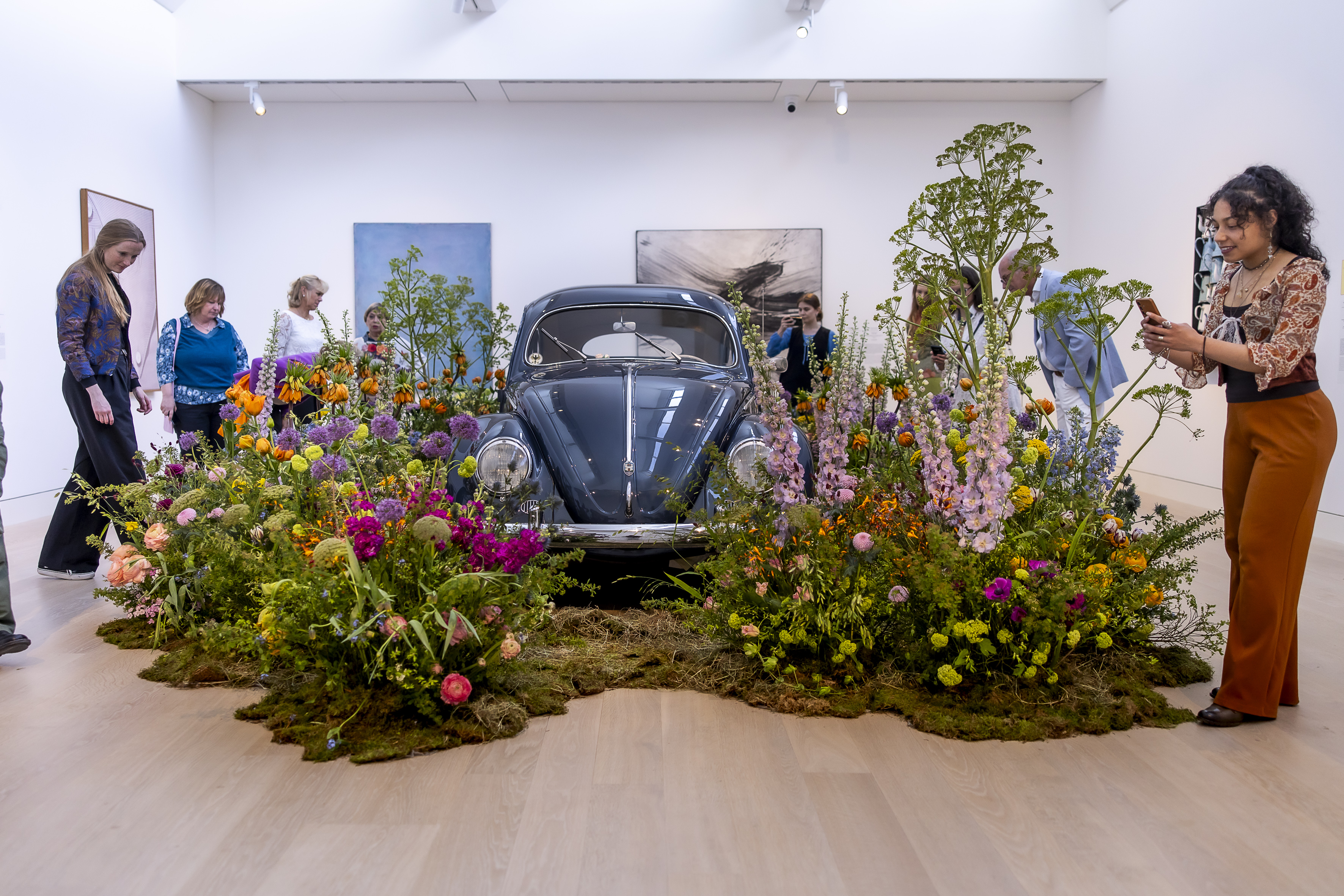
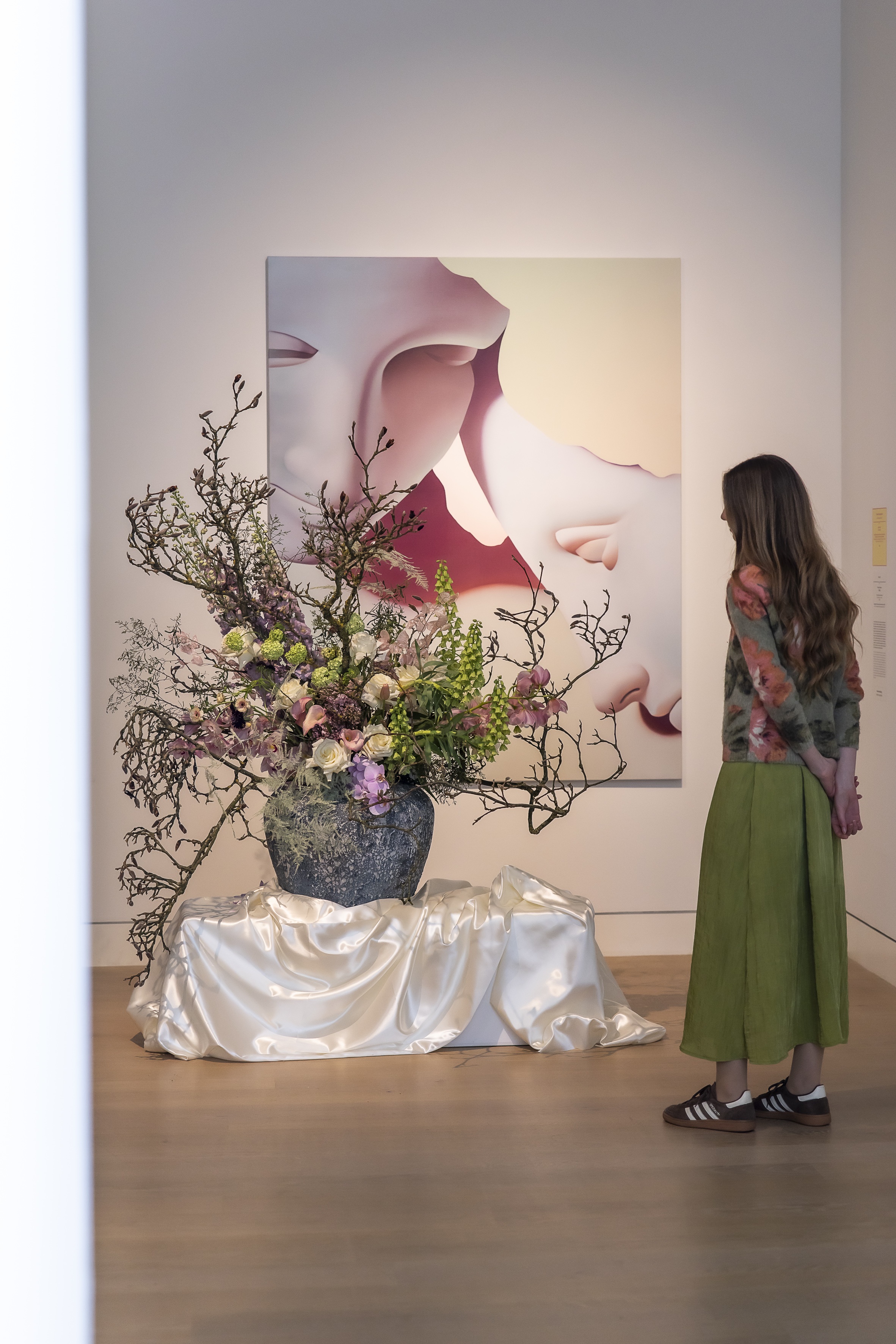
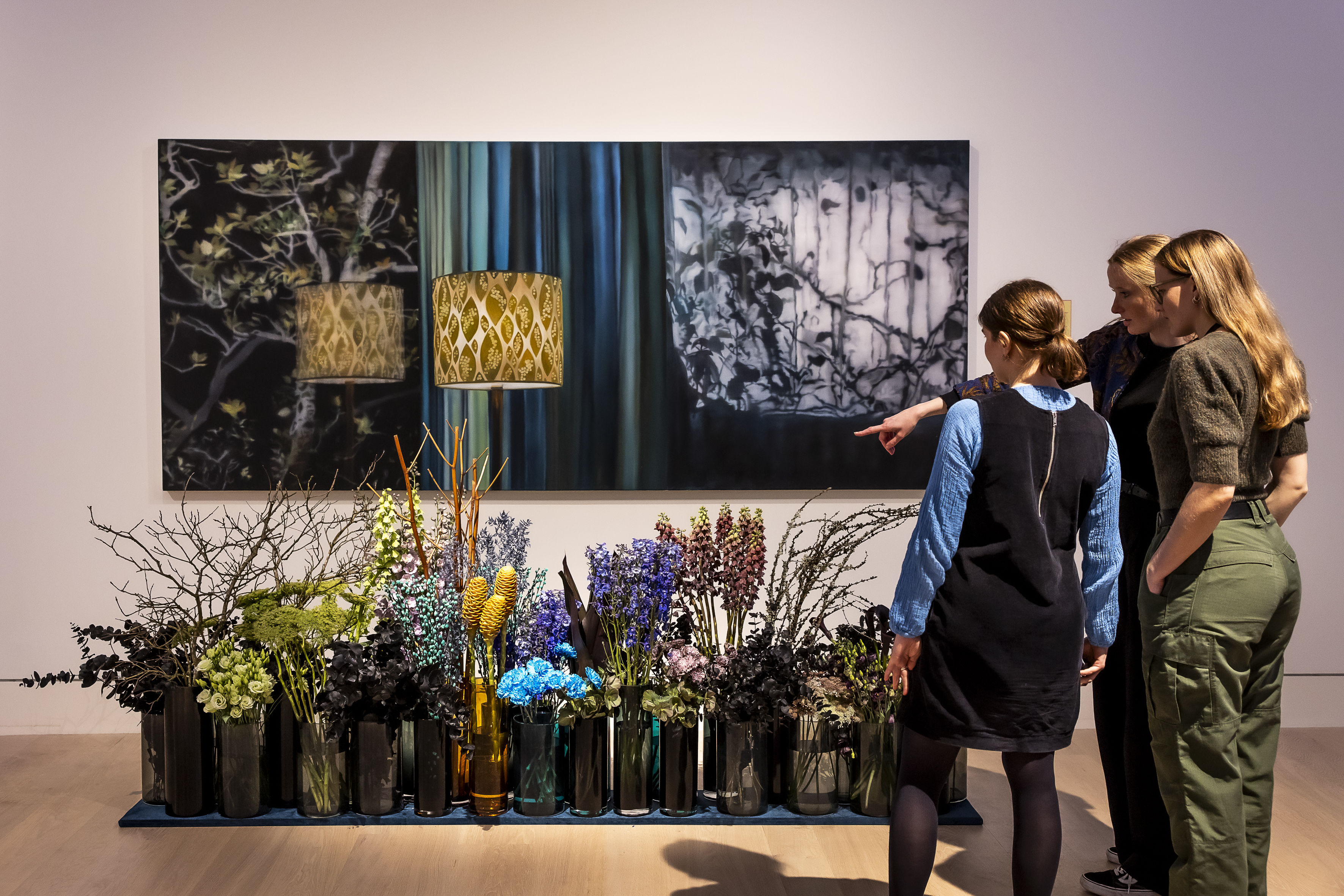
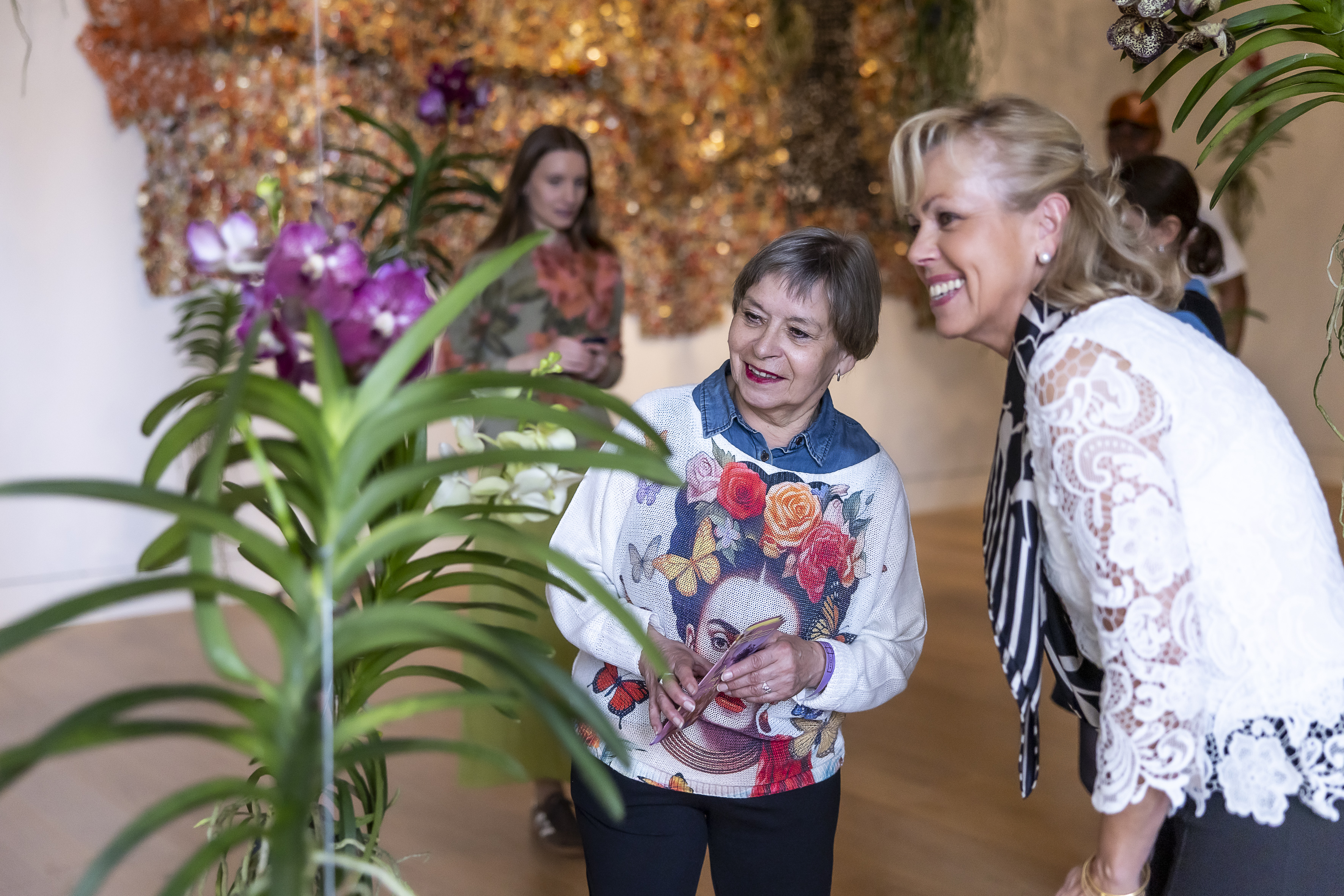
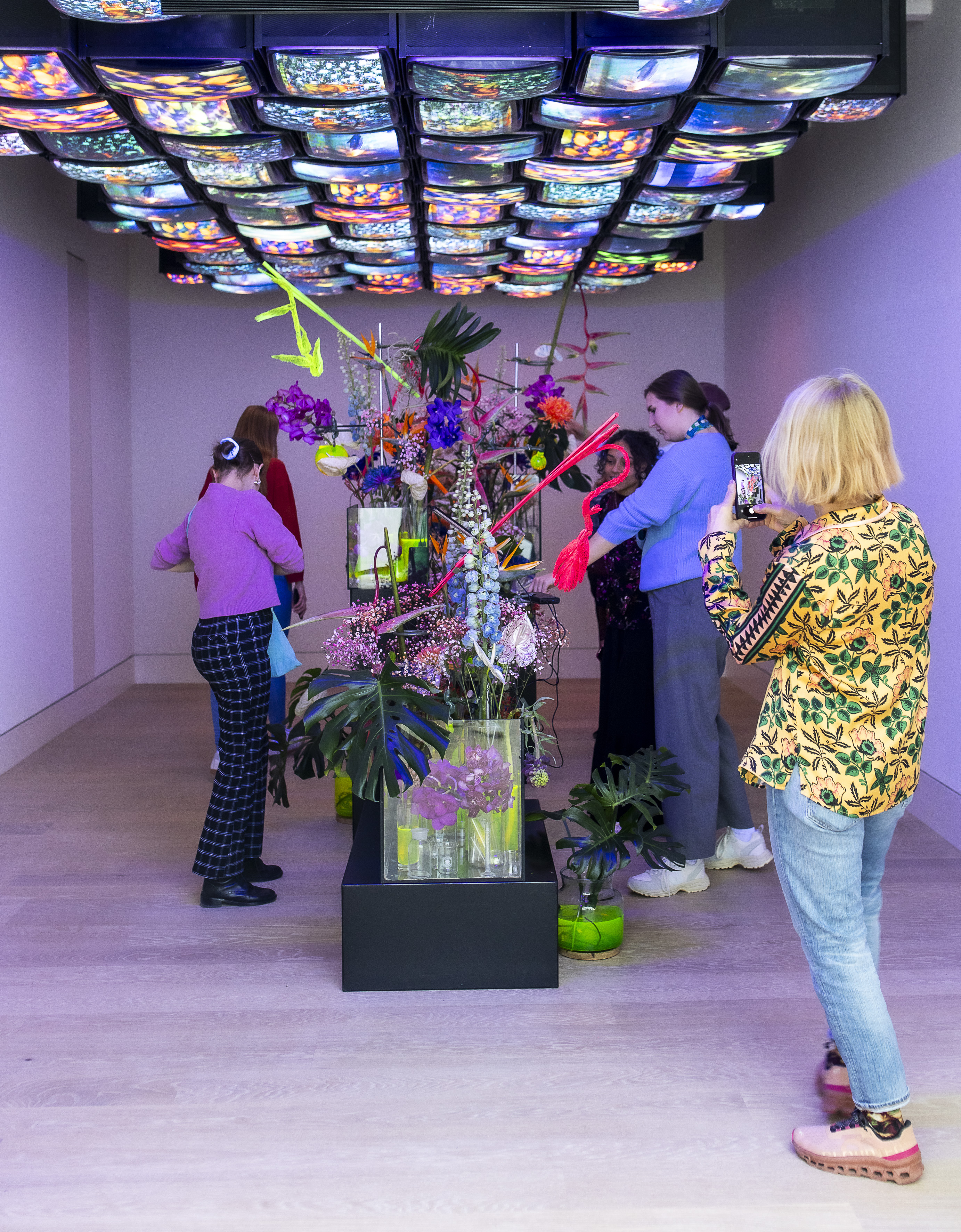
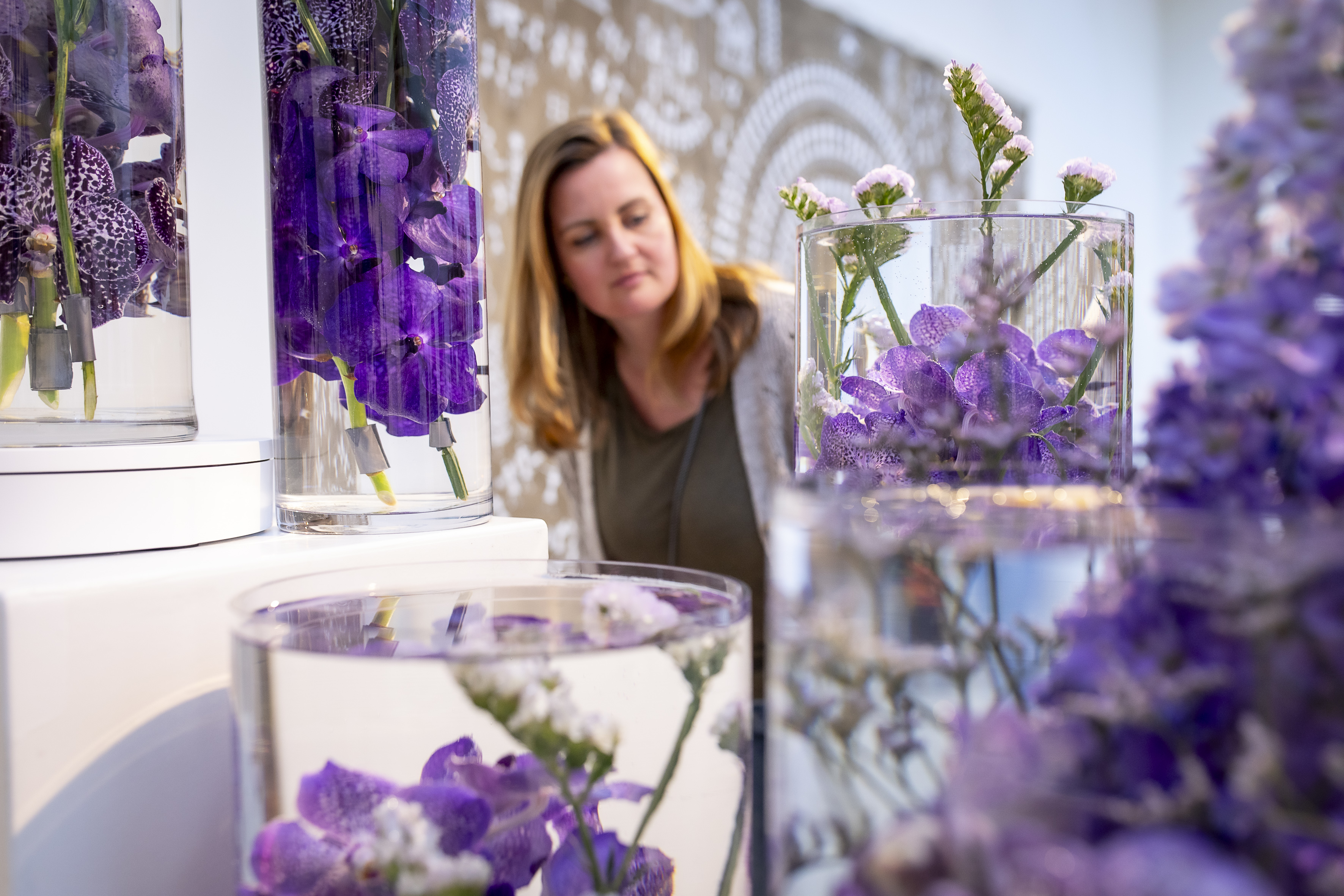
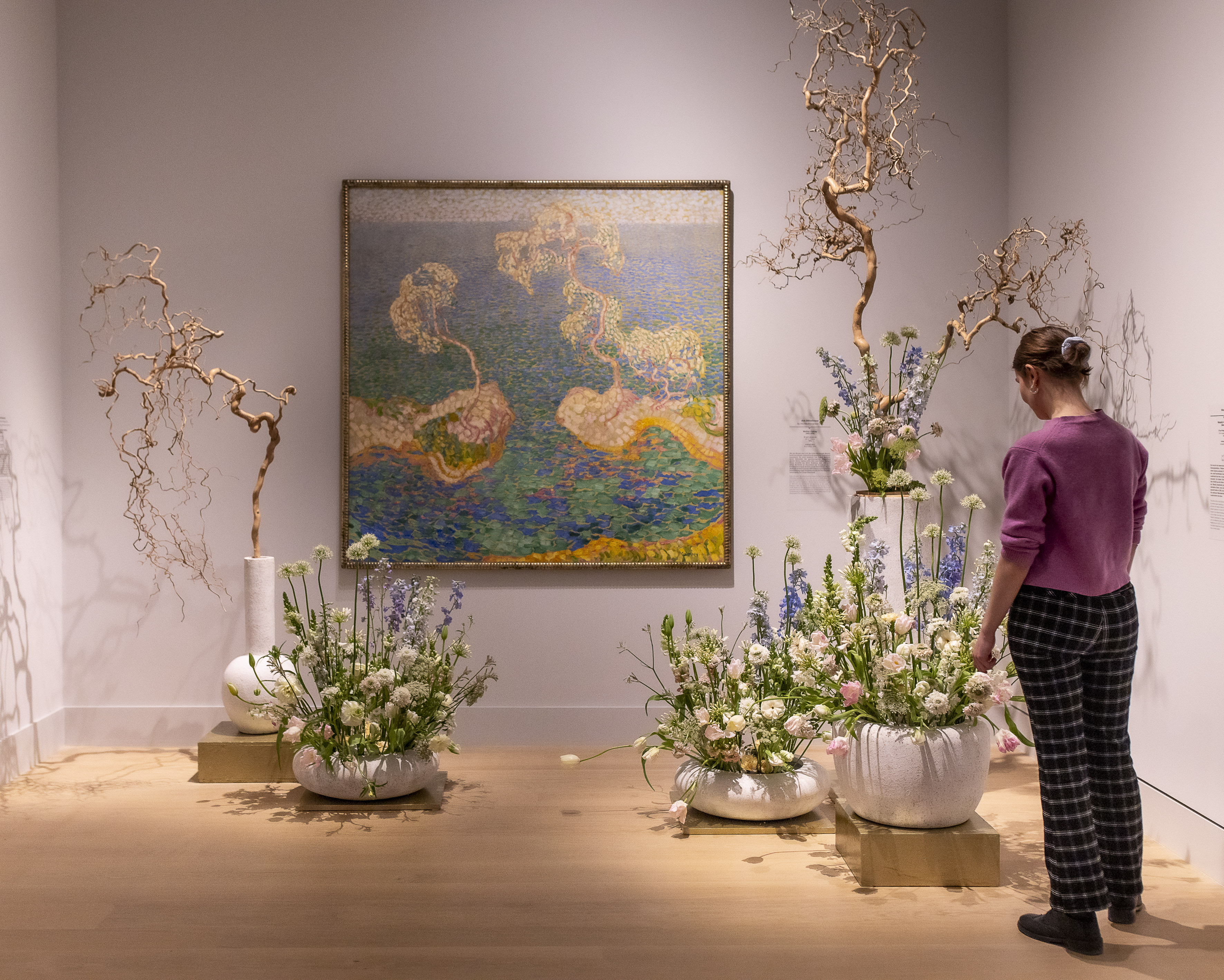
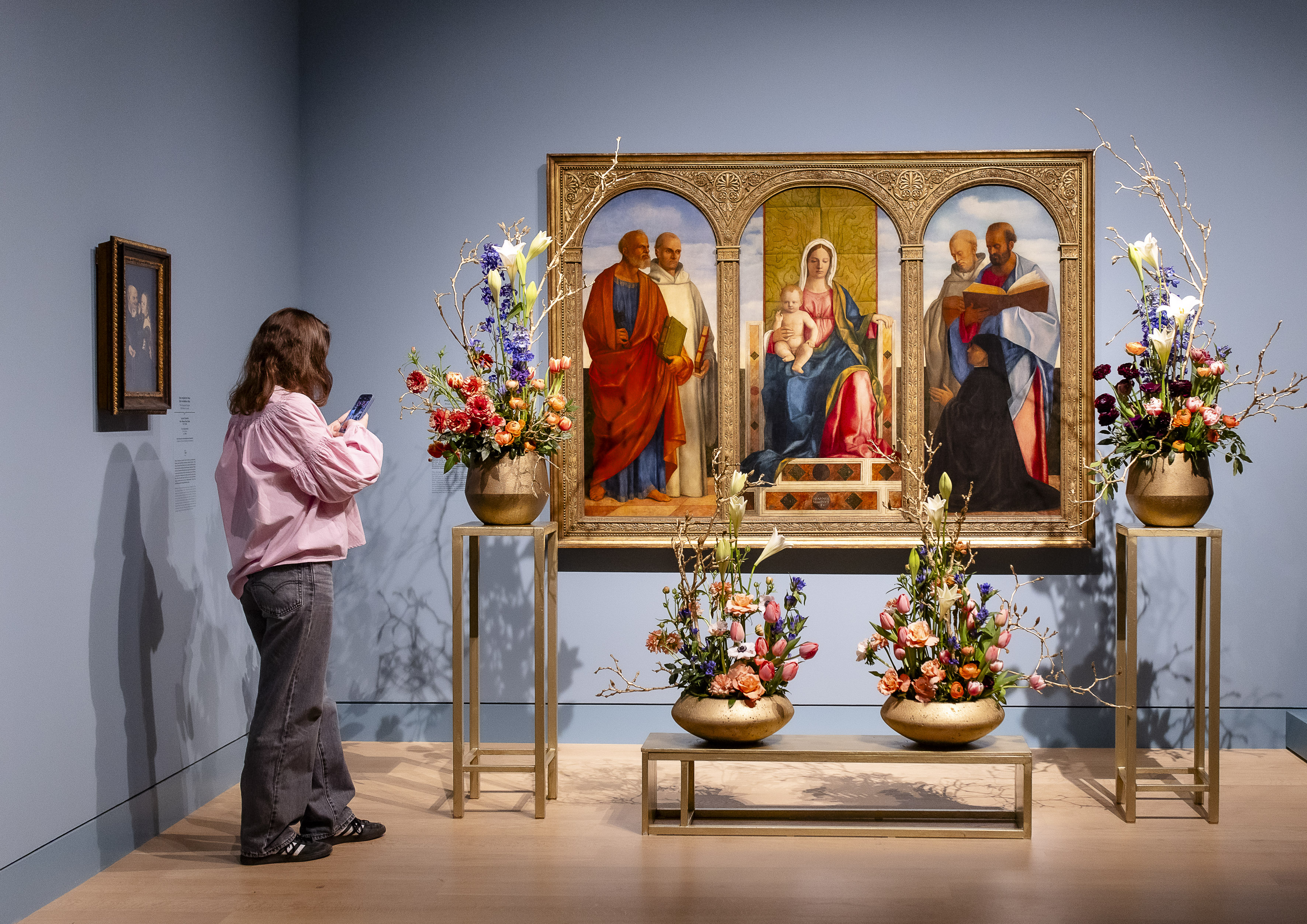
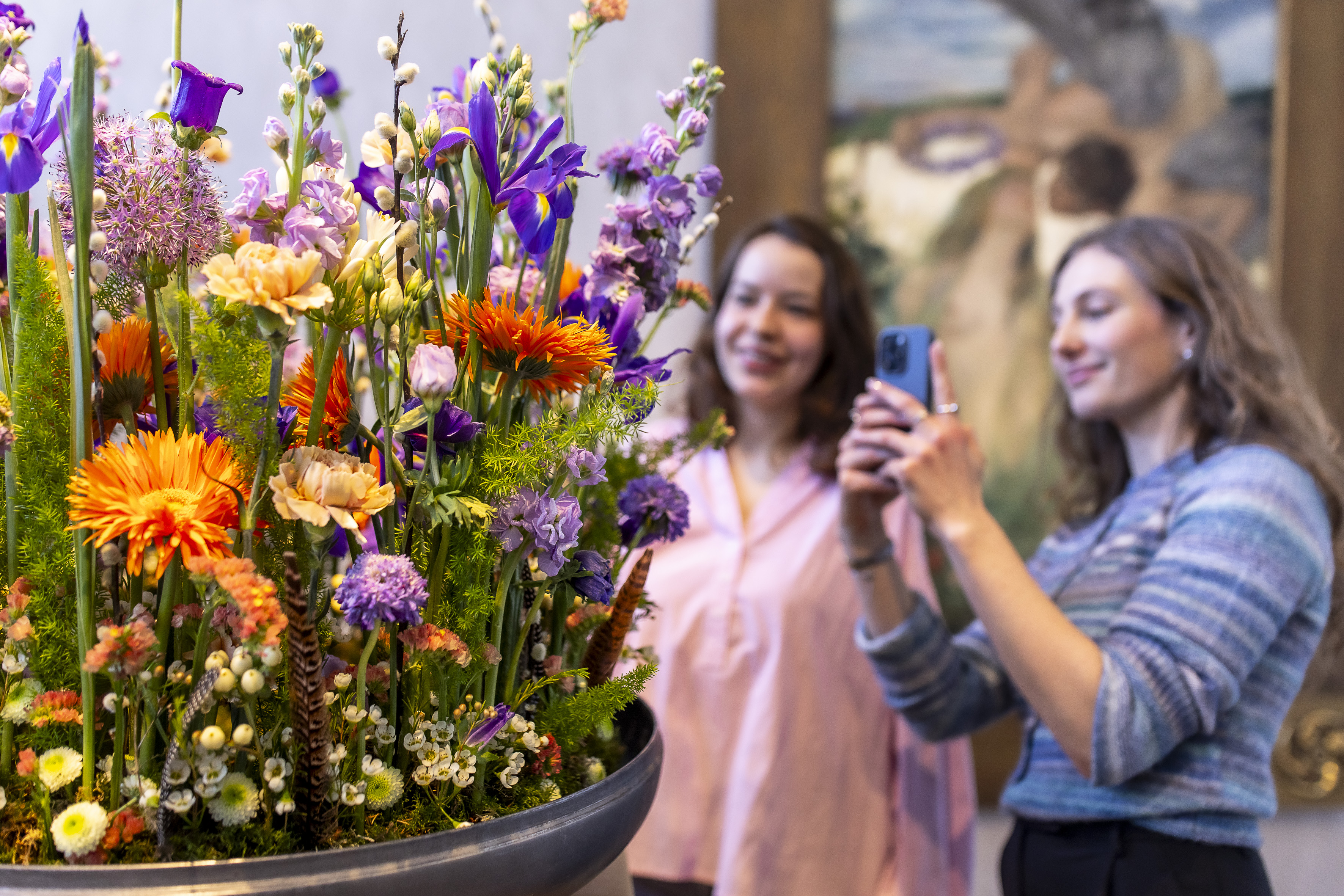
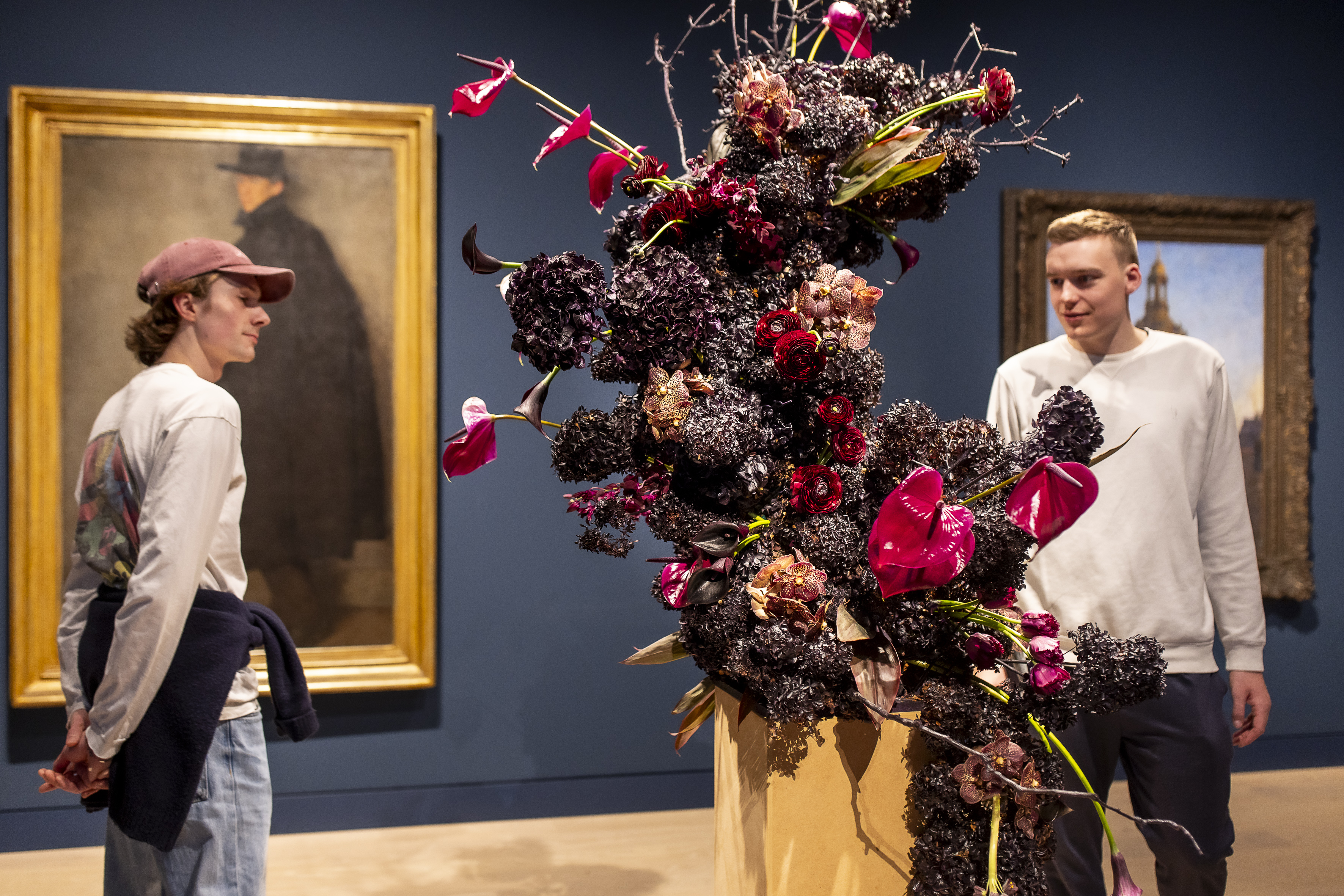
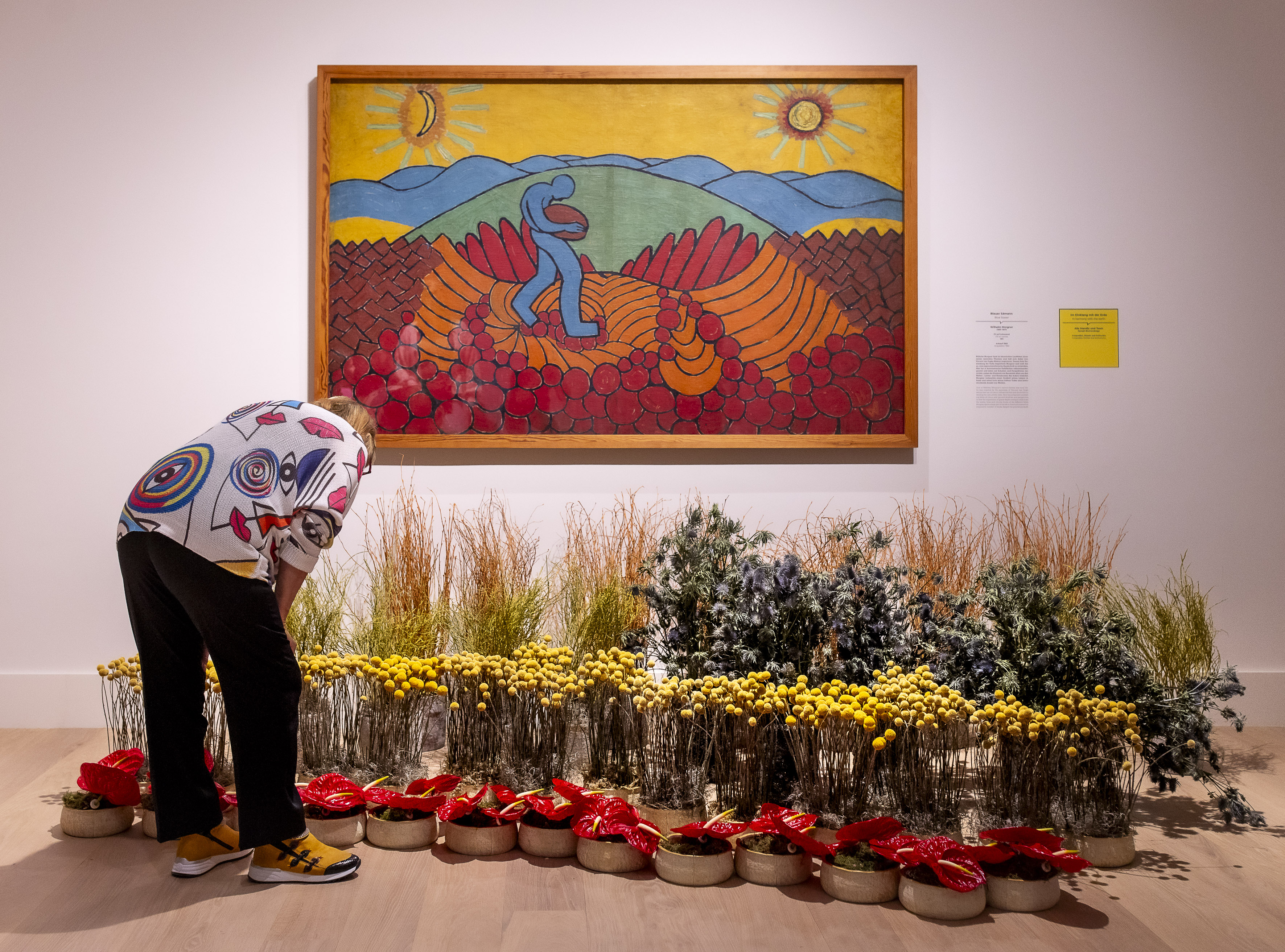
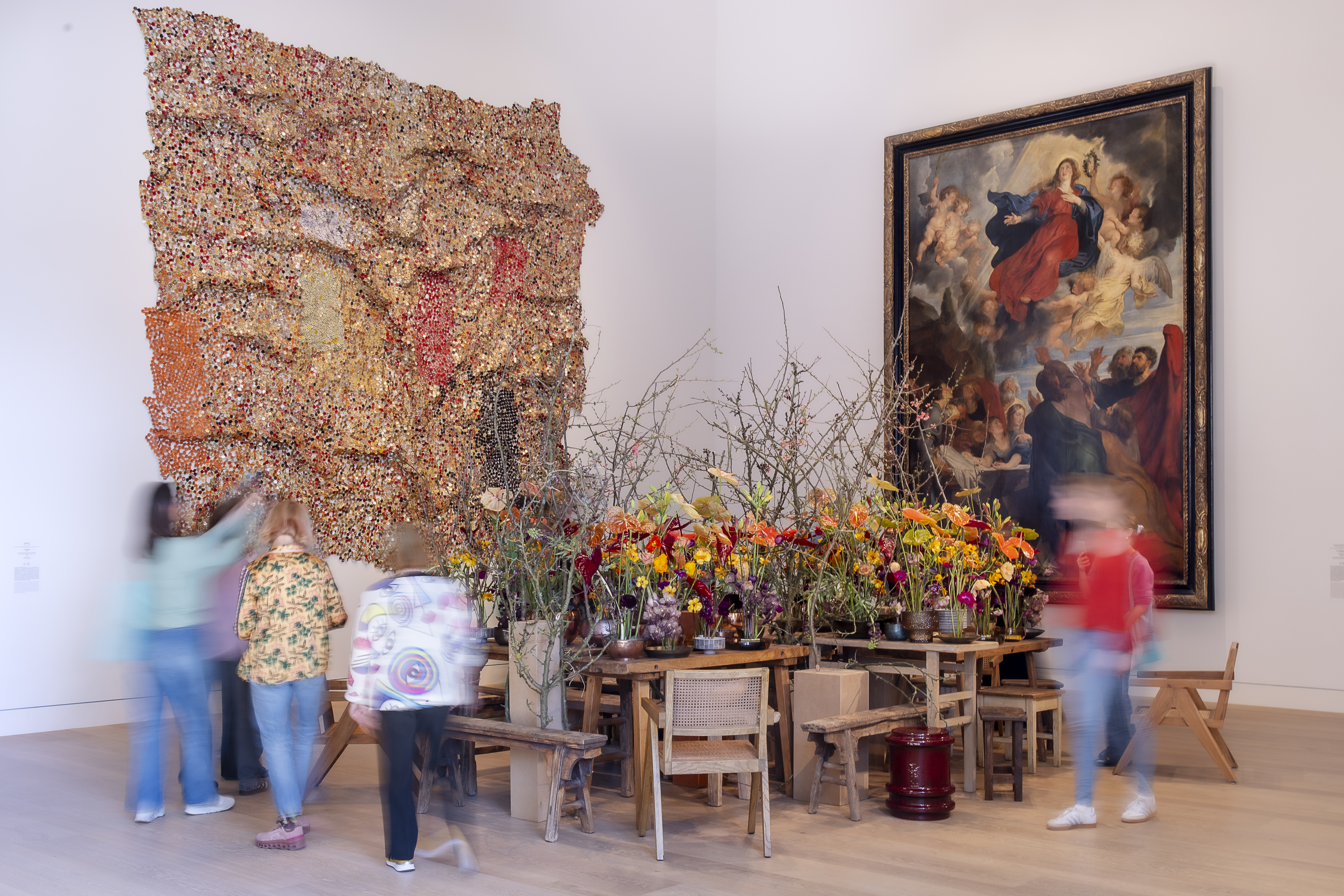
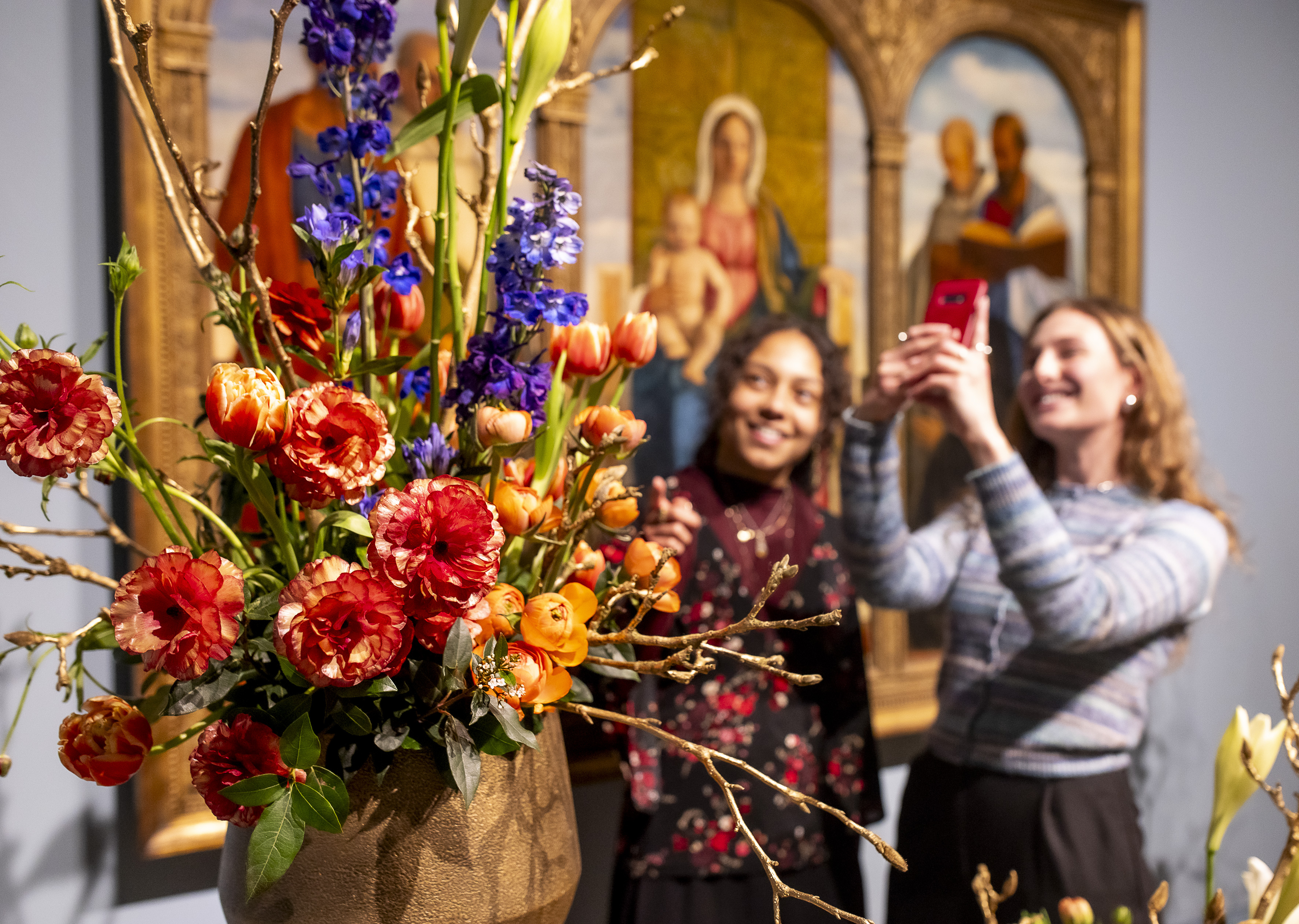
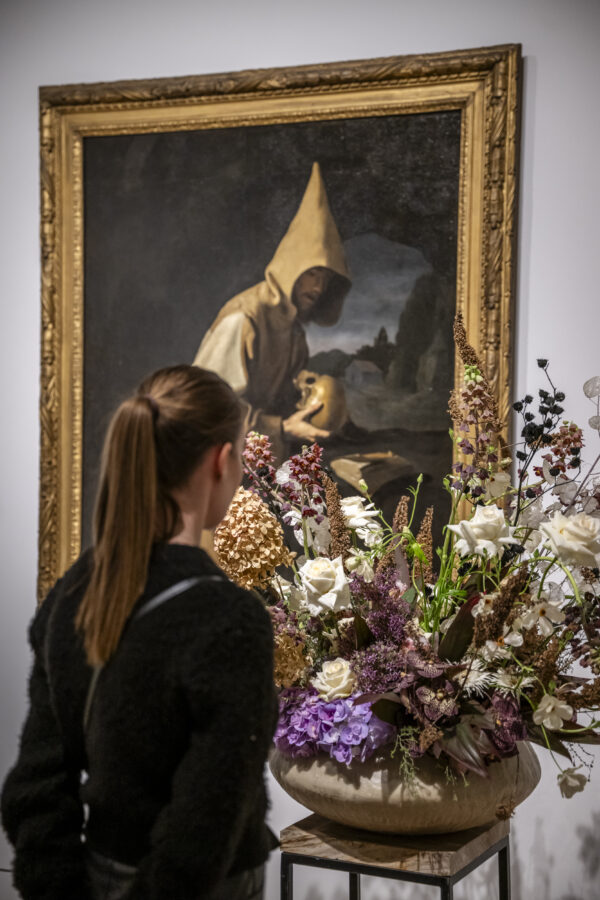
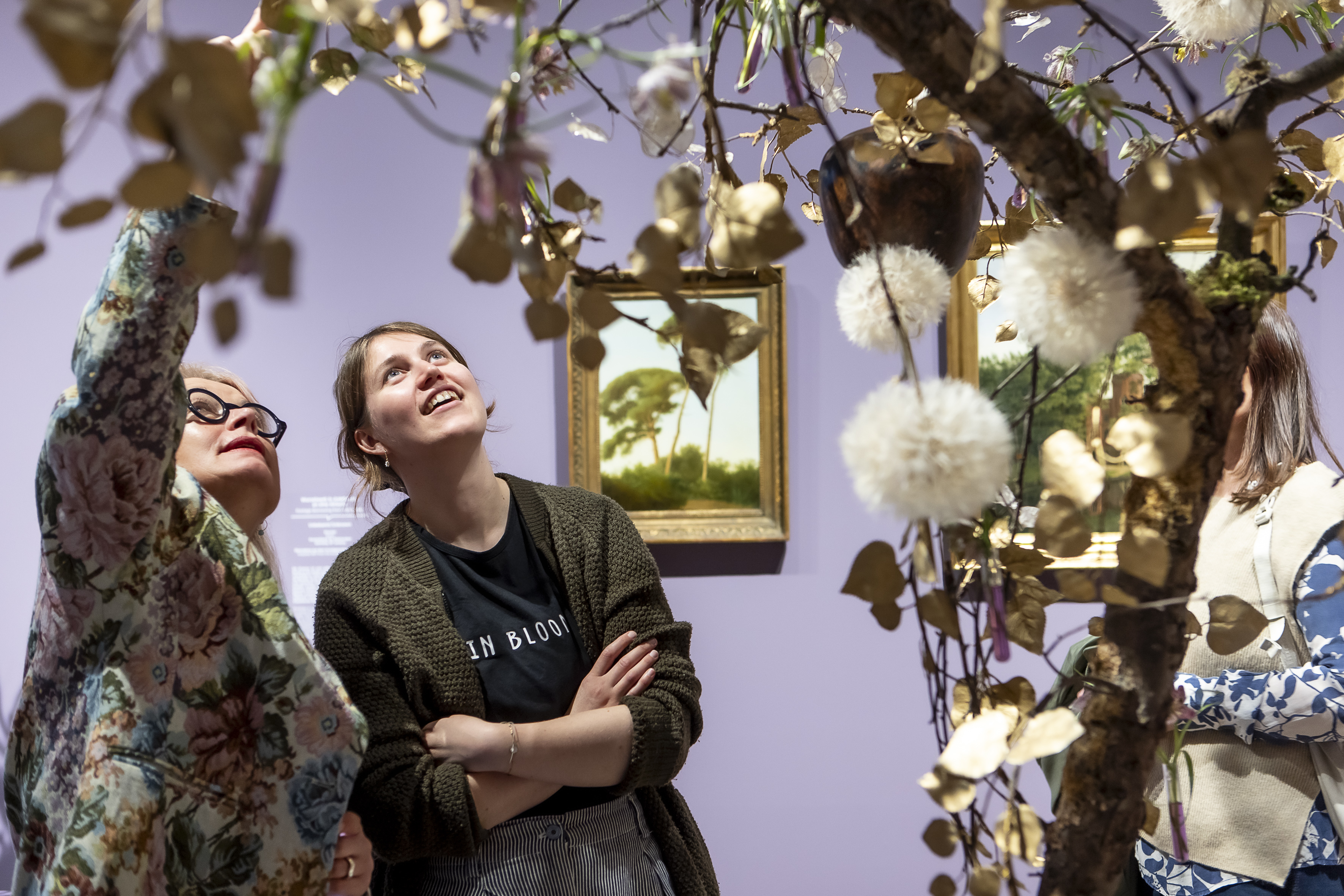
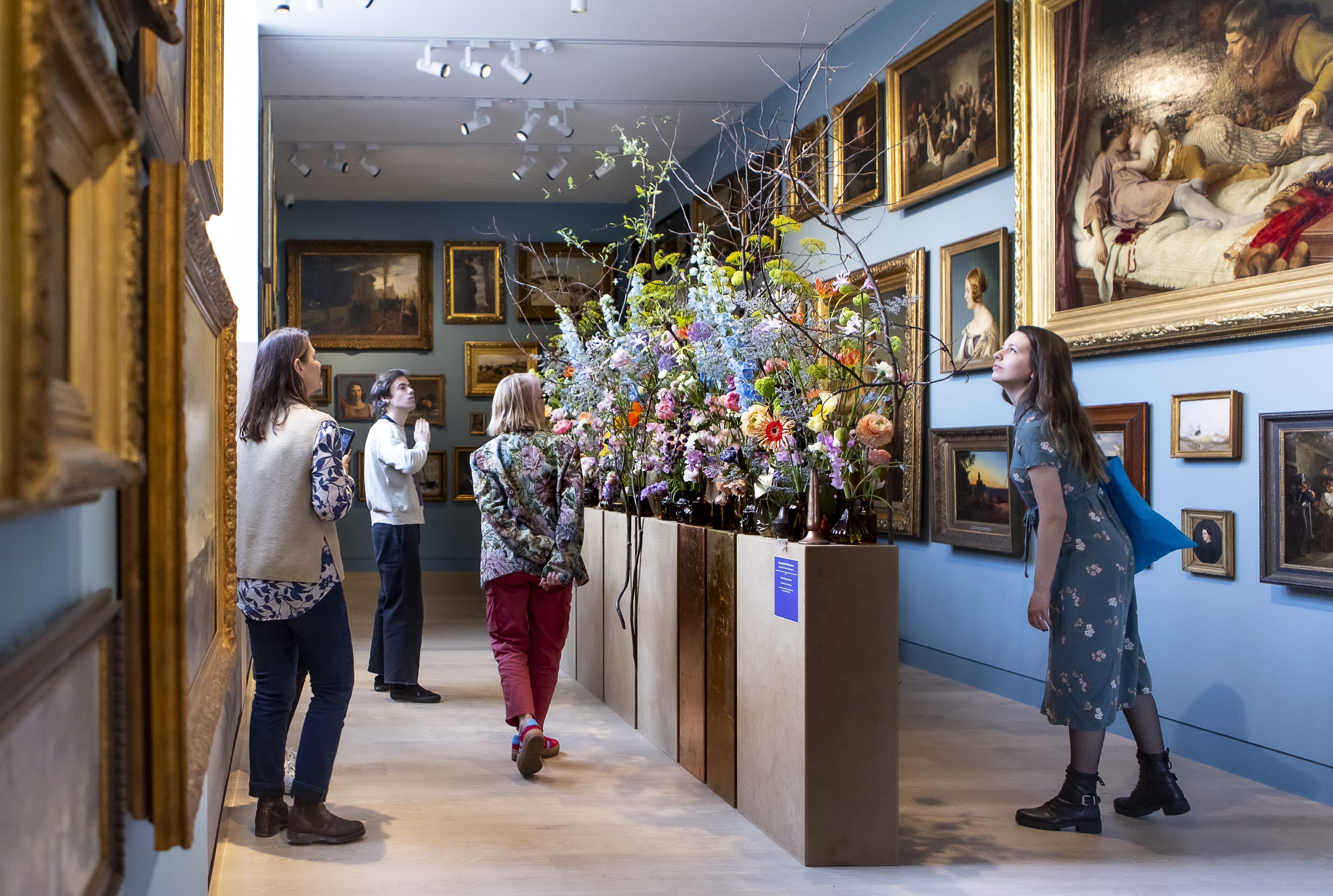
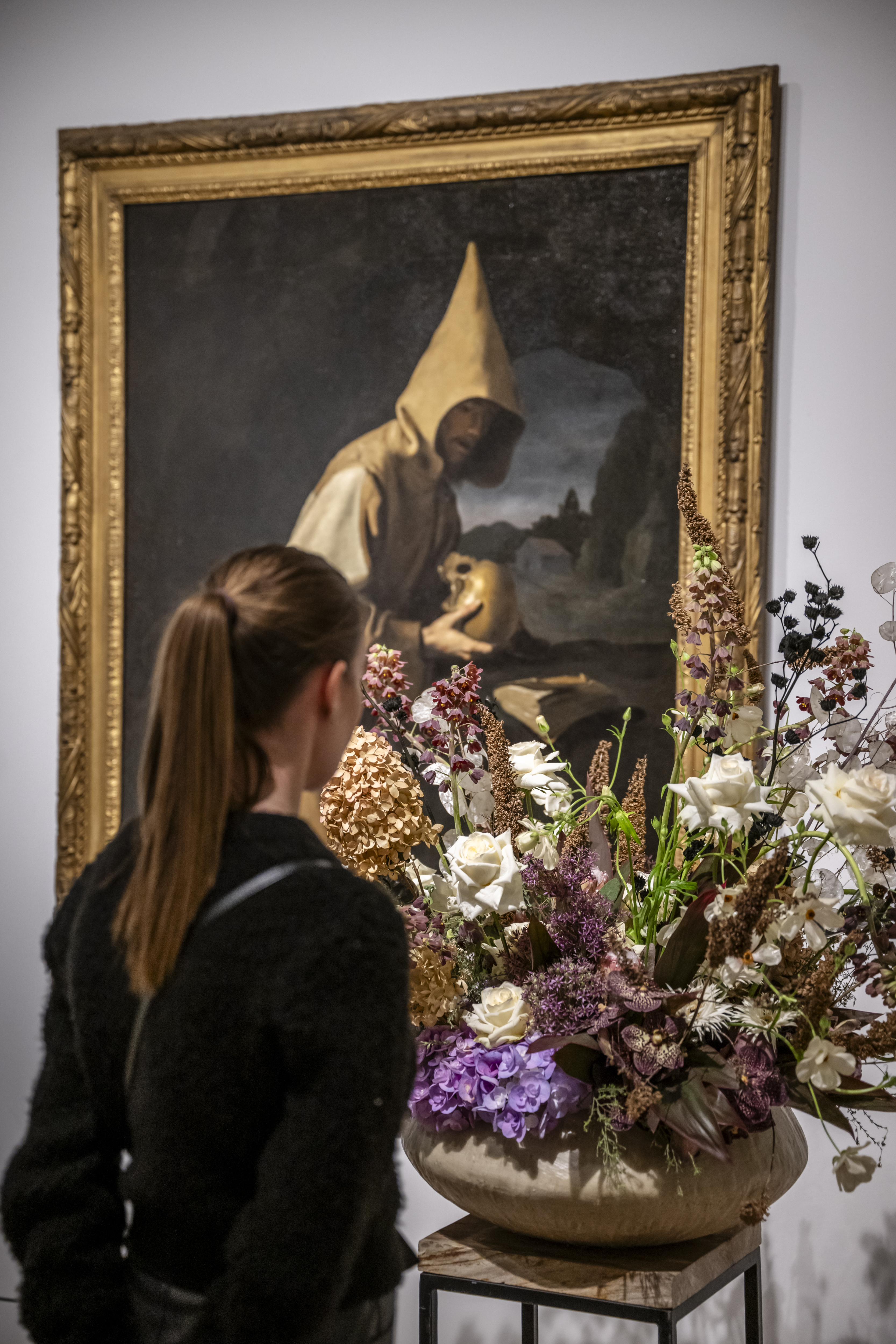
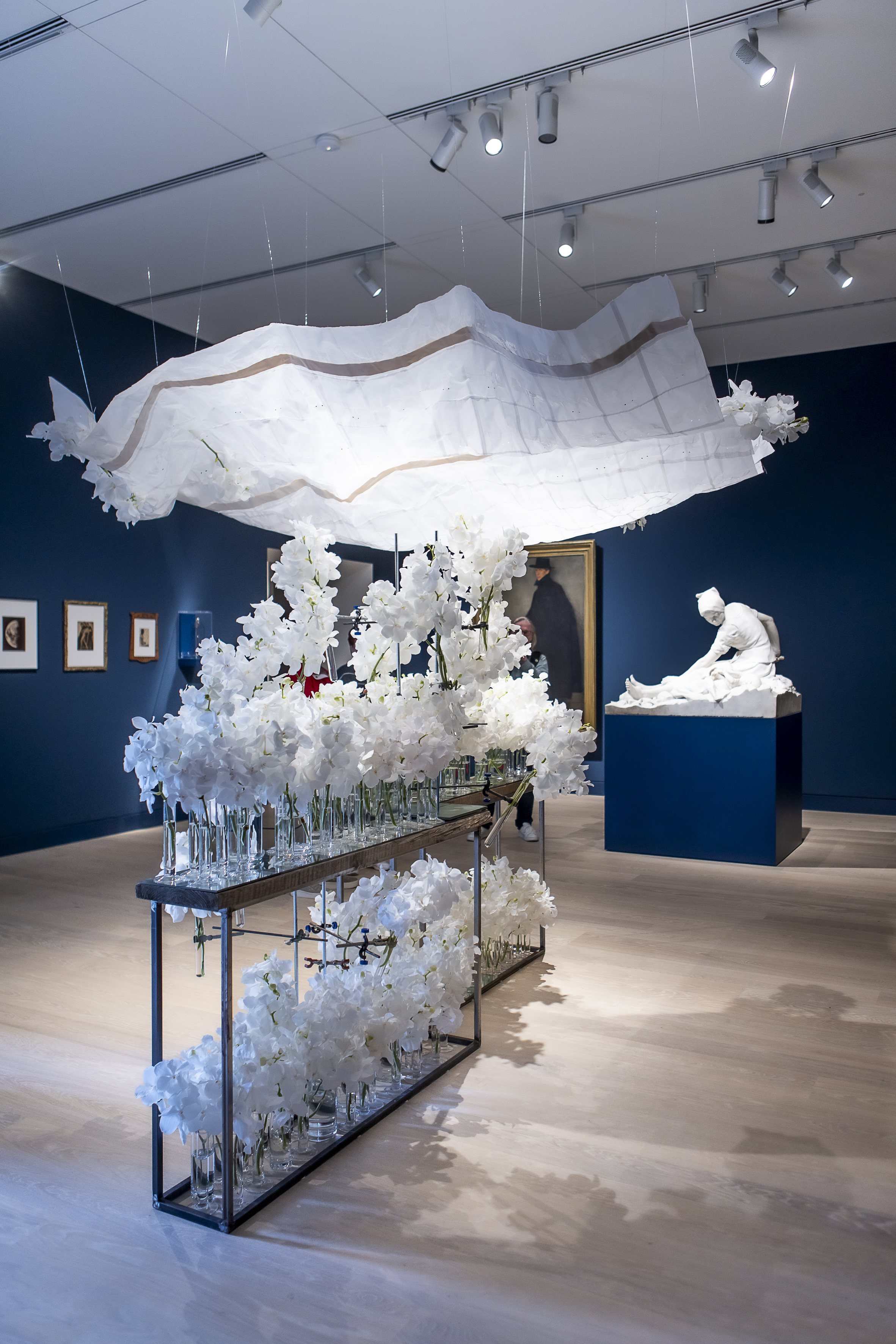
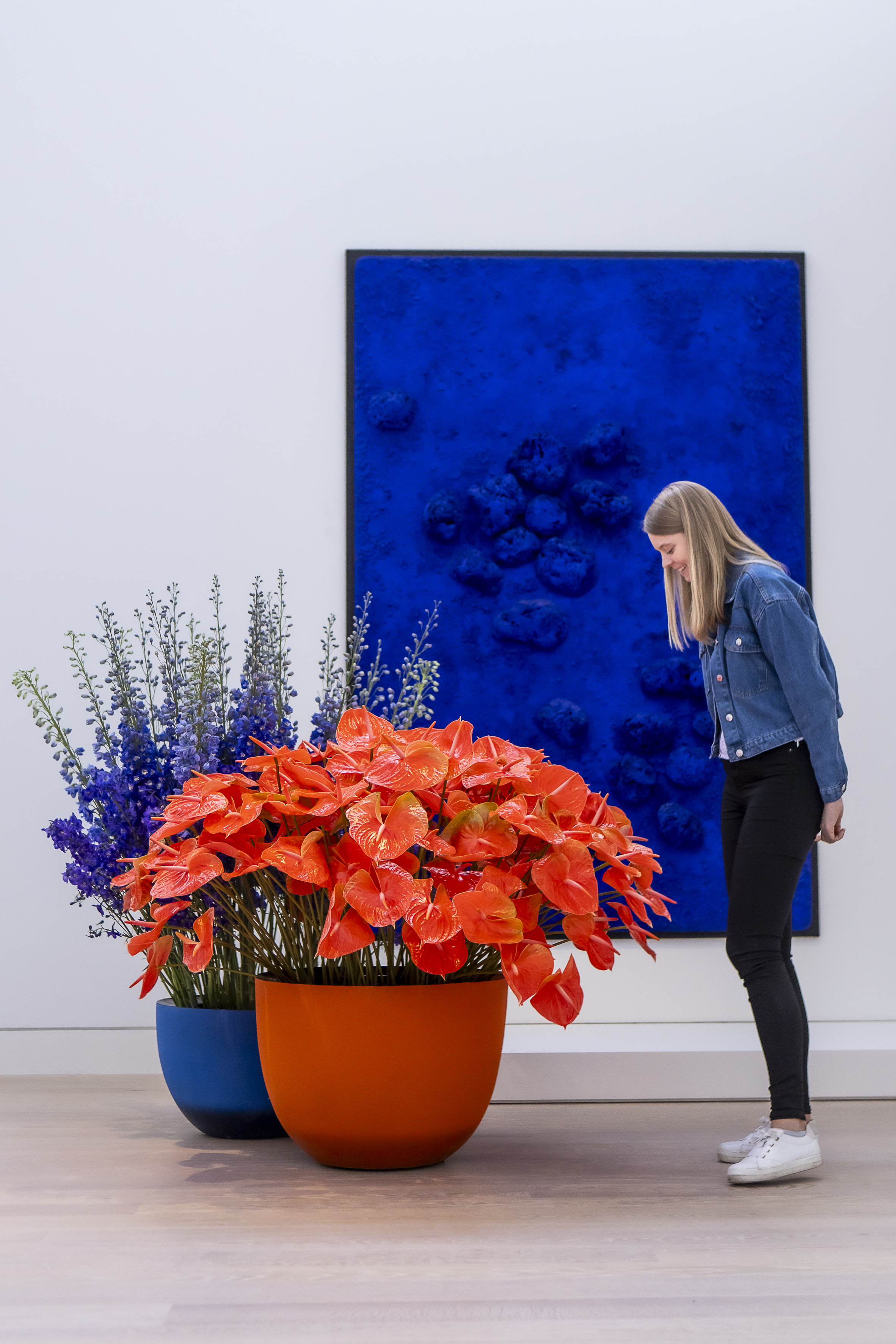
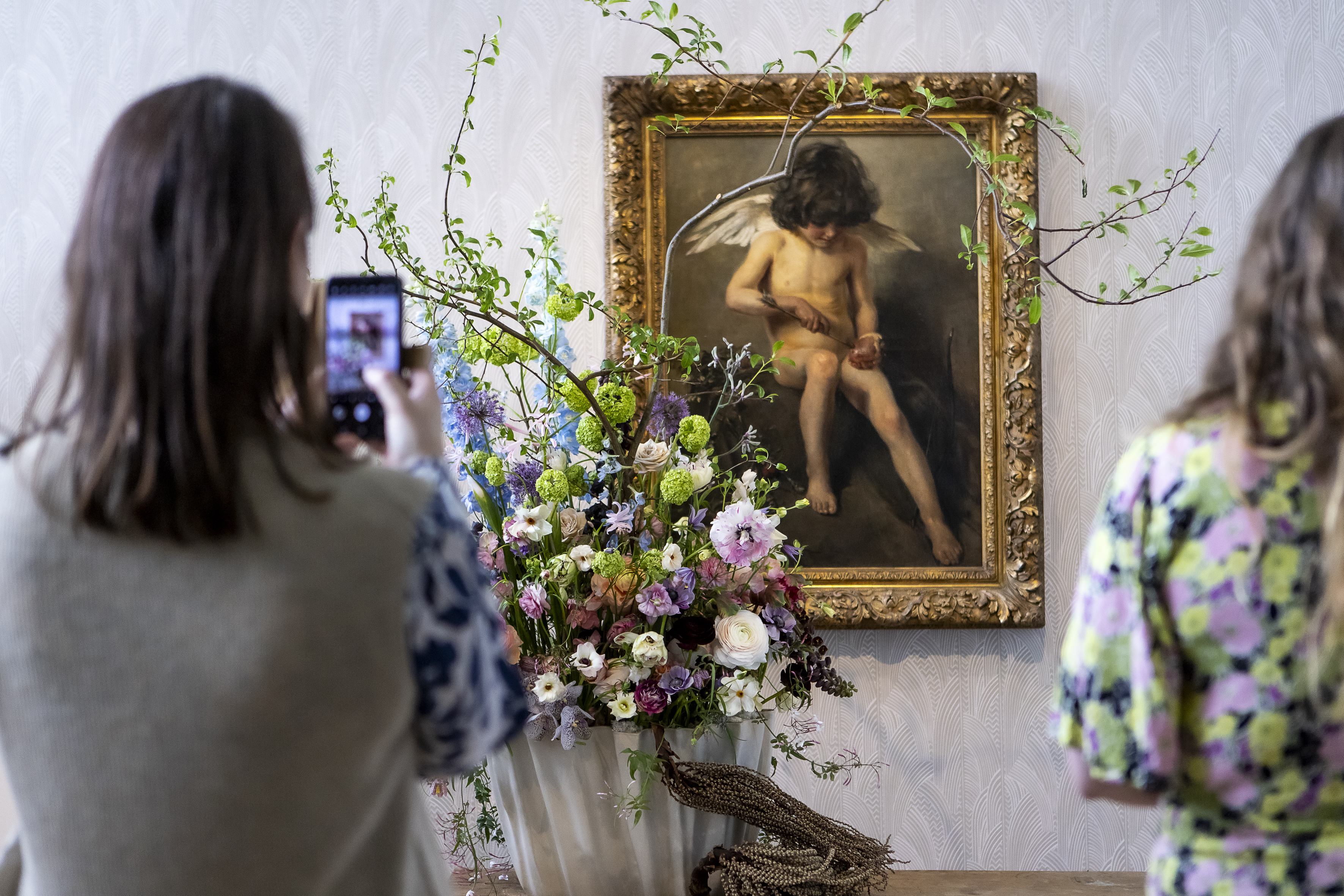
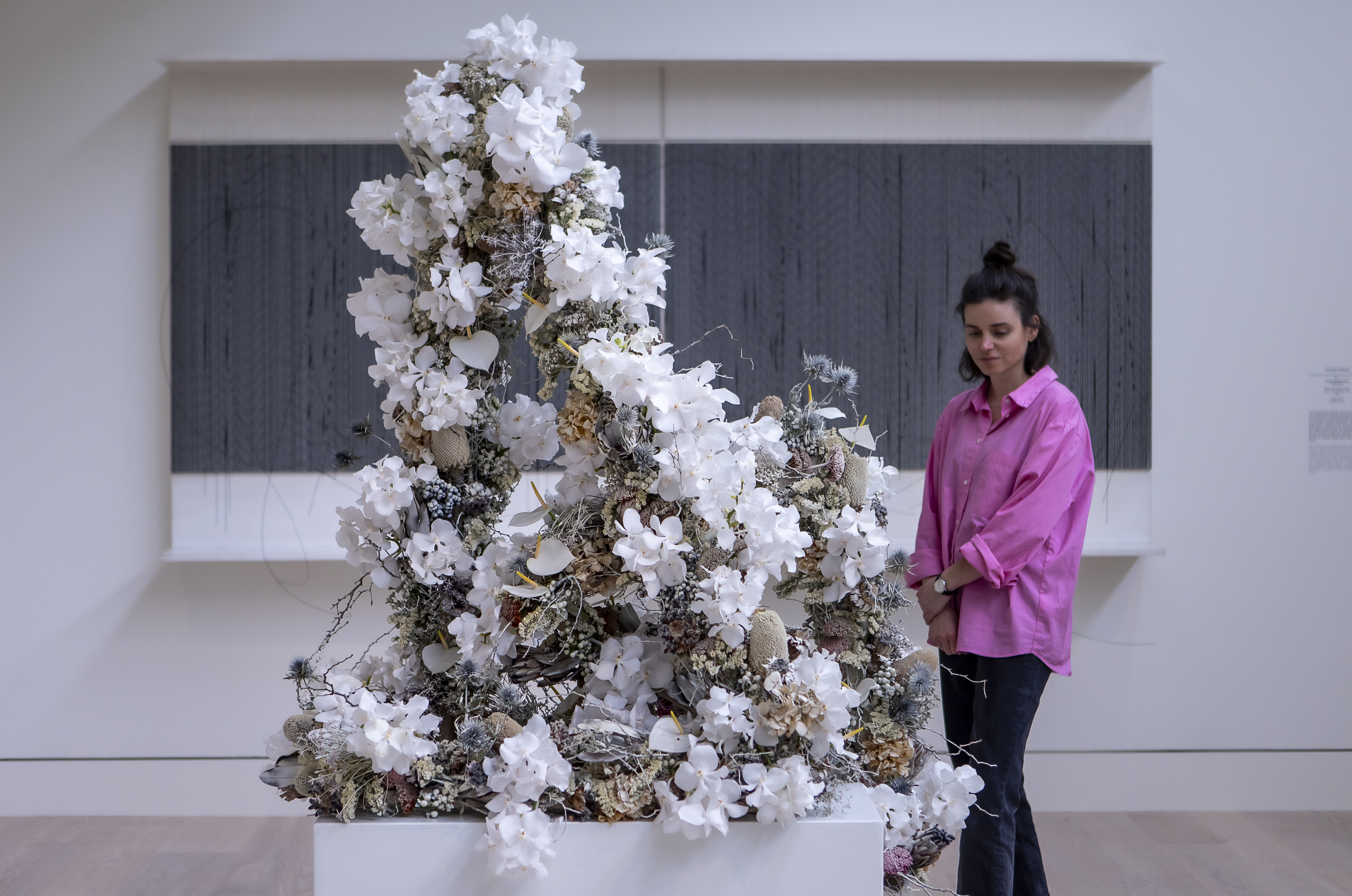
The Kunstpalast in full bloom: for the third time, at the start of spring, floral masterpieces by Düsseldorf florists enter into a dialogue with the artworks on display in the permanent collection. From roses and cherry branches to thistles – they all take centre stage at the Kunstpalast. Unfamiliar sightlines and juxtapositions invite visitors to venture new perspectives on art and to view nature from a completely different angle.

Around 30 floral creations are on display alongside the objects featured in the exhibition – naturally only for a short time – and offer a unique sensory experience, both visually and olfactorily. Eight renowned florists have accepted the Kunstpalast’s invitation to engage with the collection and develop interpretations that relate to individual works or entire rooms within the exhibition.

The Kunstpalast is the first museum in Germany to undertake a project of this scale that combines visual art and floristry in order to appeal to people who have not traditionally been part of the typical exhibition-going public. Similar formats are already well established in several museums in the USA, such as the Saint Louis Art Museum and the Museum of Fine Arts in Boston.
Florists
Blumenhaus am Hofgarten – Tino Hoogterp, Luisa König, Jule Schnaugst, Kristina Janet Schacke
Blumenbinderei Lehmann – Victoria Bernds
Dornrose – Sabine Krusekopf
Blüten&meer – Janina Rüger
Nymph Blumen – Alla Mandic & Team
October First Studio – Nina Gehrke
Tannendiele – Michael Frings, Astrid Franke, Yeo Jin Choi, Nele Pelz
Victor Breuer – Victor Breuer, Nele Münzer, Dominik Zelles
Exhibition view
 Photo: Anne Orthen
 Kunstpalast in Bloom
 Foto: Anne Orthen
 Photo: Anne Orthen
 Photo: Anne Orthen
 Photo: Anne Orthen
 Photo: Anne Orthen
 Photo: Anne Orthen
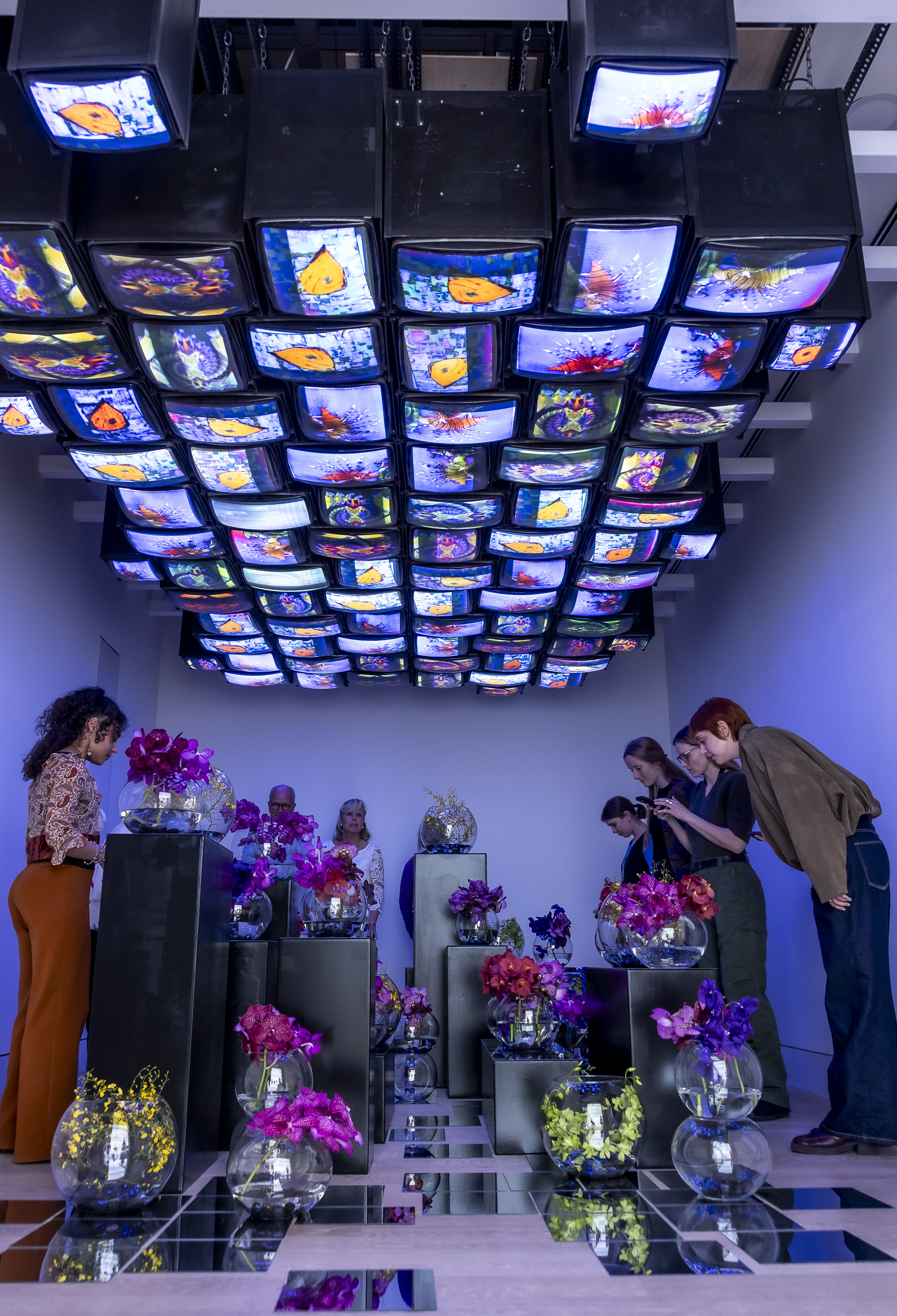
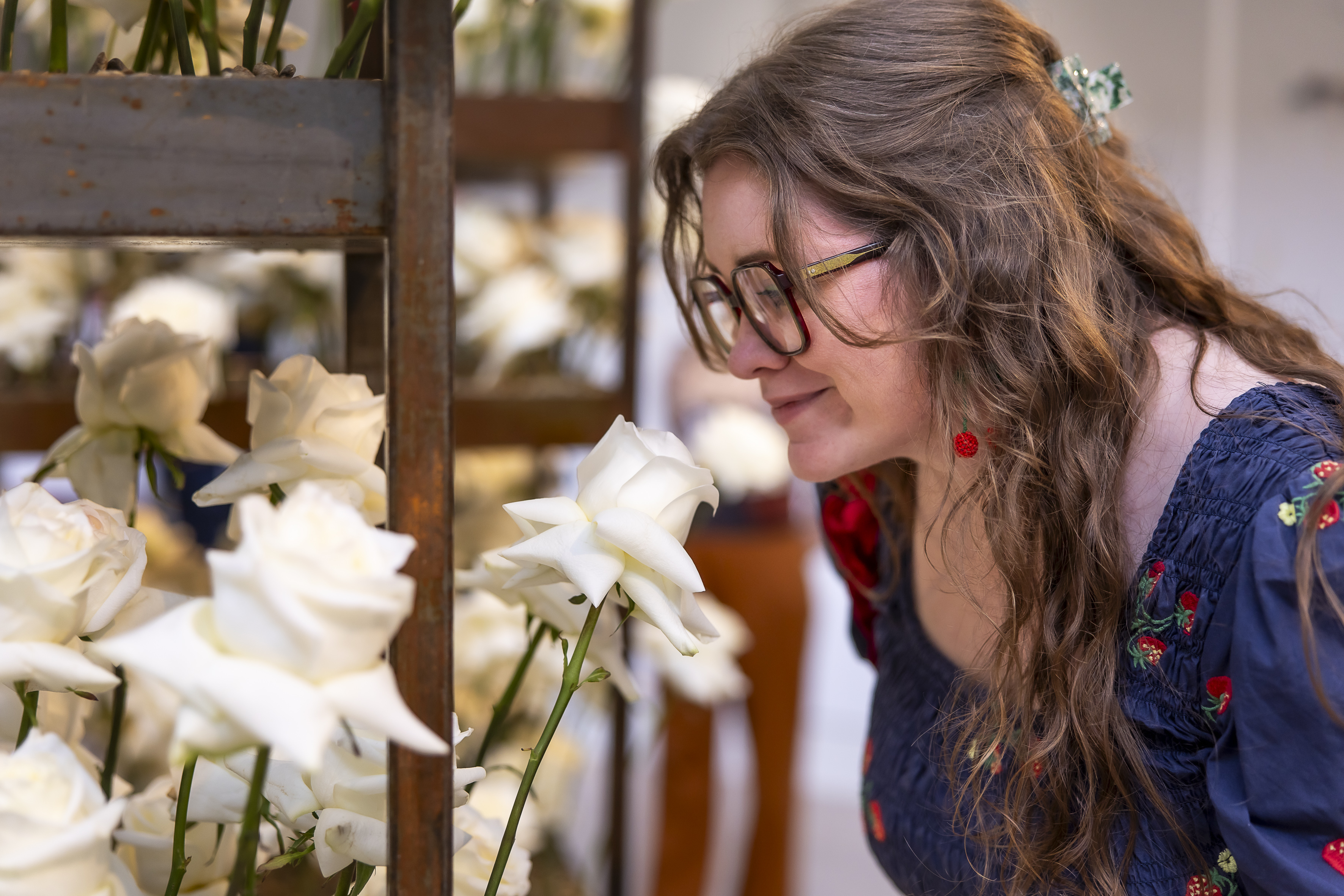
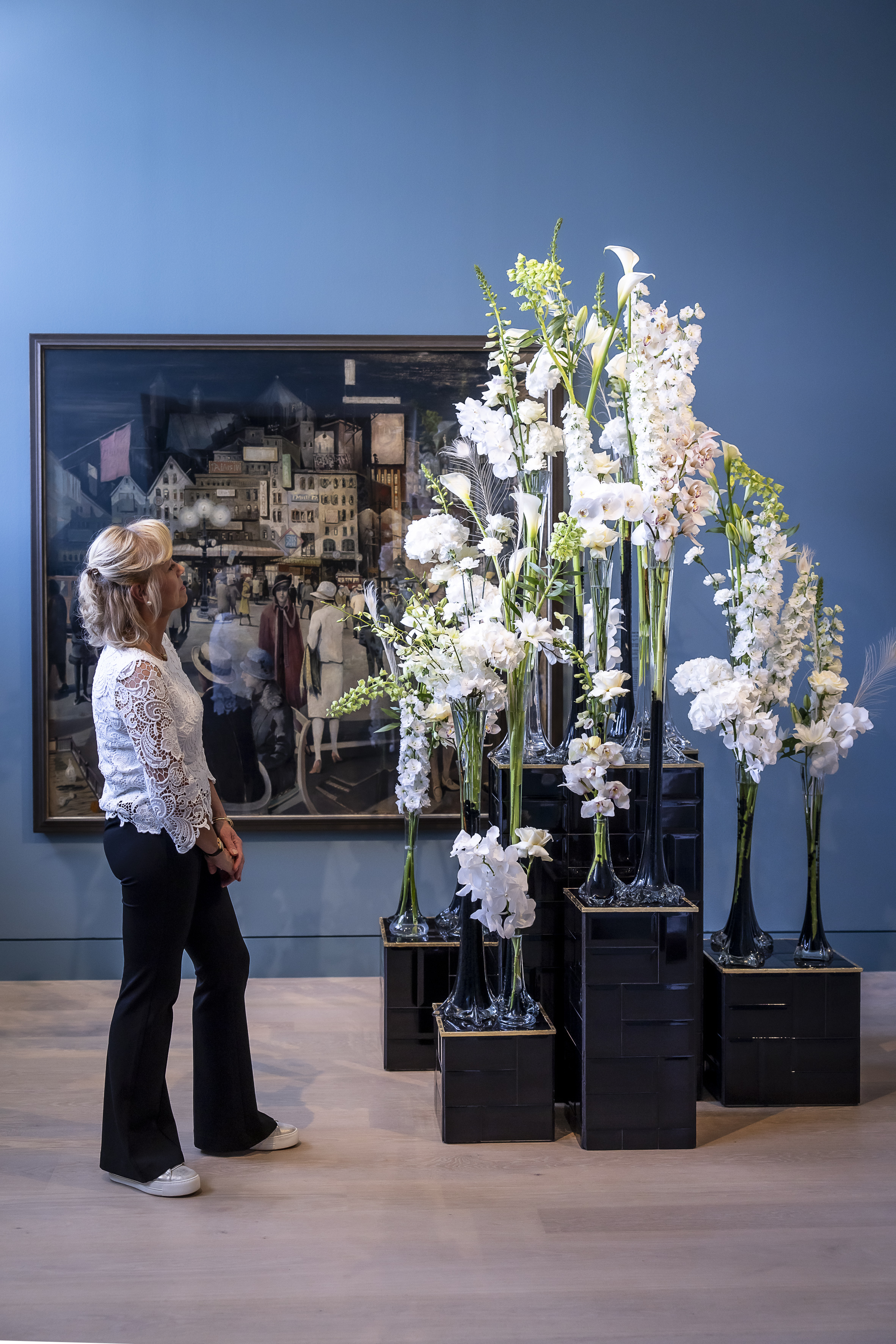
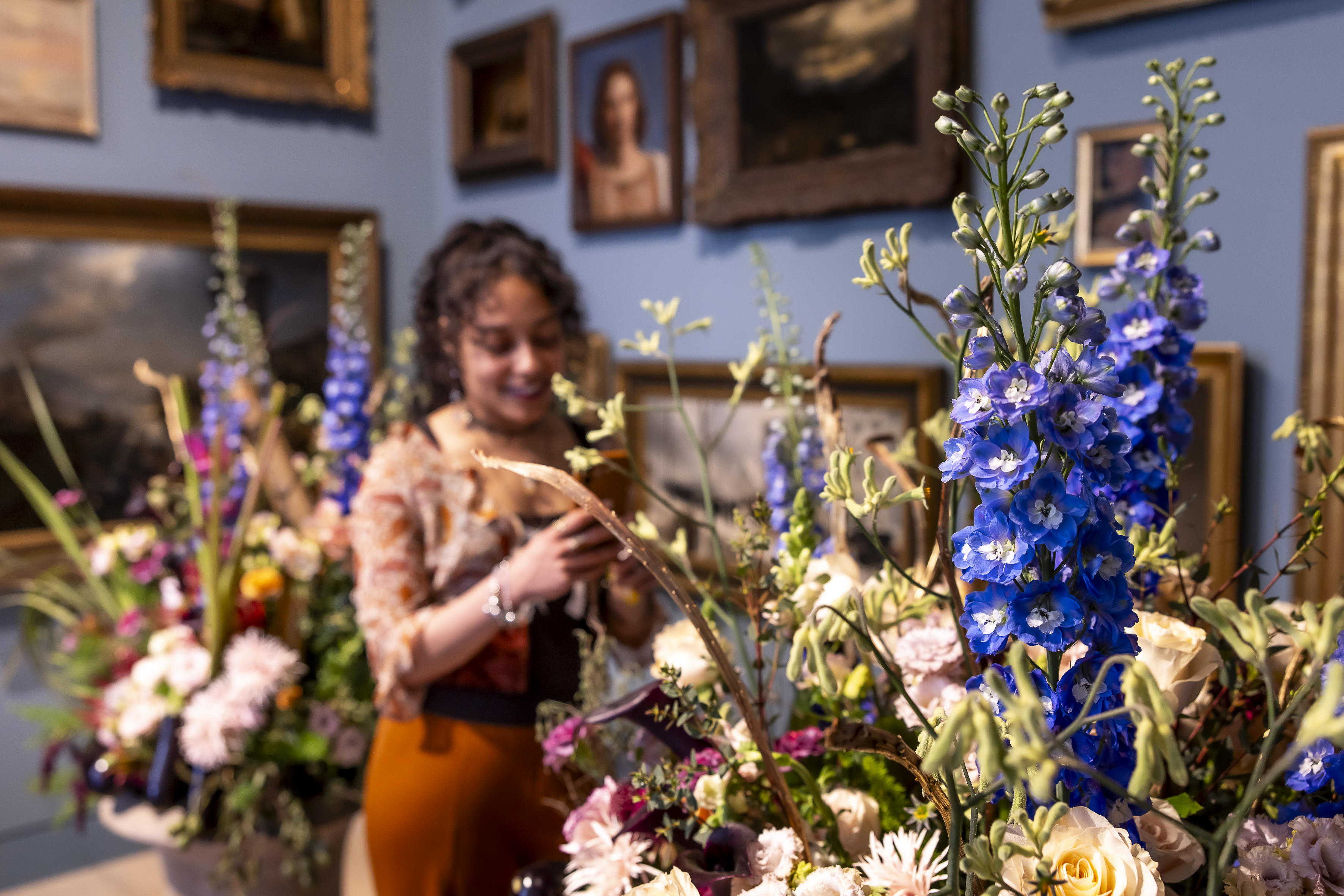
View of last year’s editions
Kunstpalast in Bloom 2025
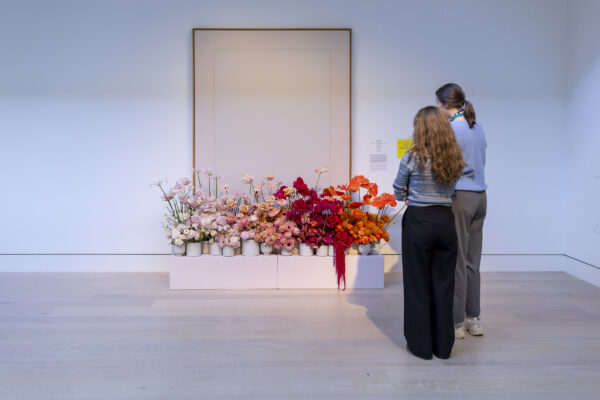 Photo: Anne Orthen
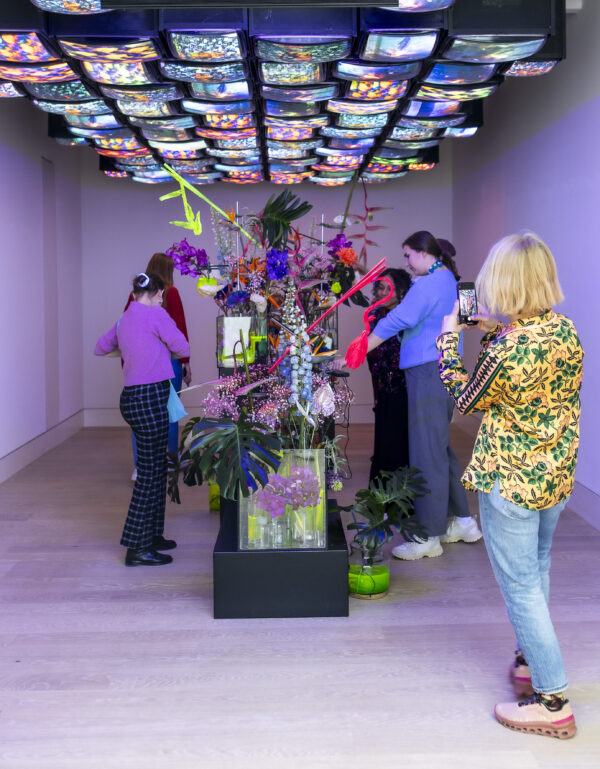 Photo: Anne Orthen
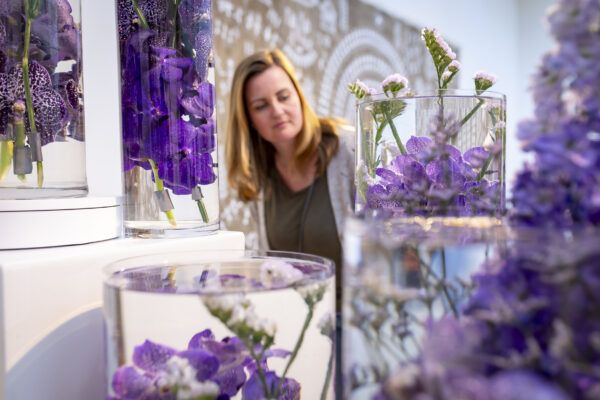 Photo: Anne Orthen
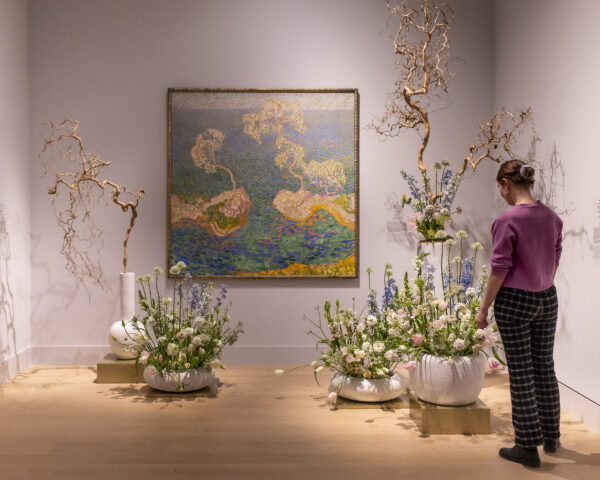 Photo: Anne Orthen
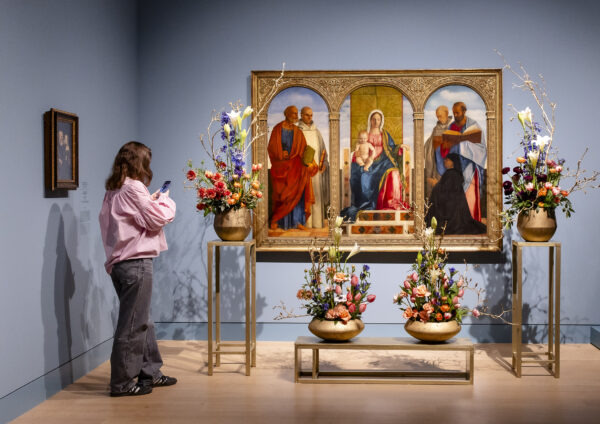 Photo: Anne Orthen
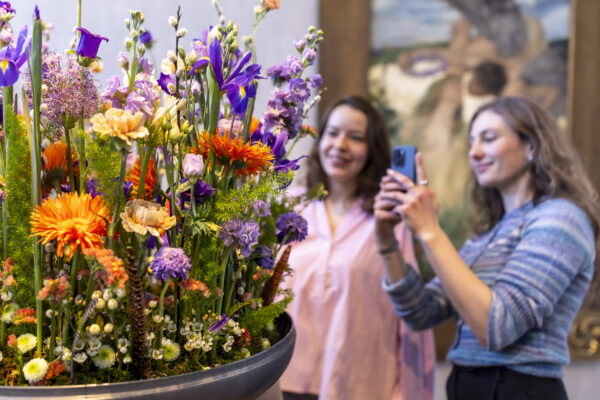 Photo: Anne Orthen
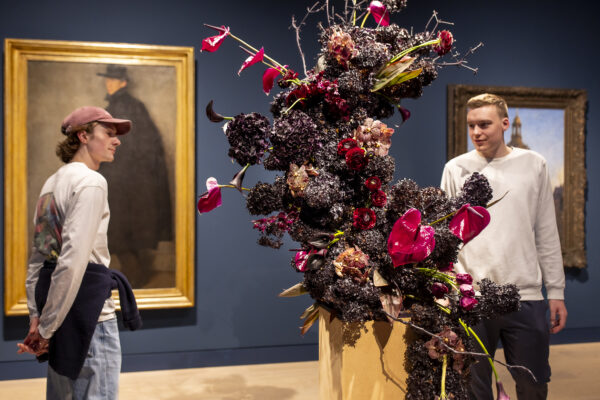 Foto: Anne Orthen
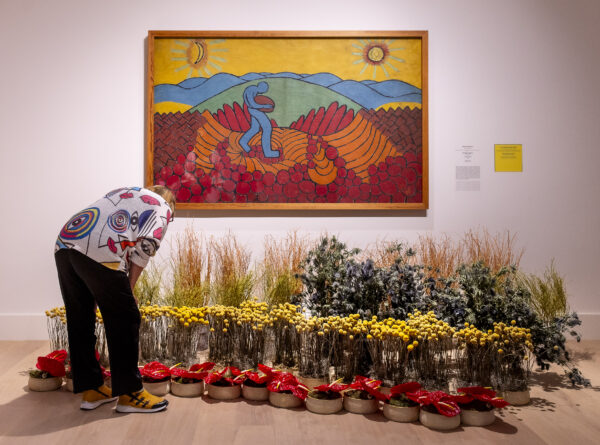 Photo: Anne Orthen
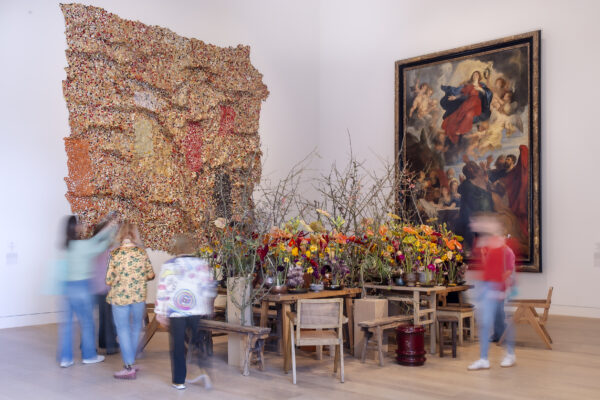 Photo: Anne Orthen
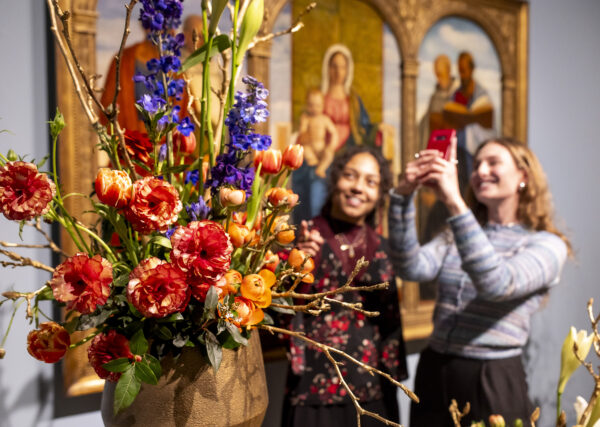 Photo: Anne Orthen
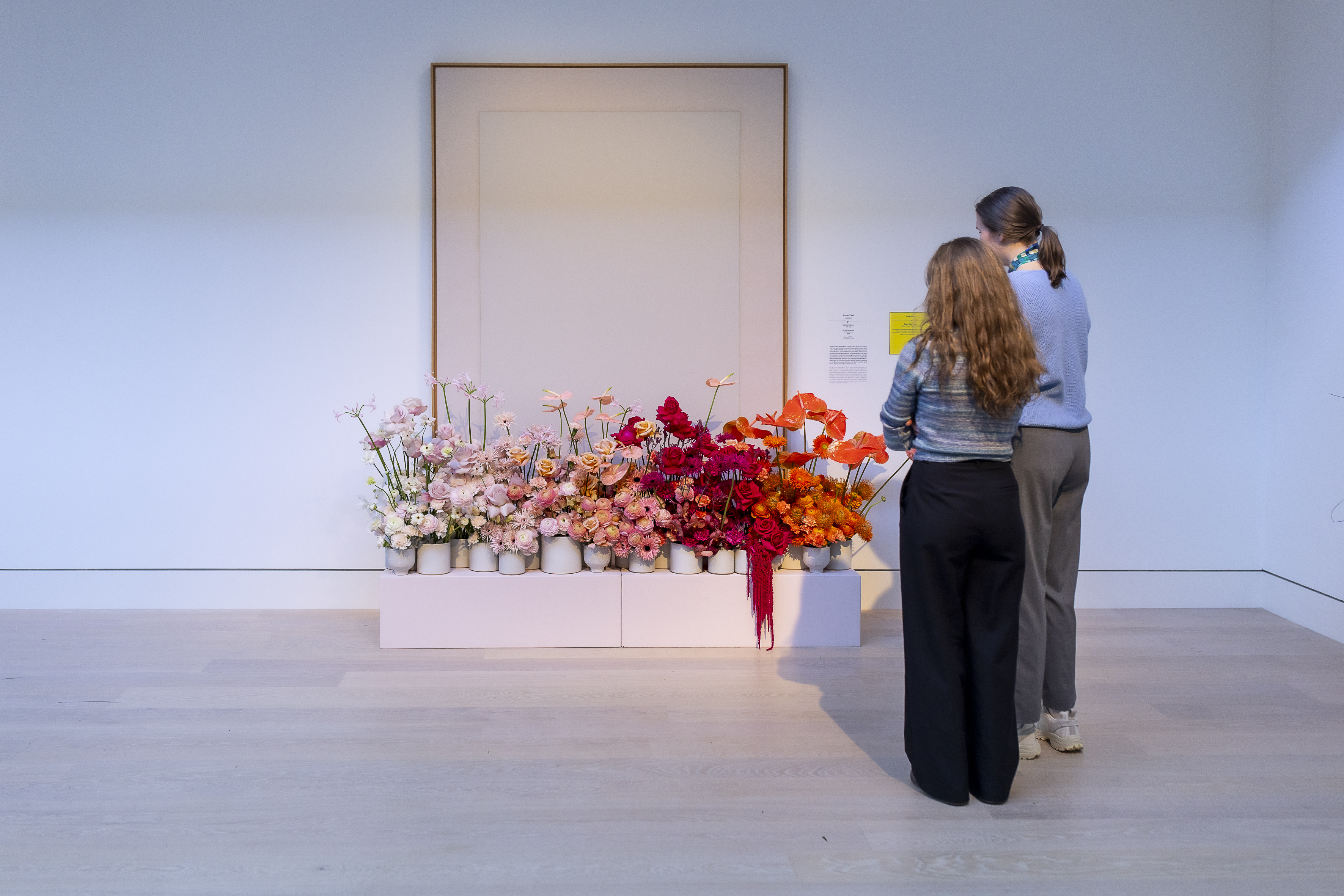
Kunstpalast in Bloom 2024
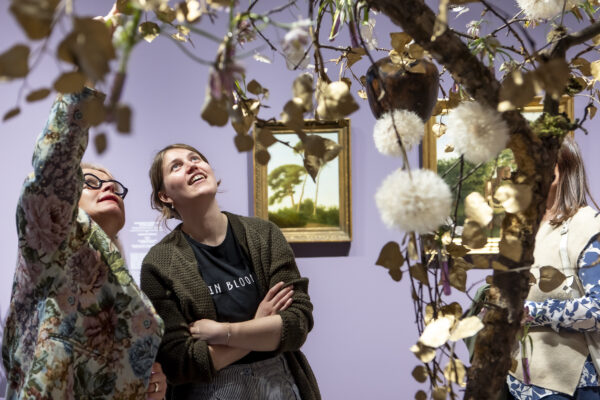 Photo: Anne Orthen
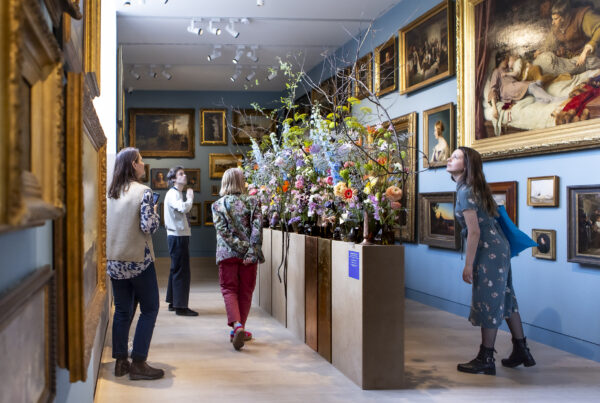 Photo: Anne Orthen
 KunstpalastPhoto : Andreas Endermann
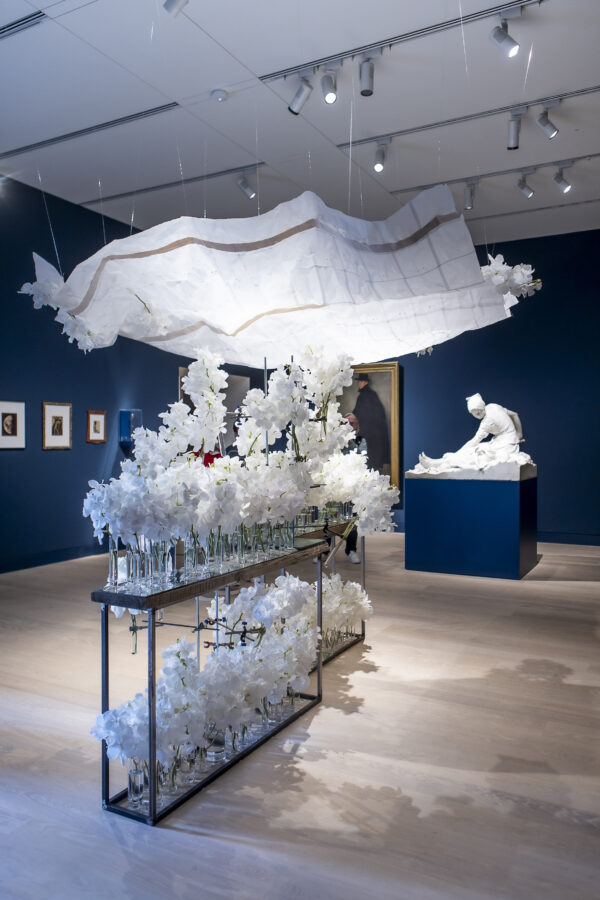 Photo: Anne Orthen
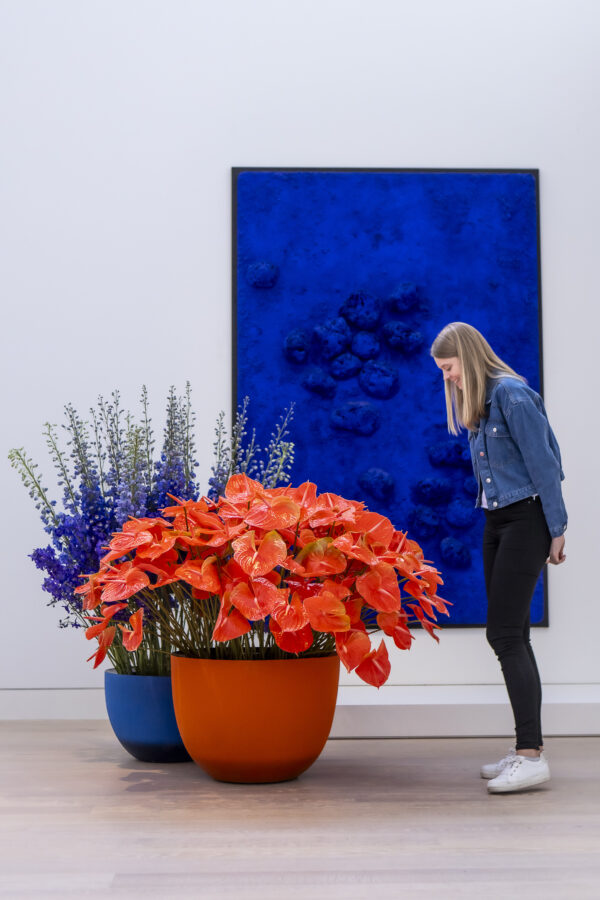 Photo: Anne Orthen
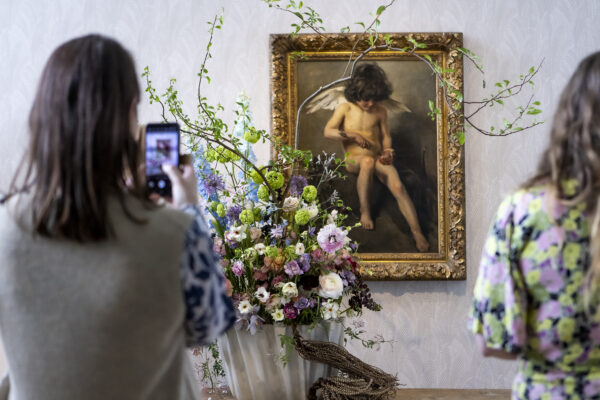 Photo: Anne Orthen
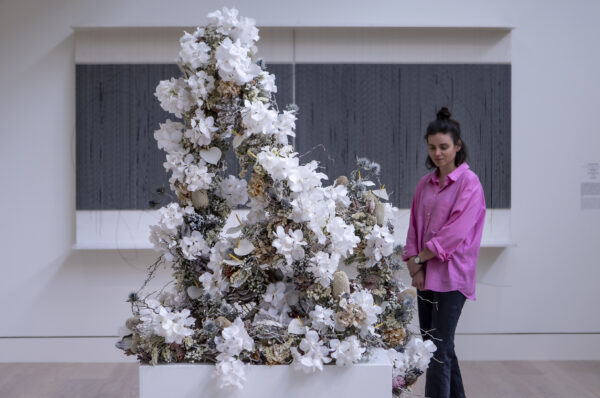 Photo: Anne Orthen
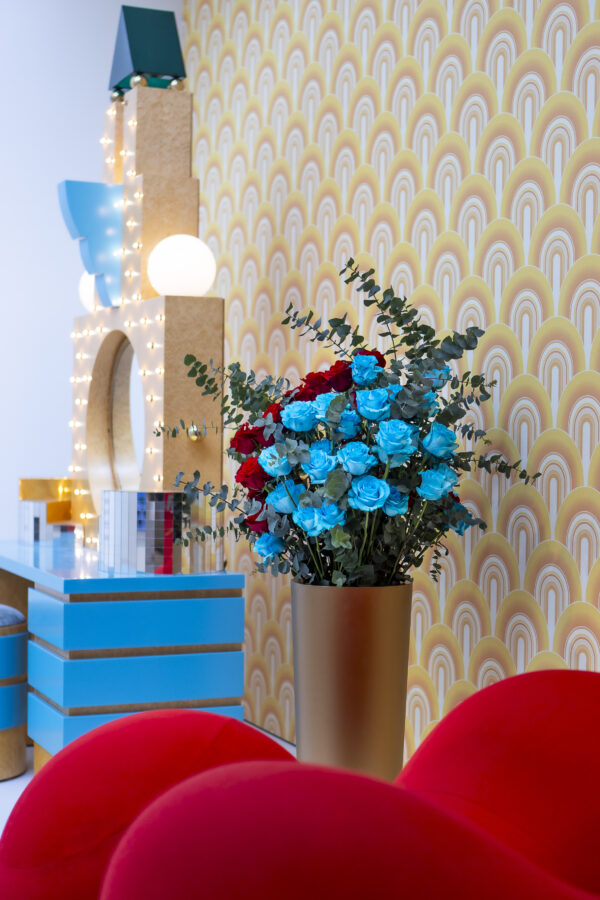 Photo: Anne Orthen
Supported by

Picture Credits
Picture Credits
Monet – Cézanne – Matisse
The Scharf Collection
12 Mar – 9 Aug 2026

Date
12 Mar – 9 Aug 2026
Location
» KunstpalastAdmission: 16 € / concessions 12 €
Children / young people under 18: free
Members of Friends of the Kunstpalast: free

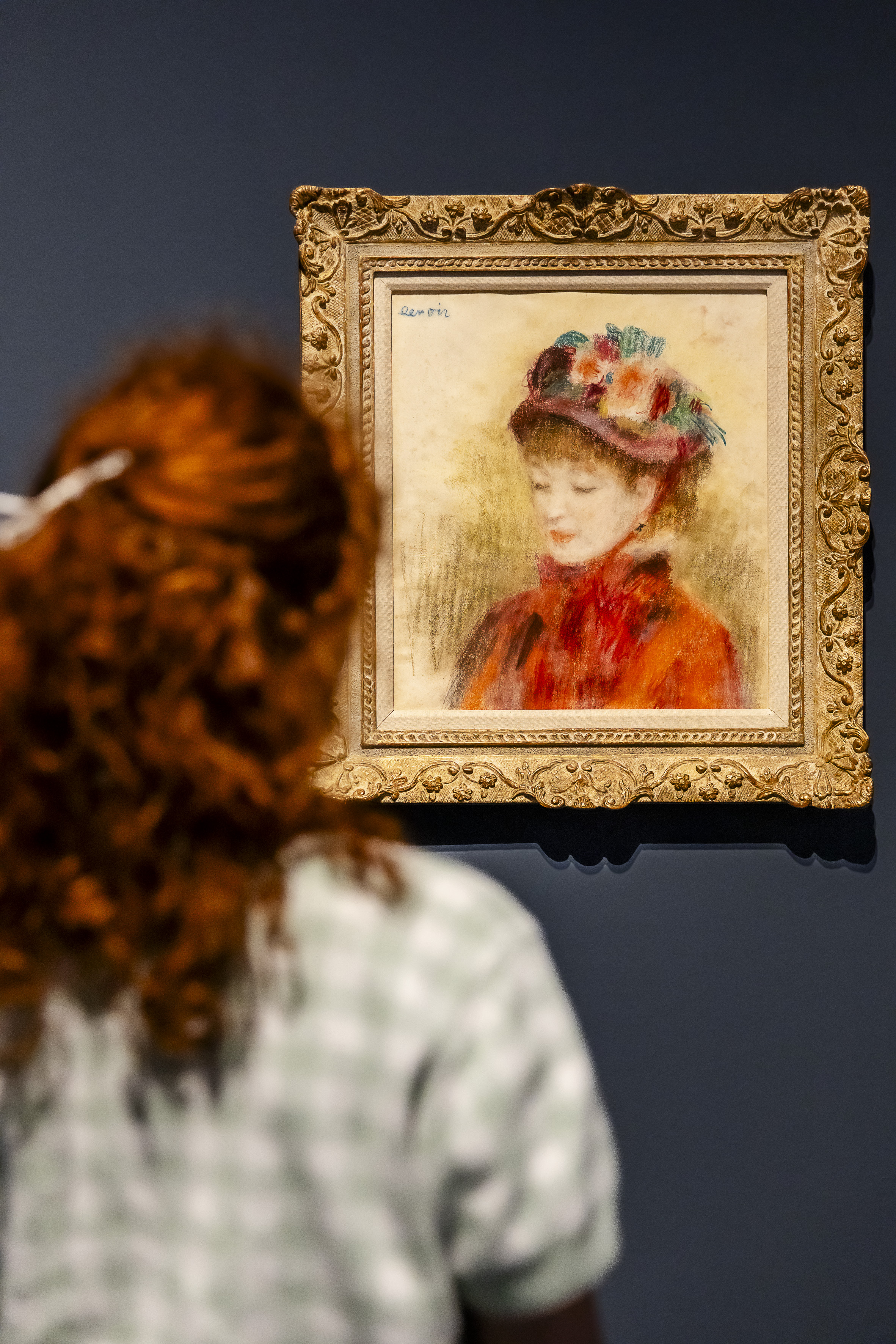
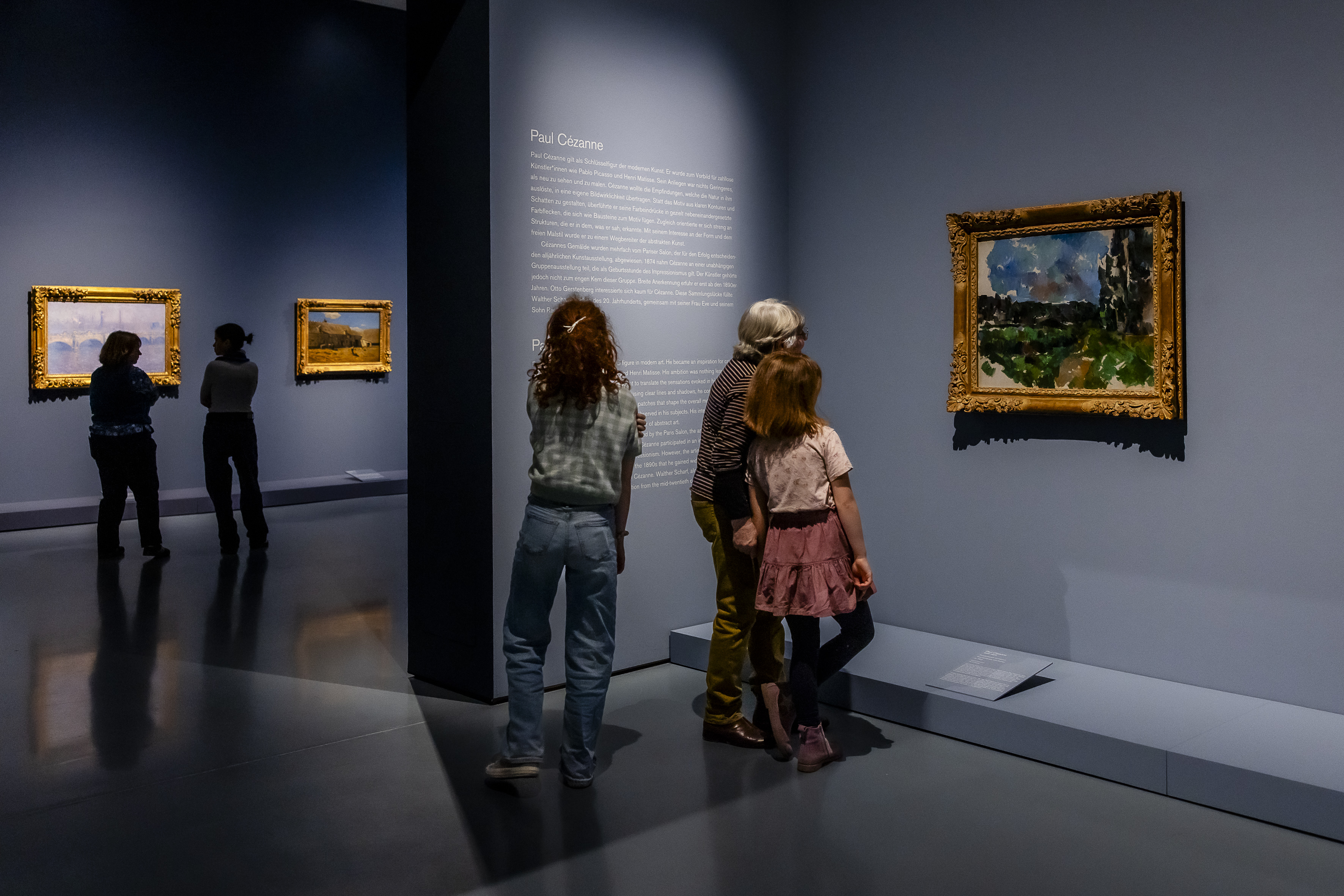
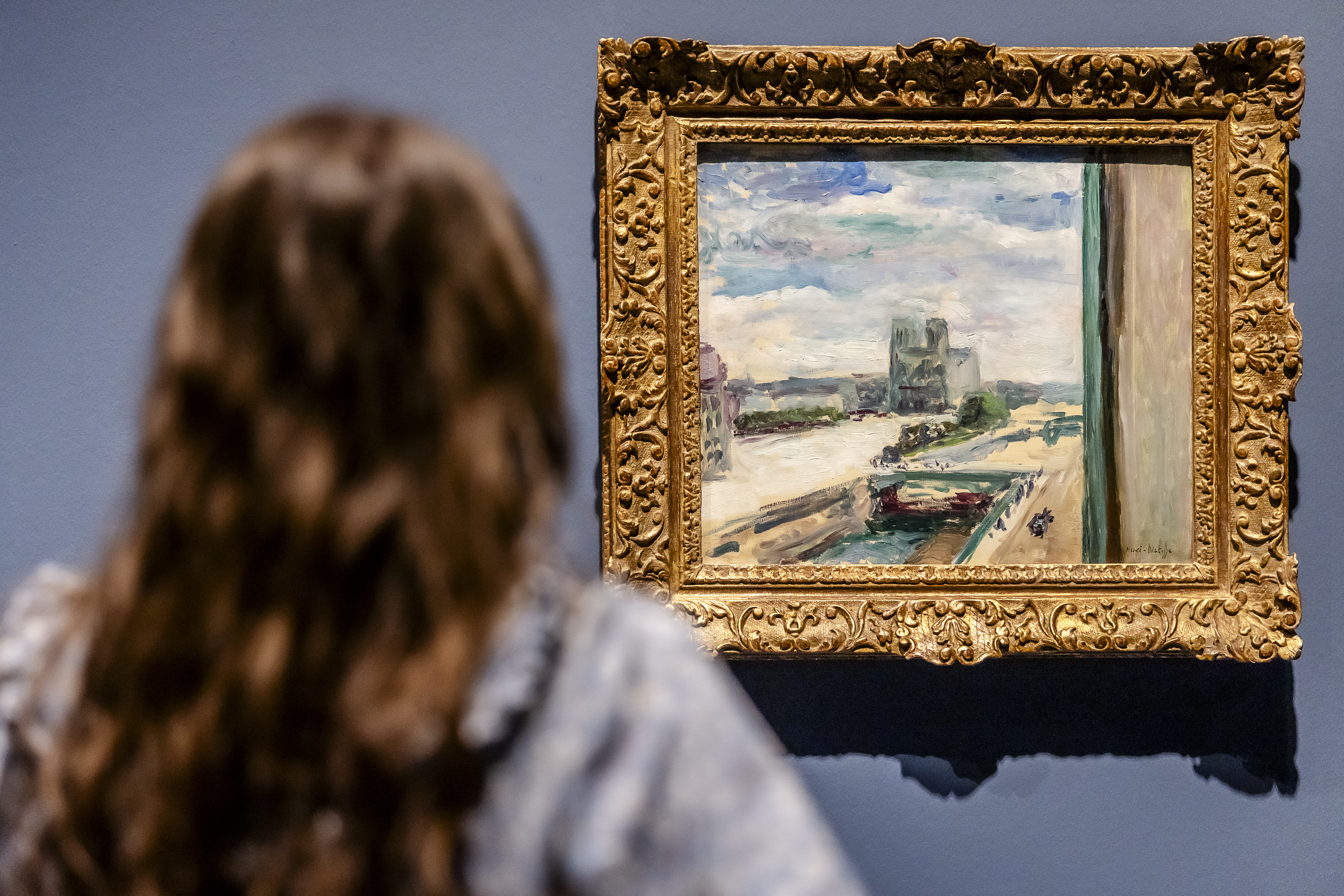
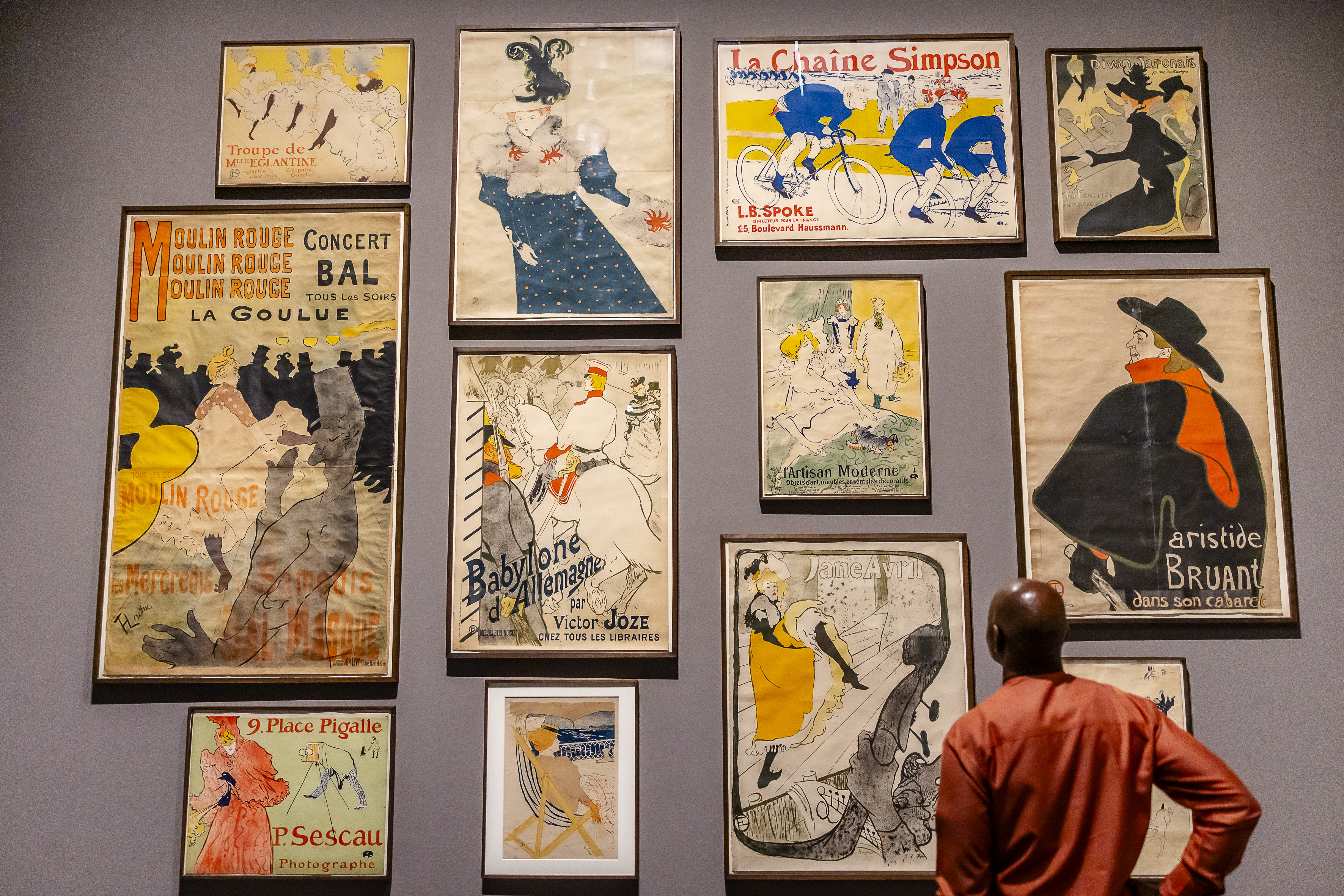
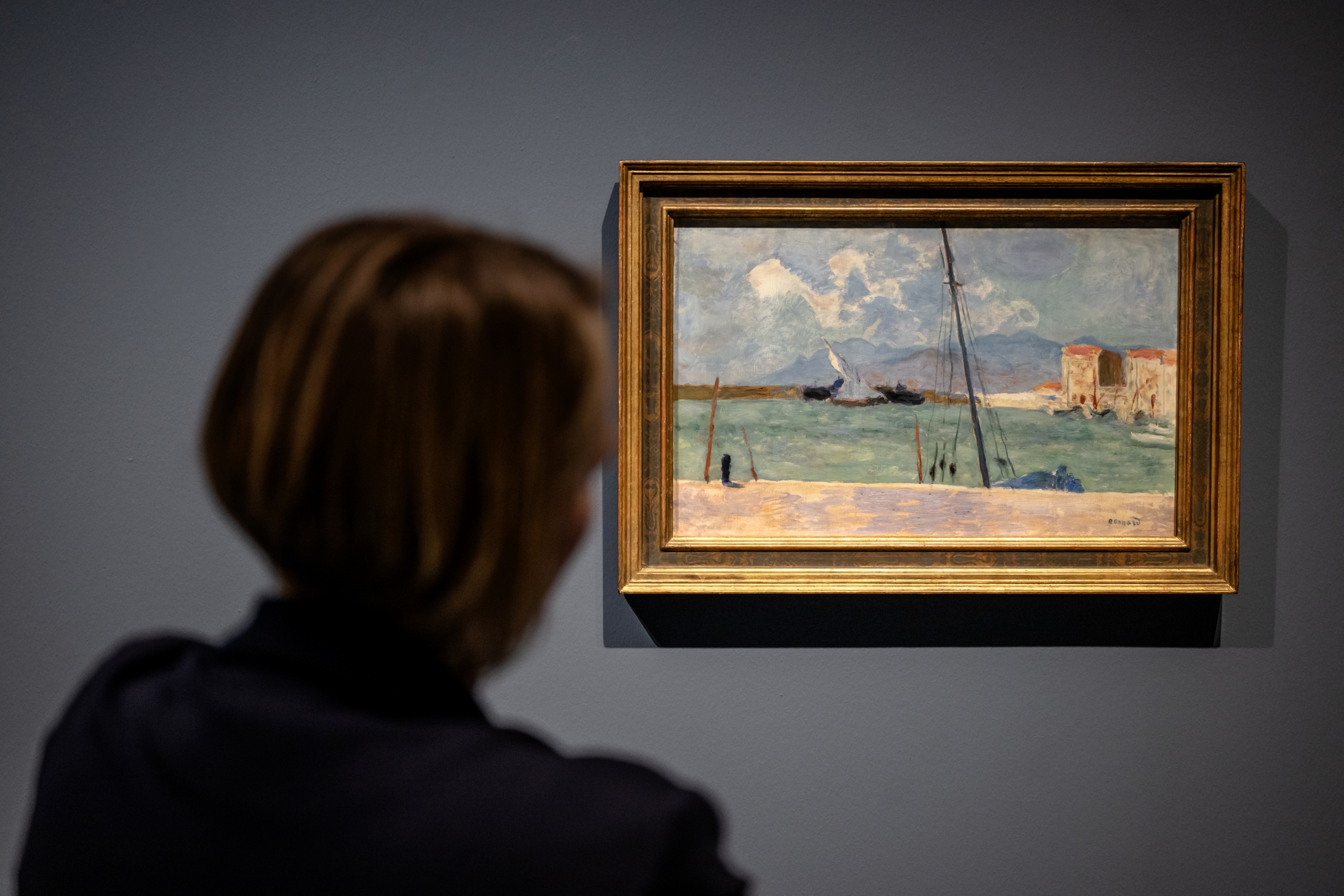
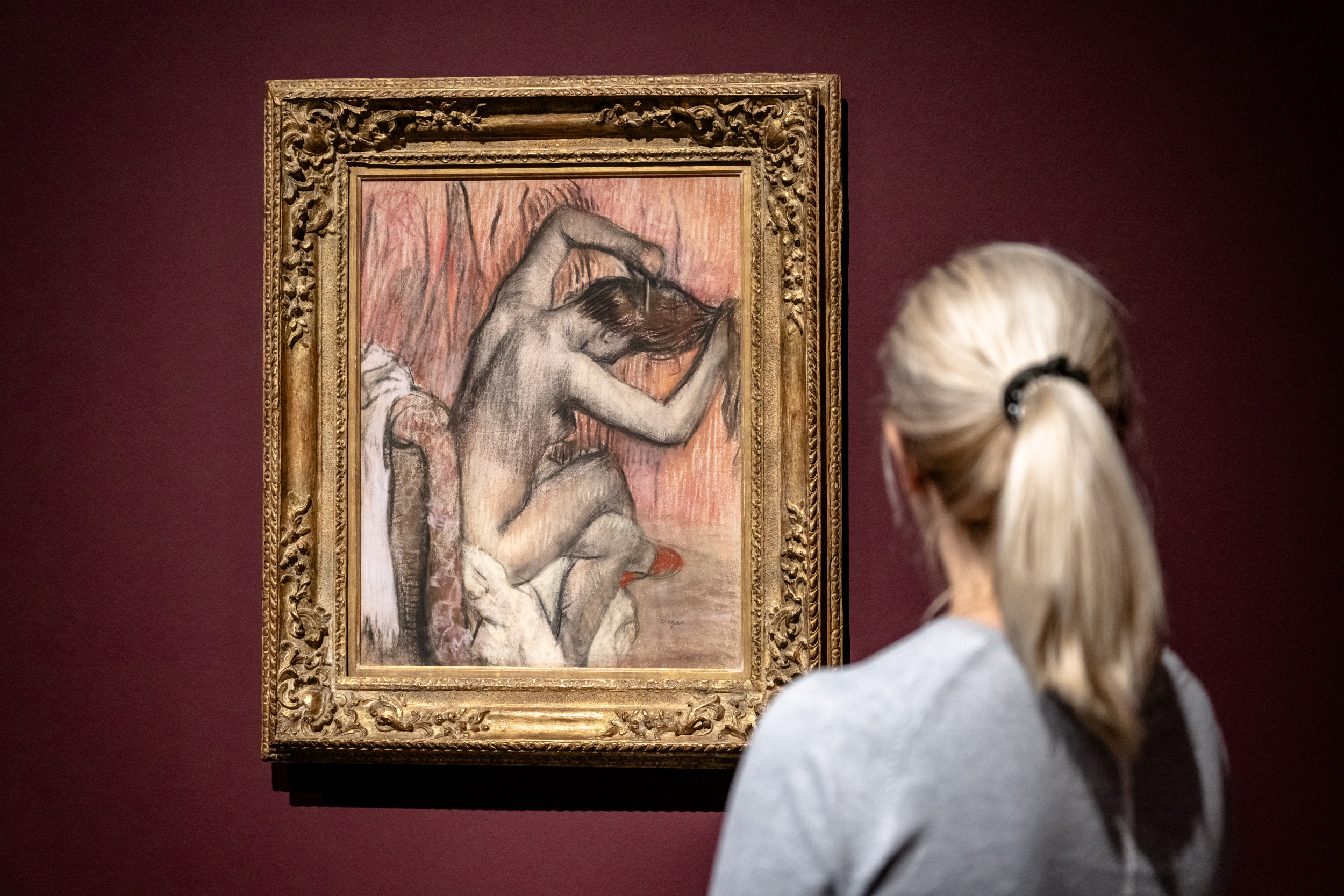
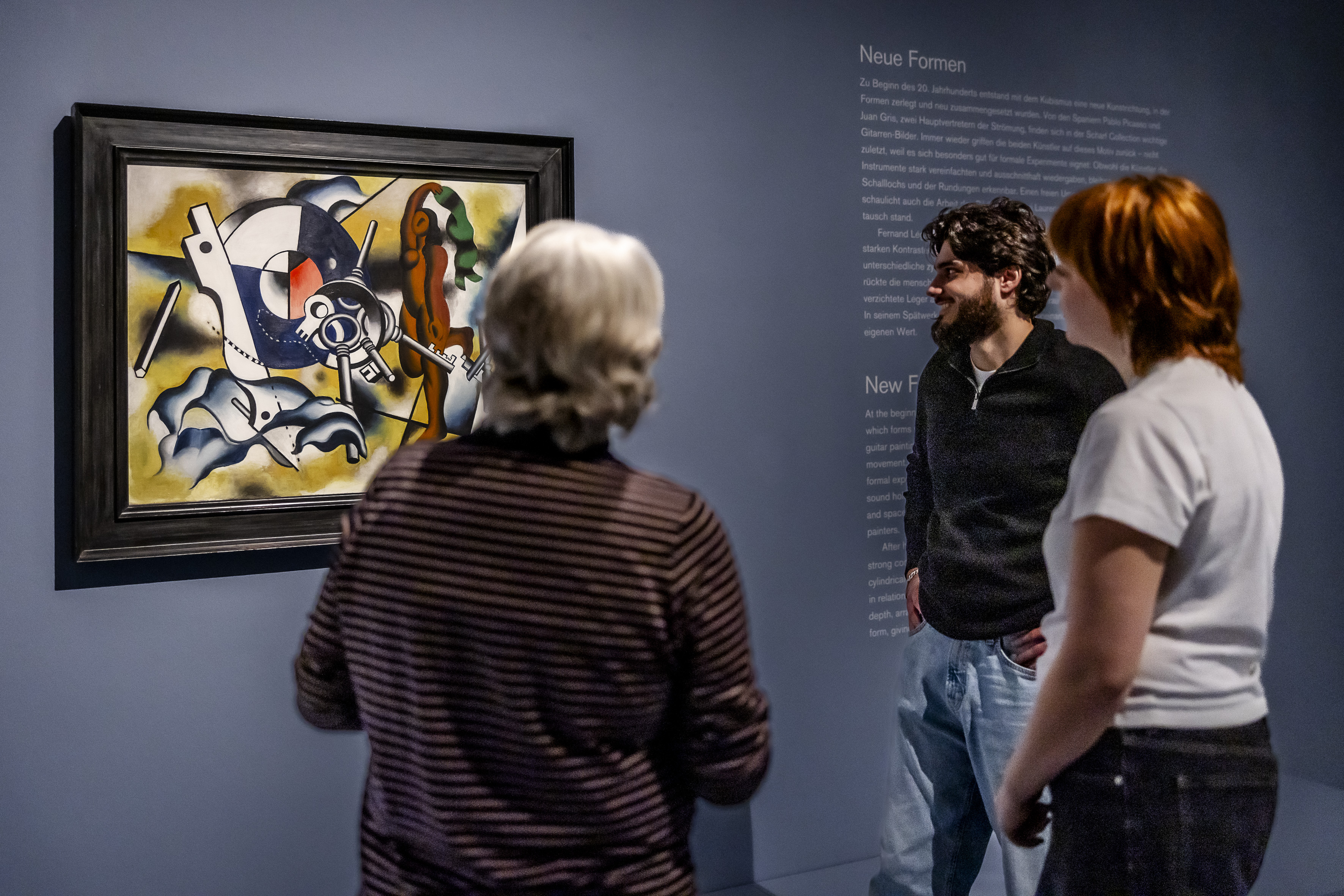
Until now, the Scharf Collection has remained anonymous and has only rarely been shown publicly, through a small number of loans. The exhibition, conceived together with the Alte Nationalgalerie in Berlin, where it proved a major public success, will be expanded in Düsseldorf by more than 60 additional works. These include pieces by Edgar Degas and Henri Matisse, as well as nineteenth-century Japanese colour woodcuts. The exhibition brings together paintings, works on paper and sculptures spanning three centuries.

The Scharf Collection traces its origins to a branch of the renowned Berlin collection assembled by Otto Gerstenberg (1848–1935). Around 1900, he began collecting art on a significant scale. Soon he expanded the collection to include nineteenth-century European painting, acquiring works by artists such as Francisco de Goya, John Constable and Gustave Courbet, before turning to the art of his own time. Gerstenberg assembled outstanding works by, among others, Edgar Degas, Claude Monet and Auguste Renoir, laying the foundation for the present-day Scharf Collection’s emphasis on French Impressionism.
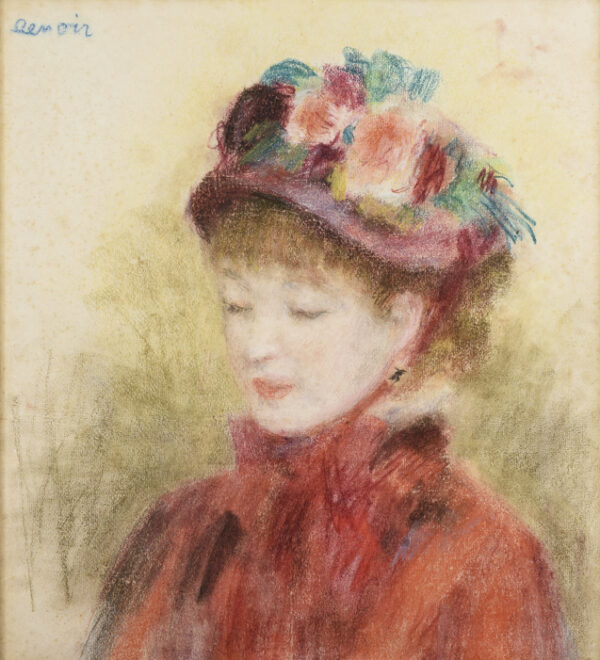
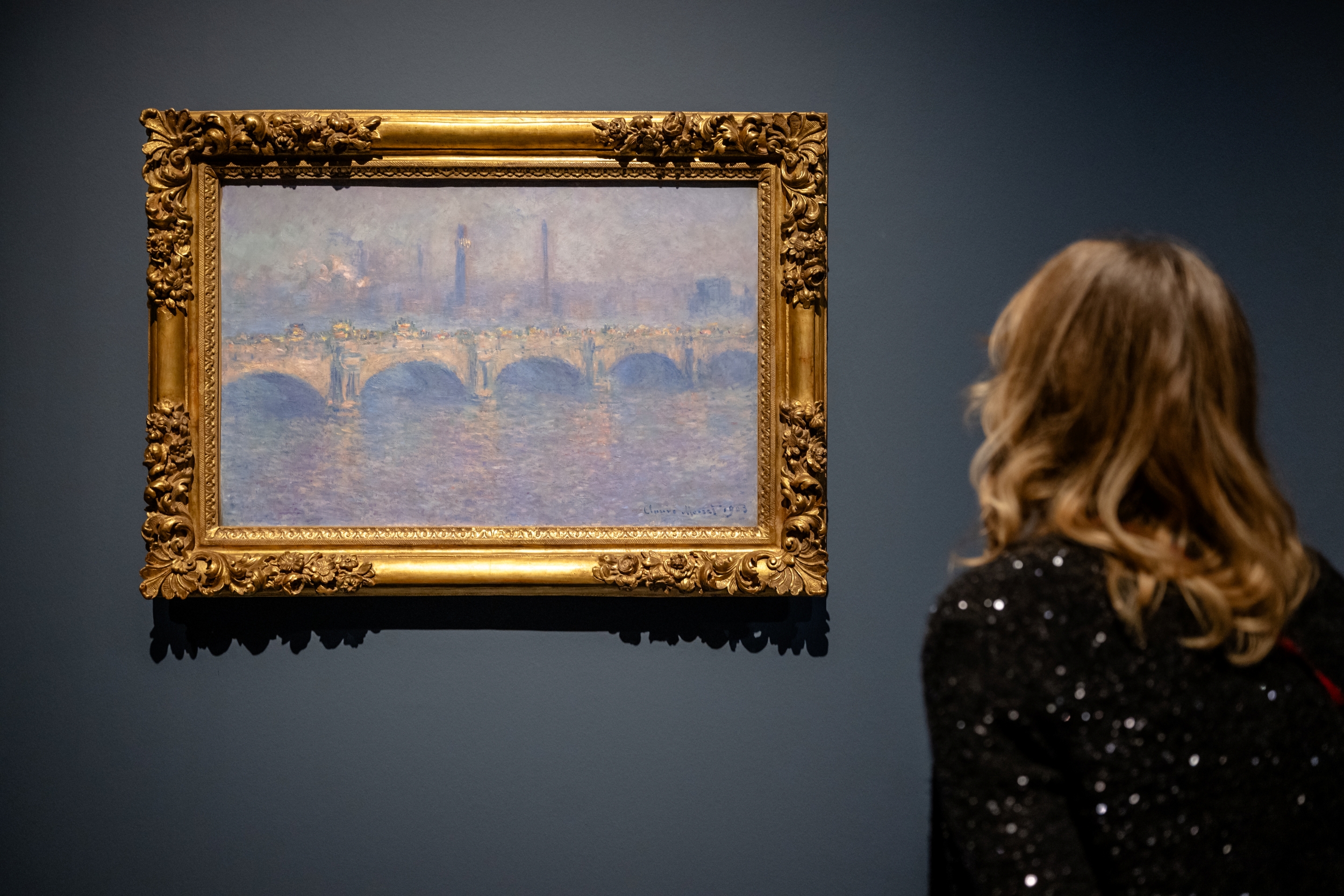
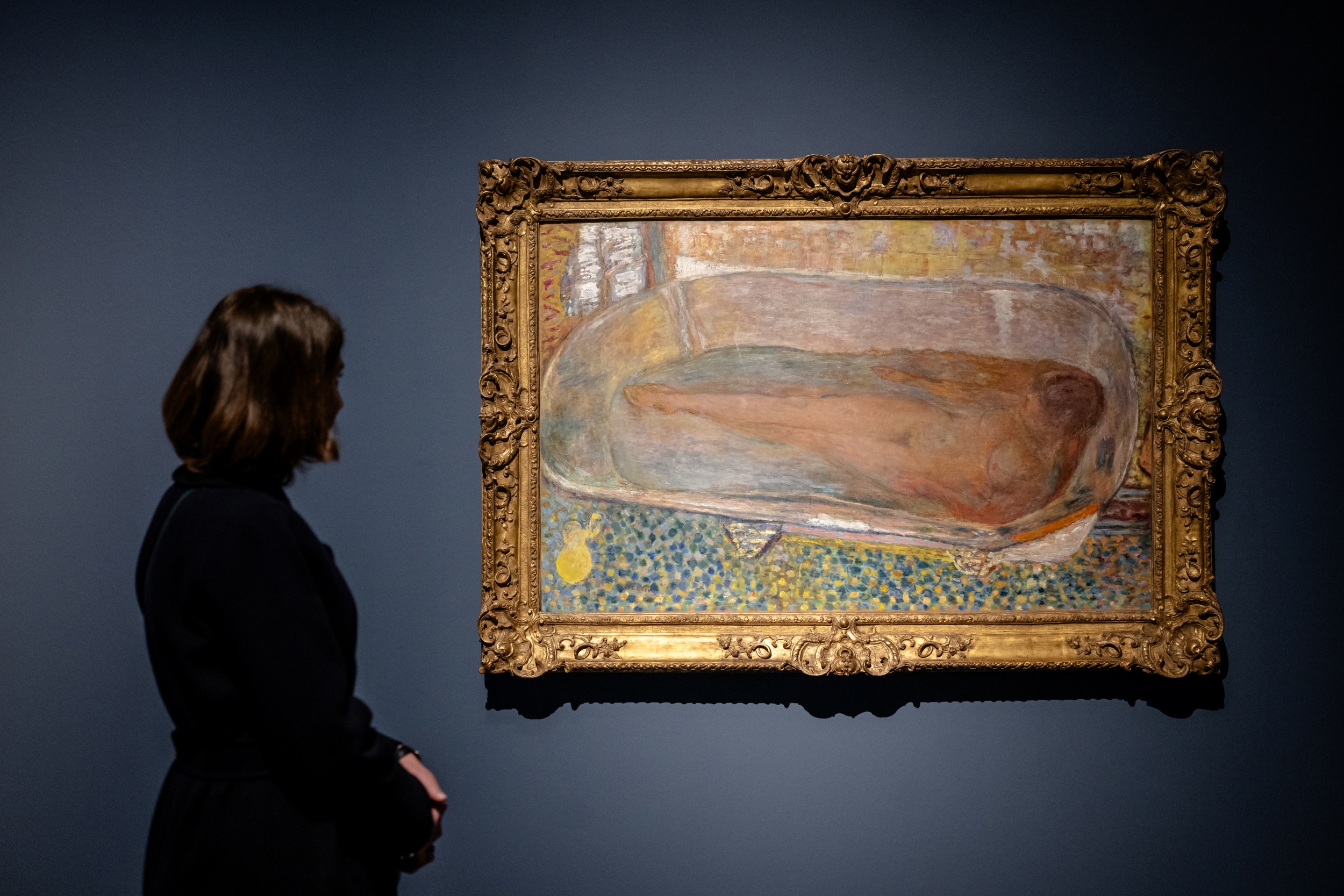
The present-day Scharf Collection descends from the branch of the family associated with Walther Scharf, who, together with his wife Eve and their son René, further developed the collection’s focus on French art and expanded it with key works. Among them is Claude Monet’s Waterloo Bridge (1903), part of a series of around forty paintings depicting the famous London bridge in constantly shifting colour and light. The collection was also enriched by Pierre Bonnard’s intimate painting The Large Bath (1937/39), which shows his wife Marthe reclining in a bathtub. With Henri Matisse’s artist’s book Jazz (1947), the collection includes an icon of modernism, bringing together twenty of his characteristic paper cut-outs.
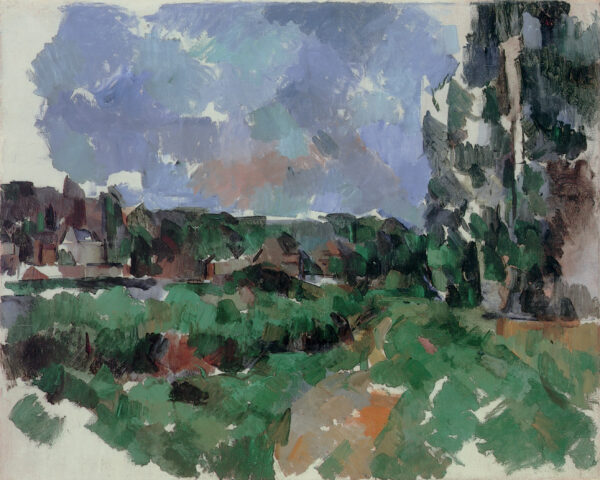
René Scharf, who worked for Christie’s and the Museum of Modern Art from 1984 to 2003 before becoming an art dealer in New York, expanded the core of the collection to include works of classical modernism and Abstract Expressionism, among them paintings by Sam Francis. Today, René and his wife Christiane Scharf – a lawyer specialising in copyright and media law – have also turned their attention to contemporary art, continuing the family’s collecting tradition into the present. Recent acquisitions include works by international figures such as Robert Longo and Sean Scully, alongside artists from Berlin’s emerging art scene. Their works reflect the diversity of contemporary painting in its approaches to colour and form.
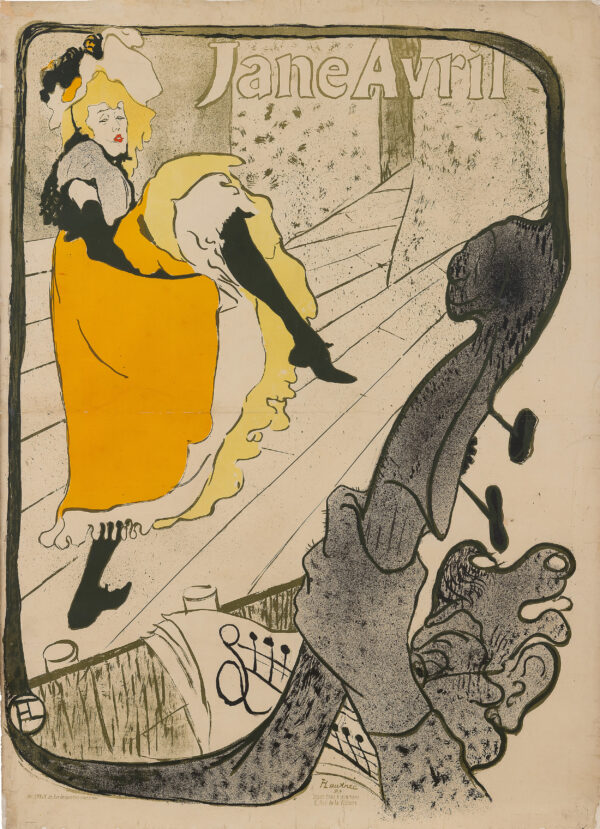
An interest in the possibilities of painting has guided the collection across four generations. In doing so, the Scharf Collection also reveals how artists continually learn from one another, refer to one another and develop artistic ideas further. The chronological route through the Scharf Collection’s eleven exhibition rooms becomes a journey through a range of artistic approaches – and a reminder that artistic renewal rarely emerges from a complete break with the past, but rather builds upon it.
The exhibition at Kunstpalast was organised in cooperation with the Alte Nationalgalerie, Staatliche Museen zu Berlin.
Curator: Kathrin DuBois, Head of Collection Painting until 1900, Kunstpalast
Exhibition view
 Exhibition view, photo: Anne Orthen
 Exhibition view, photo: Andreas Endermann
 Exhibition view, photo: Anne Orthen
 Exhibition view, photo: Anne Orthen
 Exhibition view, photo: Anne Orthen
 Exhibition view, photo: Andreas Endermann
 Exhibition view, photo: Andreas Endermann
 Exhibition view, photo: Anne Orthen
 Exhibition view, photo: Andreas Endermann
 Exhibition view, photo: Andreas Endermann
 Exhibition view, photo: Anne Orthen
 Exhibition view, photo: Anne Orthen
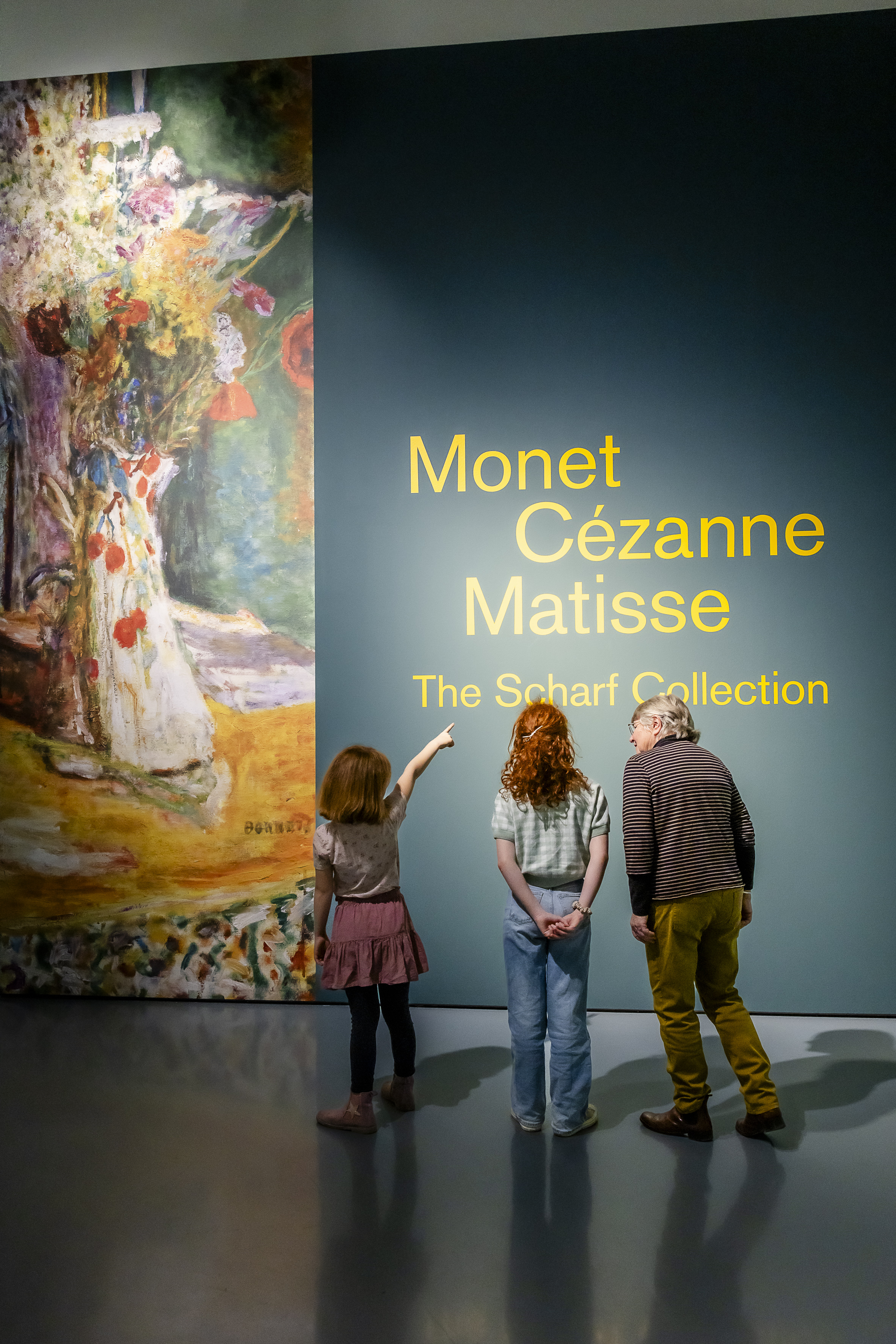

Exhibition catalogue
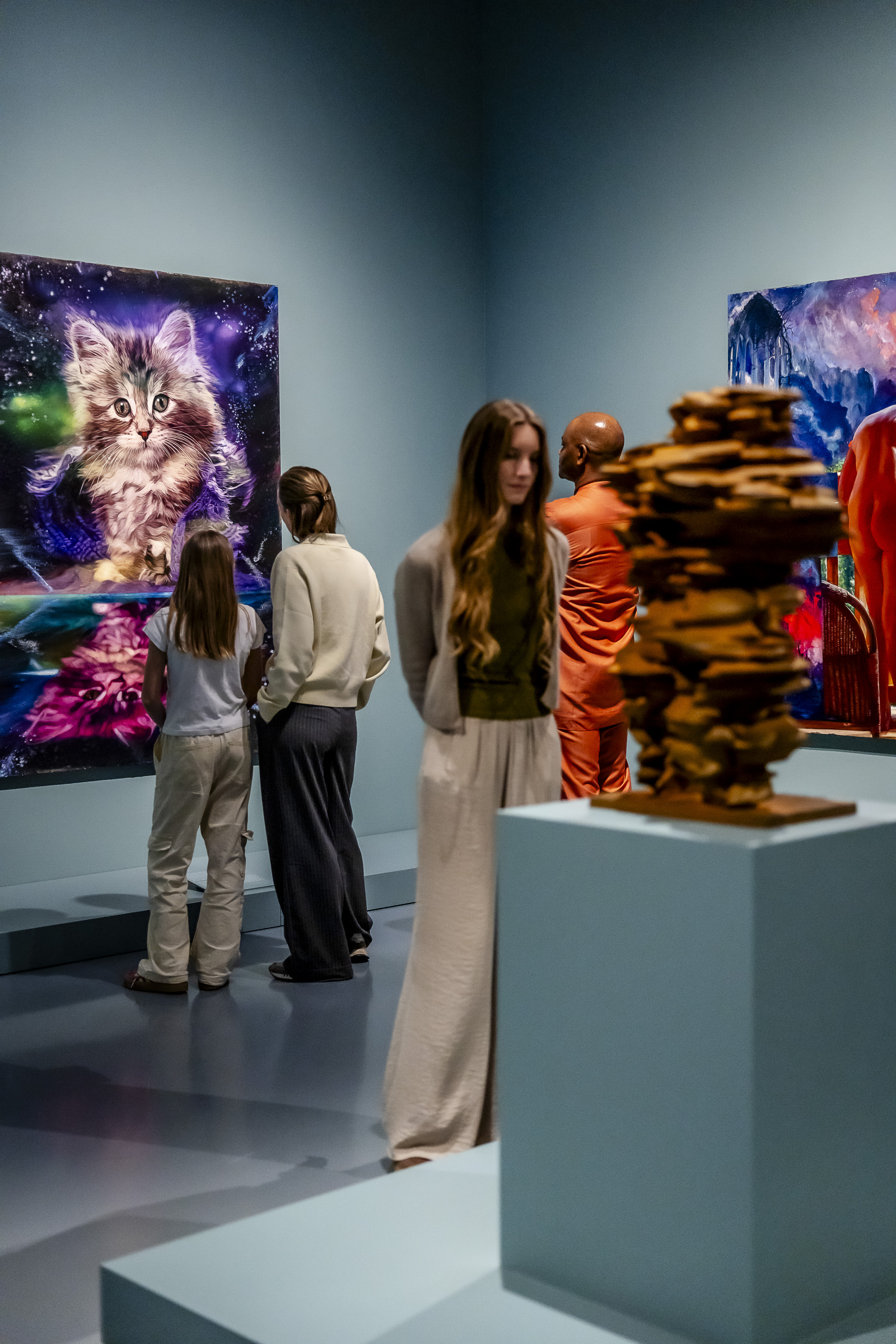
Published by Kunstpalast, Alte Nationalgalerie, Staatliche Museen zu Berlin | 244 pages | 200 mostly colour illustrations | 23.5 x 28.5 cm | German | Hardcover | museum shop price: 39,90 €

Supported by

Picture Credits
Picture Credits
Spot On: Chris Reinecke
Art is Necessary
19 November 2024 – 4 May 2025

In her early years, art meant public action for Chris Reinecke (*1936). At the end of the 1960s, the artist, who studied and still lives in Düsseldorf, invited passers-by into her studio or carried out artistic performances on the street in order to reach as many people as possible. This exhibition shows objects, drawings and photos from this period, some of which are being presented for the first time.
Reinecke and her former husband, the artist Jörg Immendorff (1945-2007), rented a room in Pempelfort in 1968 where they organised exhibitions and events such as creative workshops for adults. Shortly afterwards, they founded the “Büro Olympia” in the city centre, which campaigned against the politically motivated promotion of high-performance sports. The place became a focal point for other political groups such as “Mietersolidarität” (“Tenant Solidarity”), which fought for rent control.
In her 1970 manifesto “Kunst Muss Sein” (“Art Is Necessary”), Reinecke explained her understanding of art as a democratic medium that should be open to all. In 2023, she donated a collection of early works to the Kunstpalast that visualise this way of thinking.
Curator: Gunda Luyken, Head of the Department of Prints and Drawings, Kunstpalast &
Claudia Petersen, Head of Prints and Drawings Study Room, Kunstpalast
Bildnachweise
Bildnachweise
DIE KLEINE (The little One) 2025
Art Competition for Elementary Schools
10 May – 9 June 2025

Date
10 May – 9 June 2025
Location
» KunstpalastAdmission: free / concessions free
Children / young people under 18: free
Members of Friends of the Kunstpalast: free
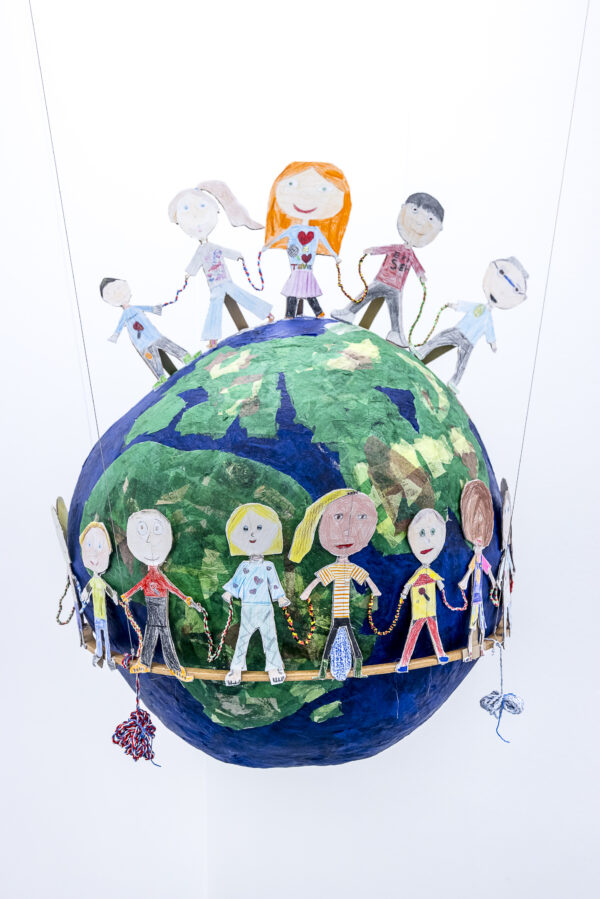
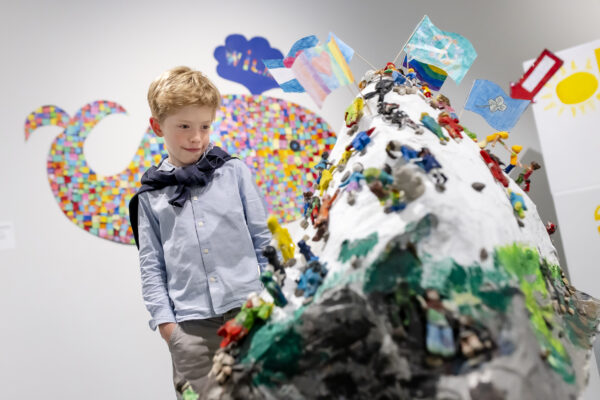
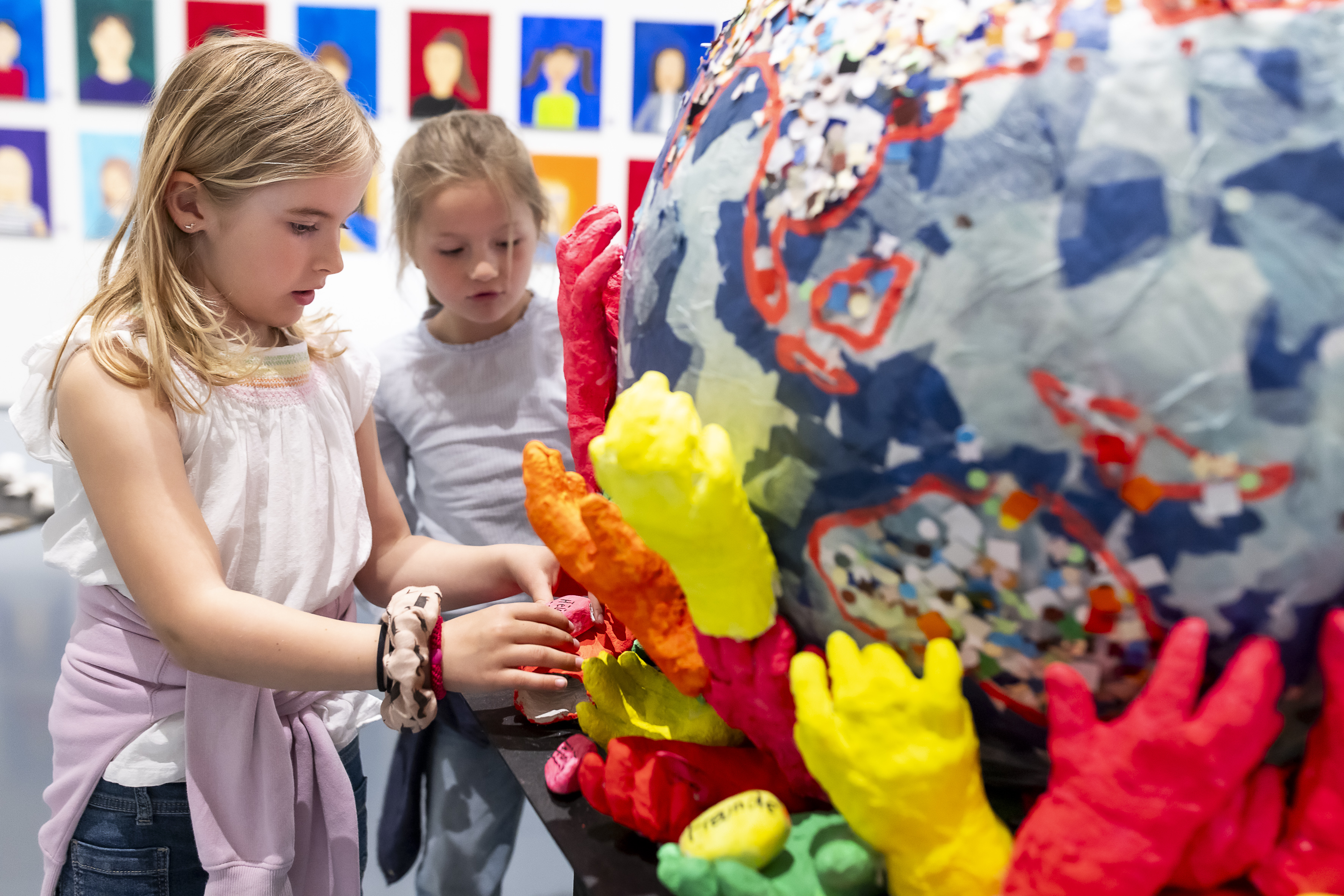
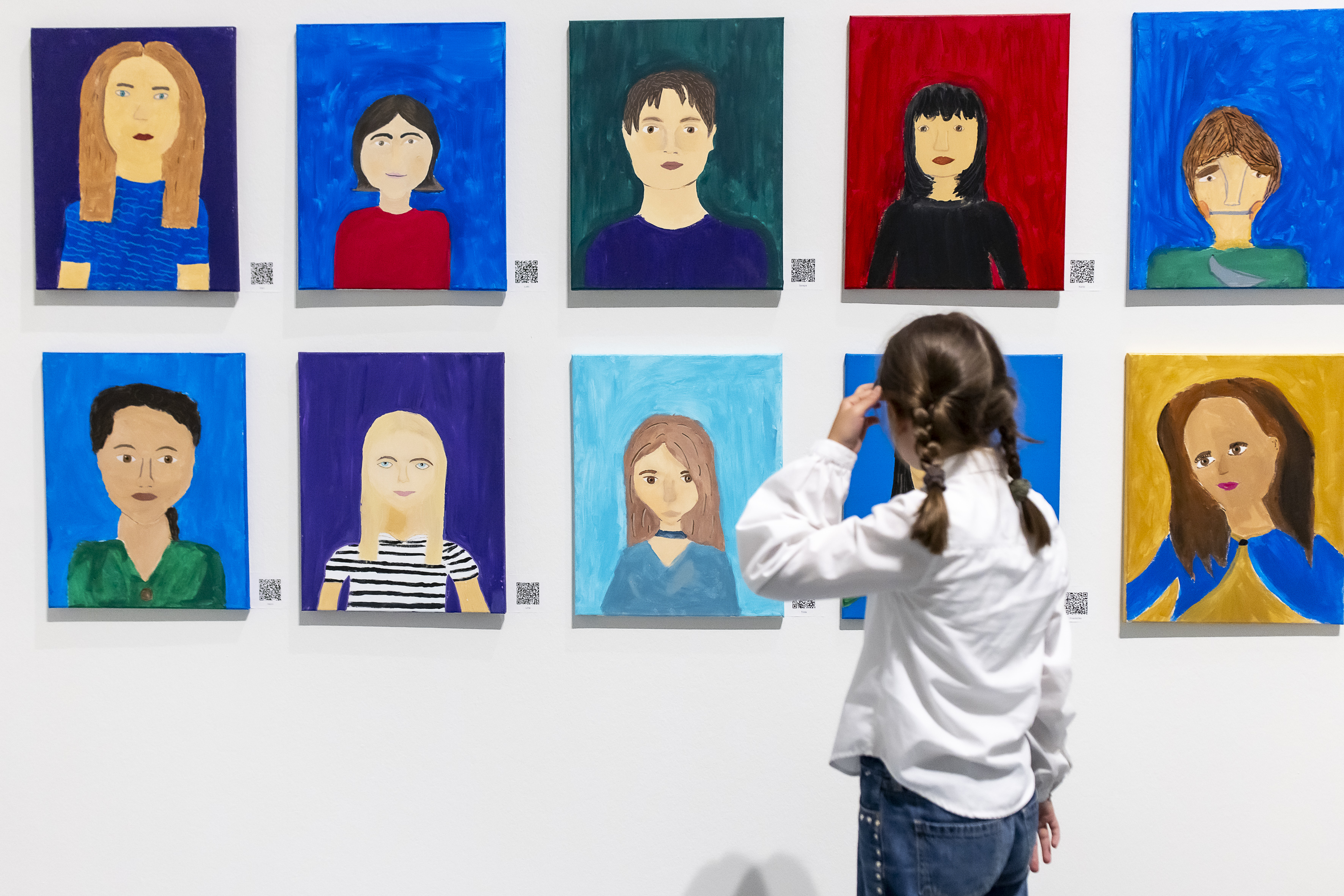
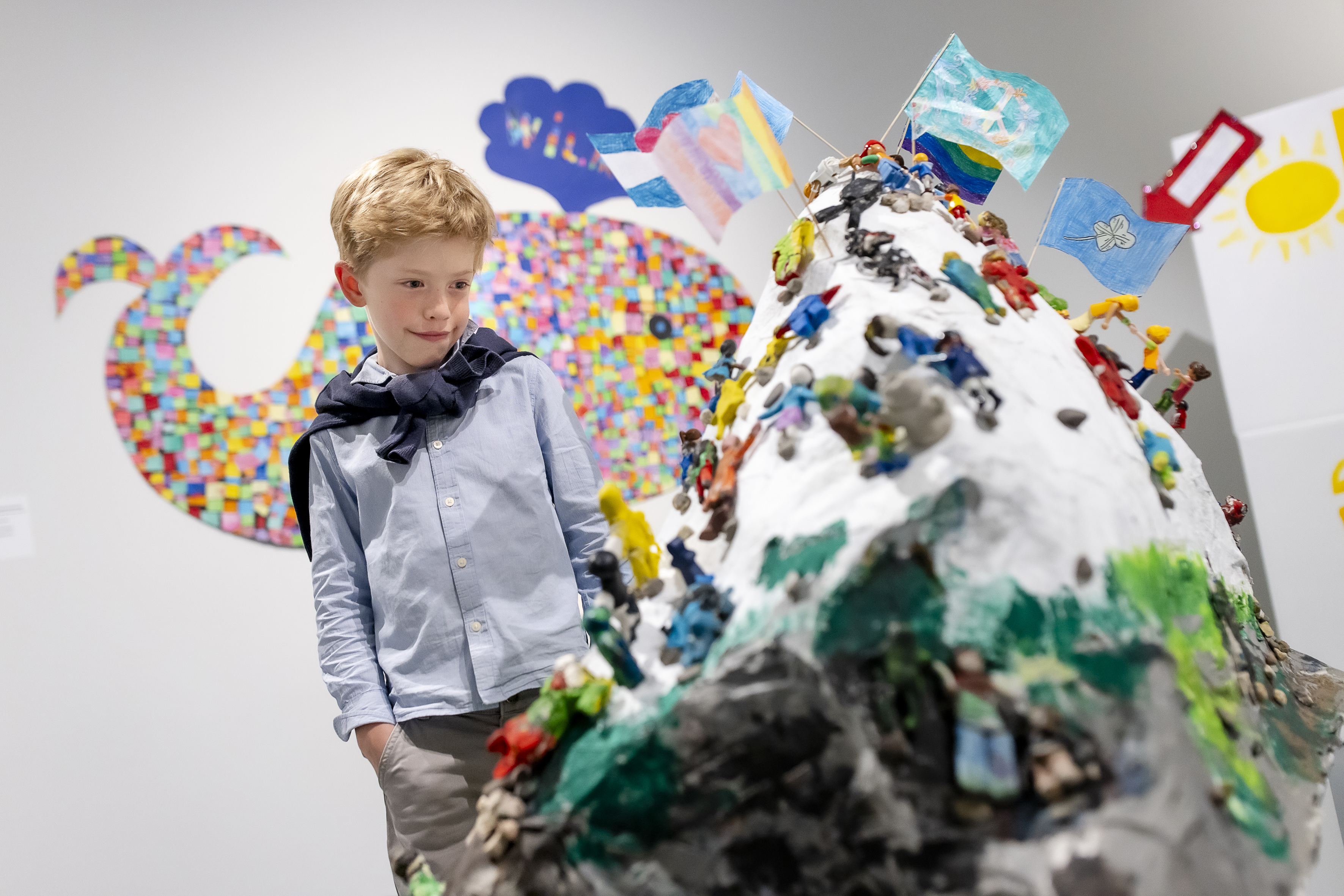
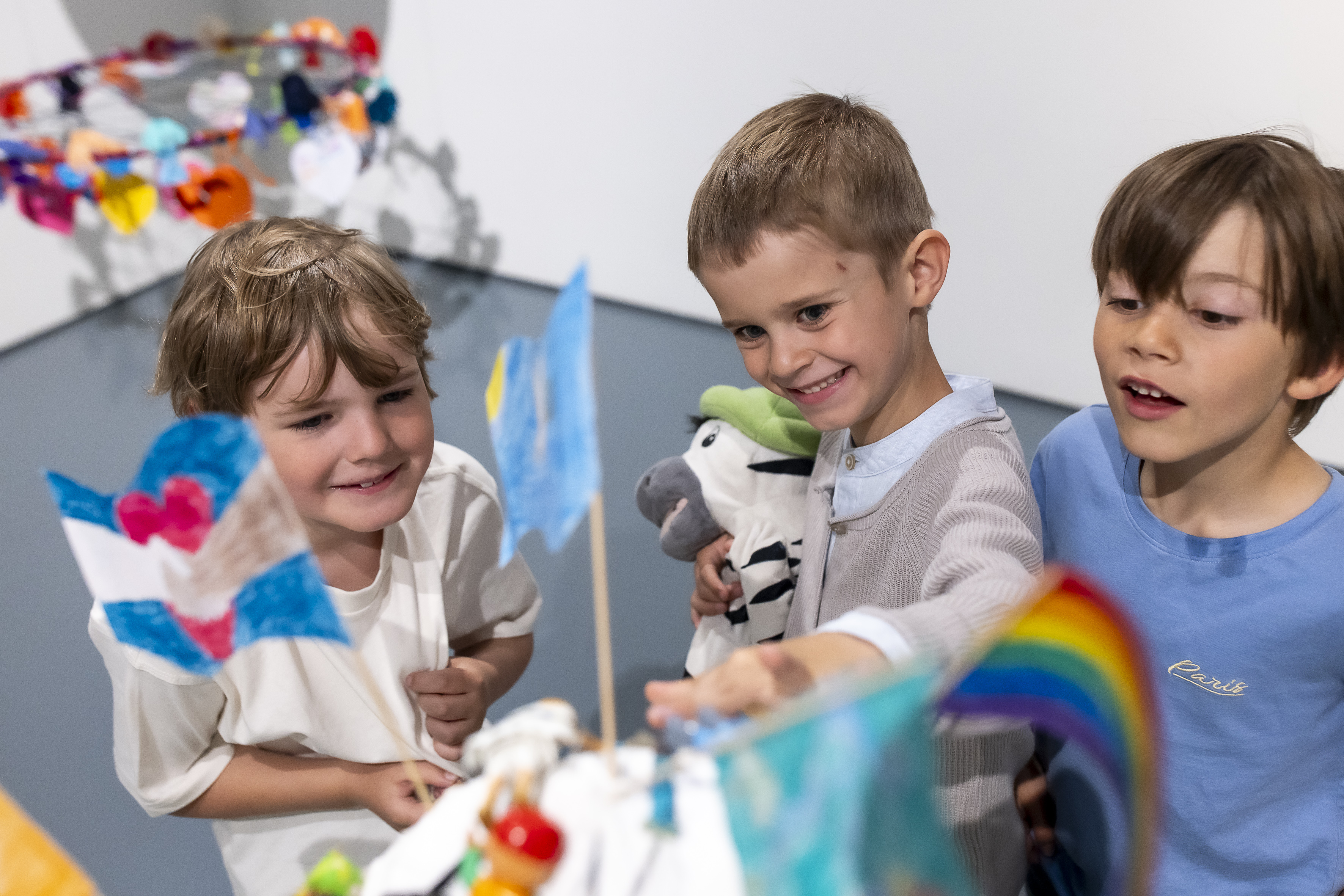
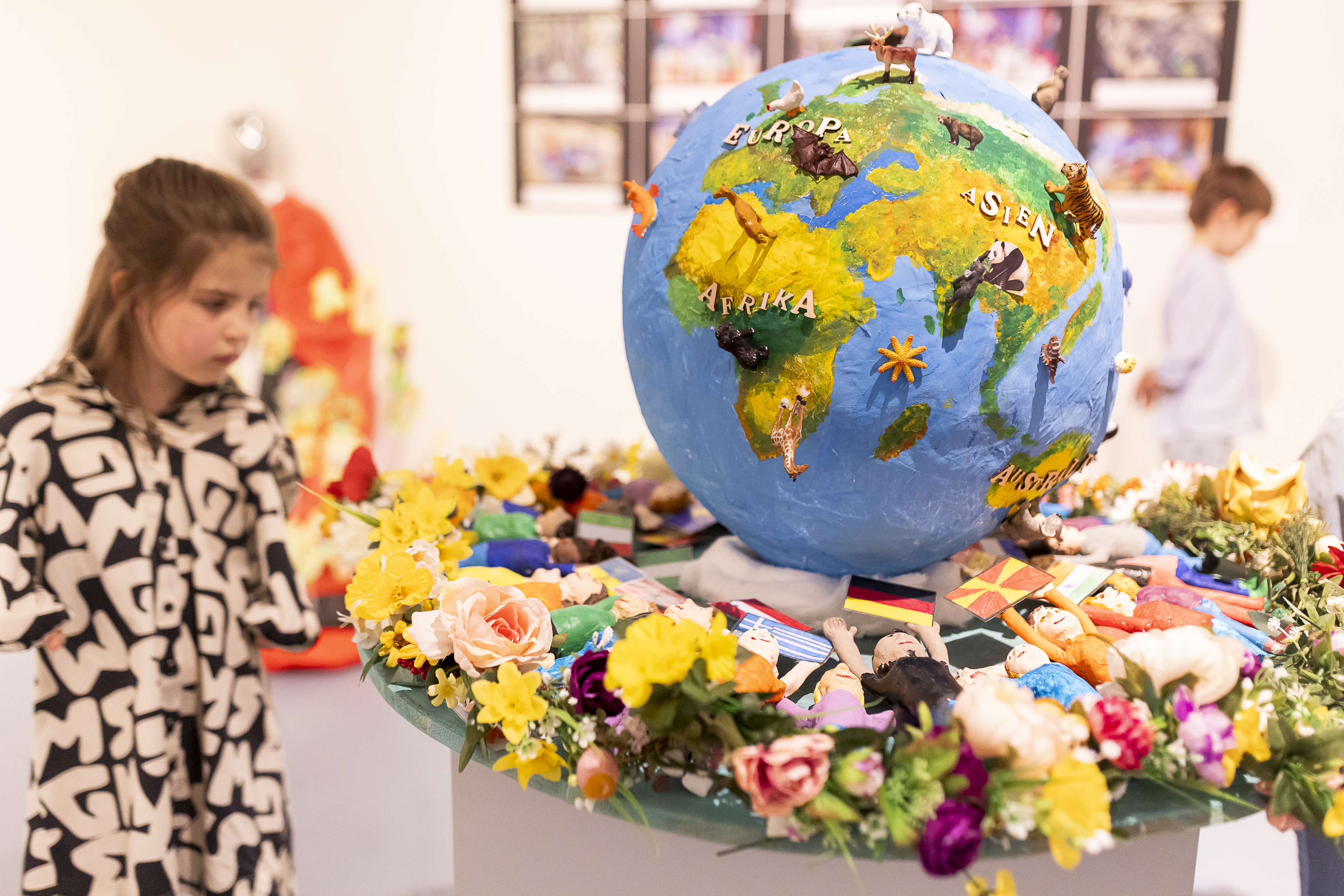
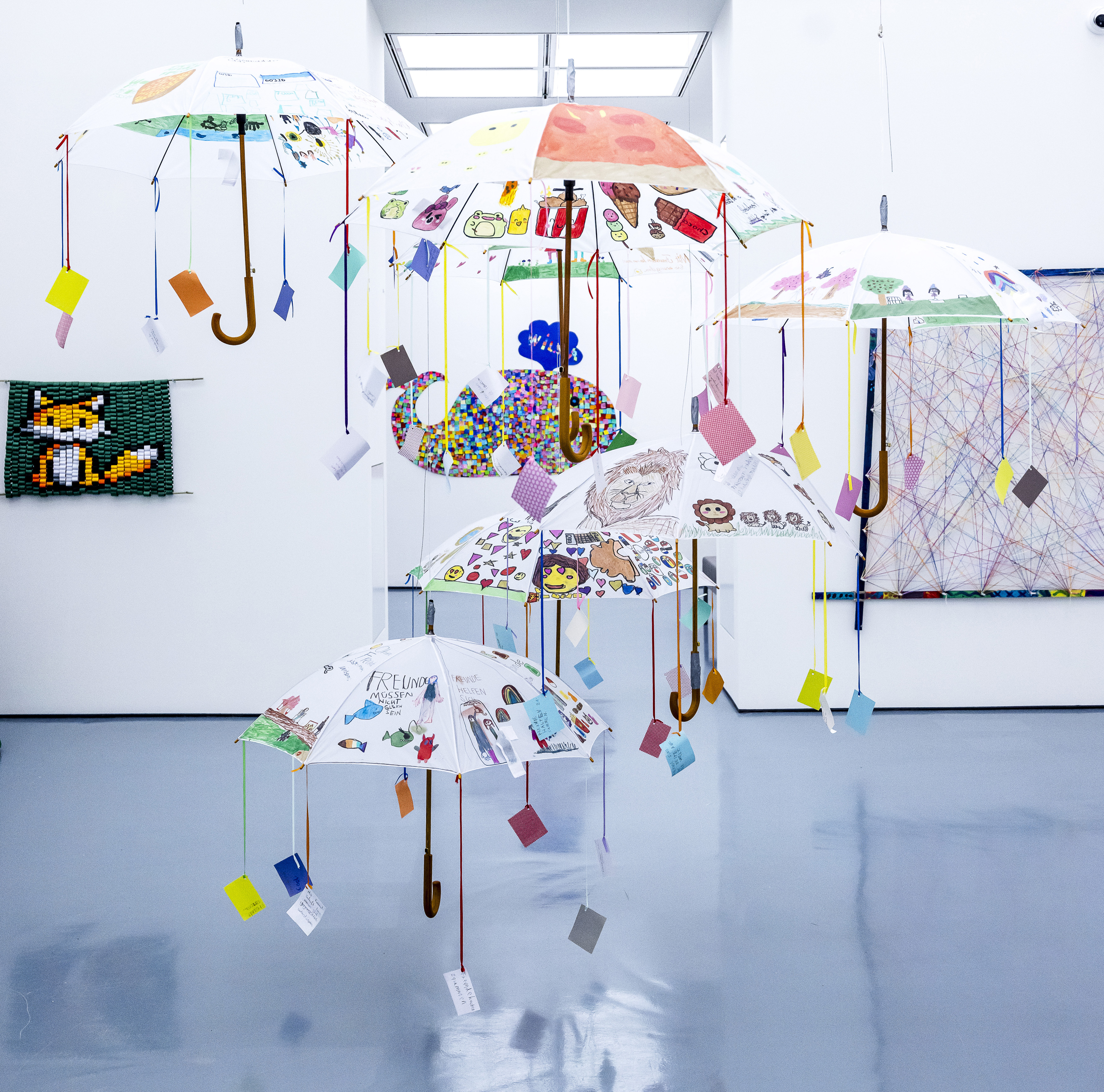
DIE KLEINE is the final exhibition of the art competition for primary schools, which has been organised annually by the Kunstpalast since 2019. All primary schools from Düsseldorf and the surrounding area can take part. The aim is to open up creative expression opportunities for children and familiarise them with the museum as an extracurricular place of learning.
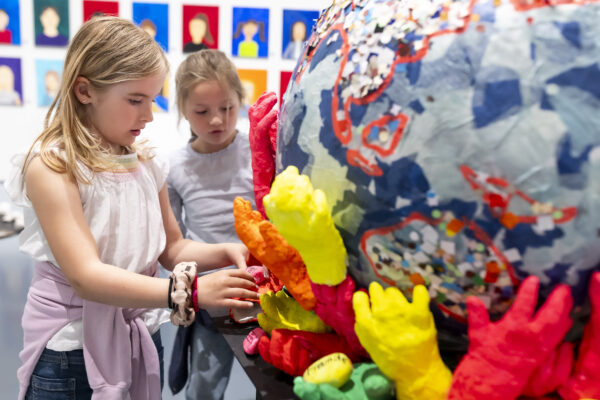
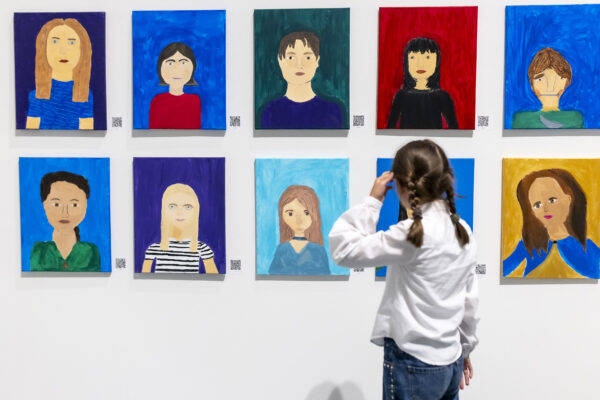
The competition theme for 2025 is: ‘Together we are strong! – Friendship and community’. Around 2,100 children from 80 school classes have created impressive works of art with great imagination and team spirit – from pictures, collages and objects to photos and films. All contributions will be presented at the Kunstpalast from May. Two prizes will also be awarded this year. The audience prize will go to the work with the most votes from visitors, while the ‘Kunstpreis DIE KLEINE’ will be awarded by a jury of experts. Both prizes are endowed with 1,000 euros each for a joint class excursion. The award ceremony will take place in Düsseldorf City Hall.
A high-quality catalogue with all the works on display will also be published to accompany the exhibition. Each participating child will receive their own copy.
Admission is free.
DIE KLEINE is under the patronage of Lord Mayor Dr Stephan Keller.
Curator: Friederike van Delden, Kunstpalast
Picture Gallery
 Brüder Grimm Schule, Klasse 4b
 Brehmschule Kunst AG
 Kronprinzenstr, Stufe 3
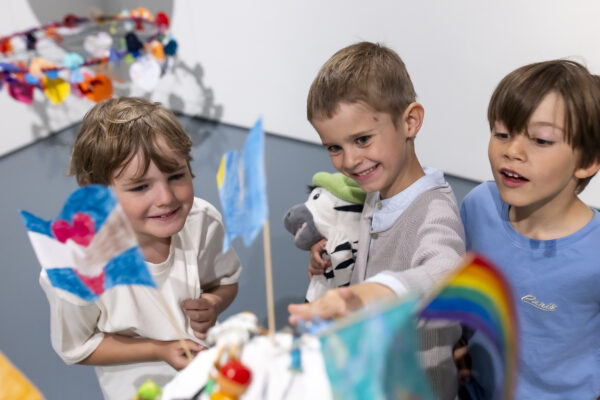 In der KLEINEN
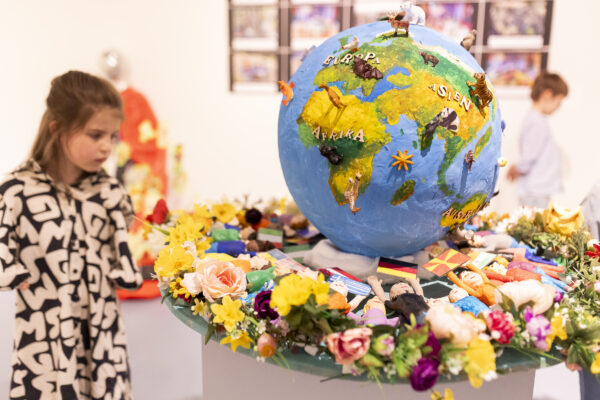 GGS Richardstraße, Löwenklasse
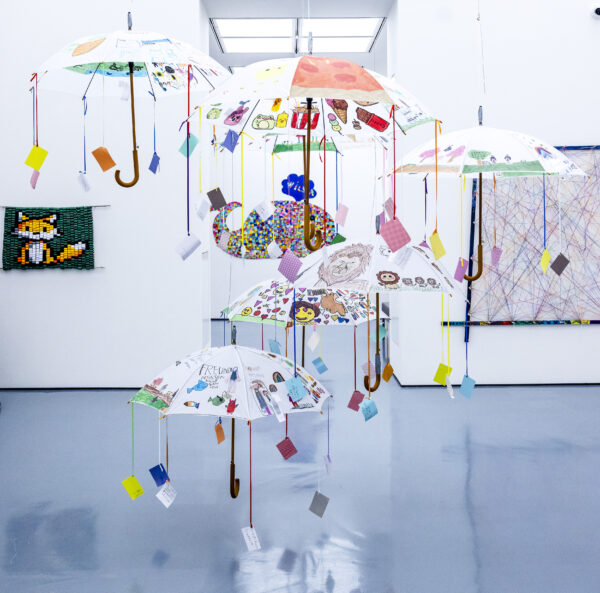 MGS Lindenstr, Löwenklasse
Sponsored by

Picture Credits
Picture Credits
DIE GROSSE
Kunstausstellung NRW Düsseldorf
29 June – 3 Aug 2025
Date
29 June – 3 Aug 2025
Location
» Kunstpalast & NRW-ForumAdmission: 16 € / concessions 12 €
Children / young people under 18: free
Members of Friends of the Kunstpalast: free

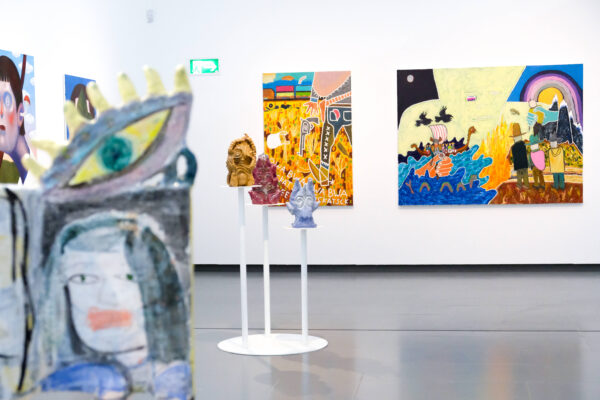
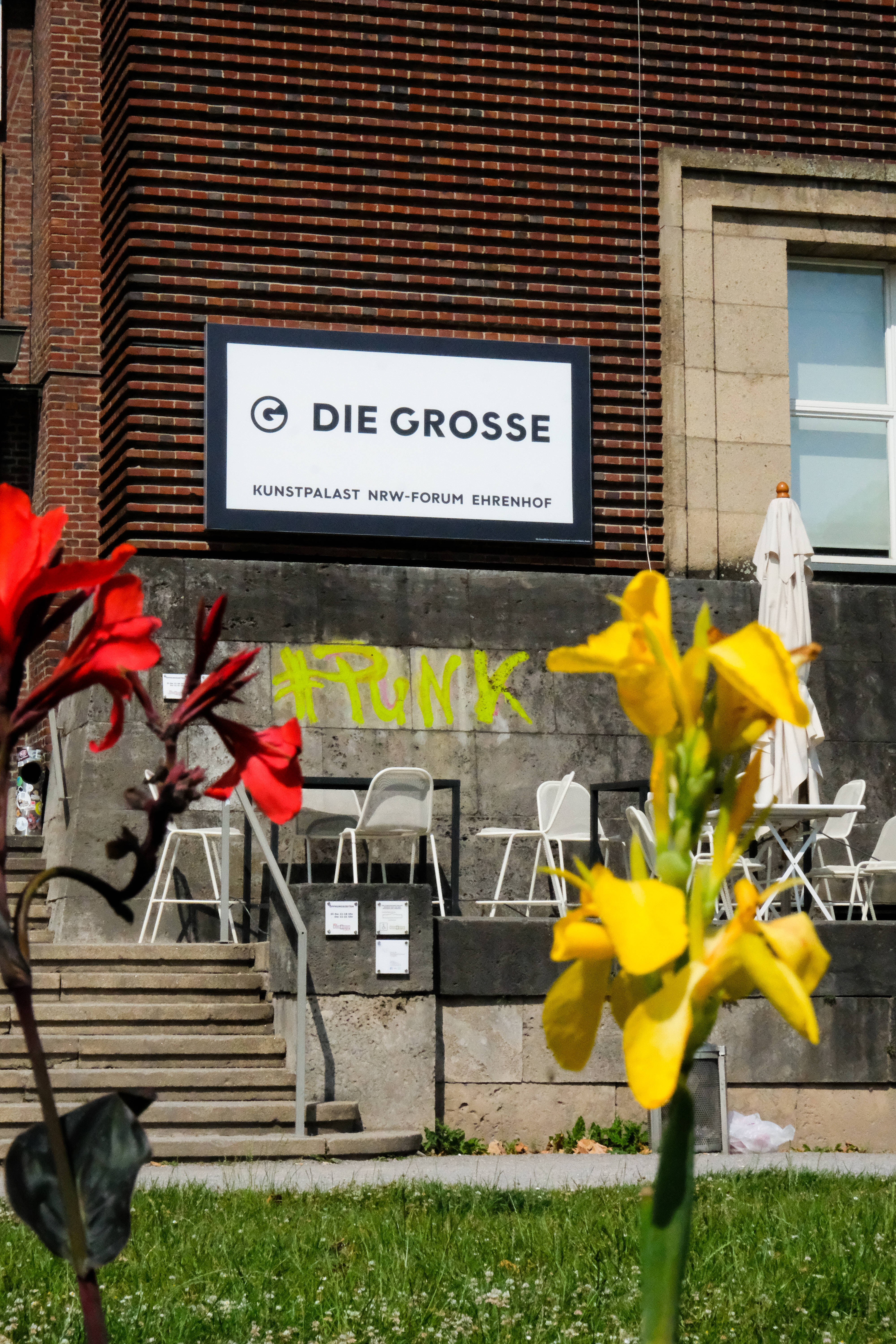
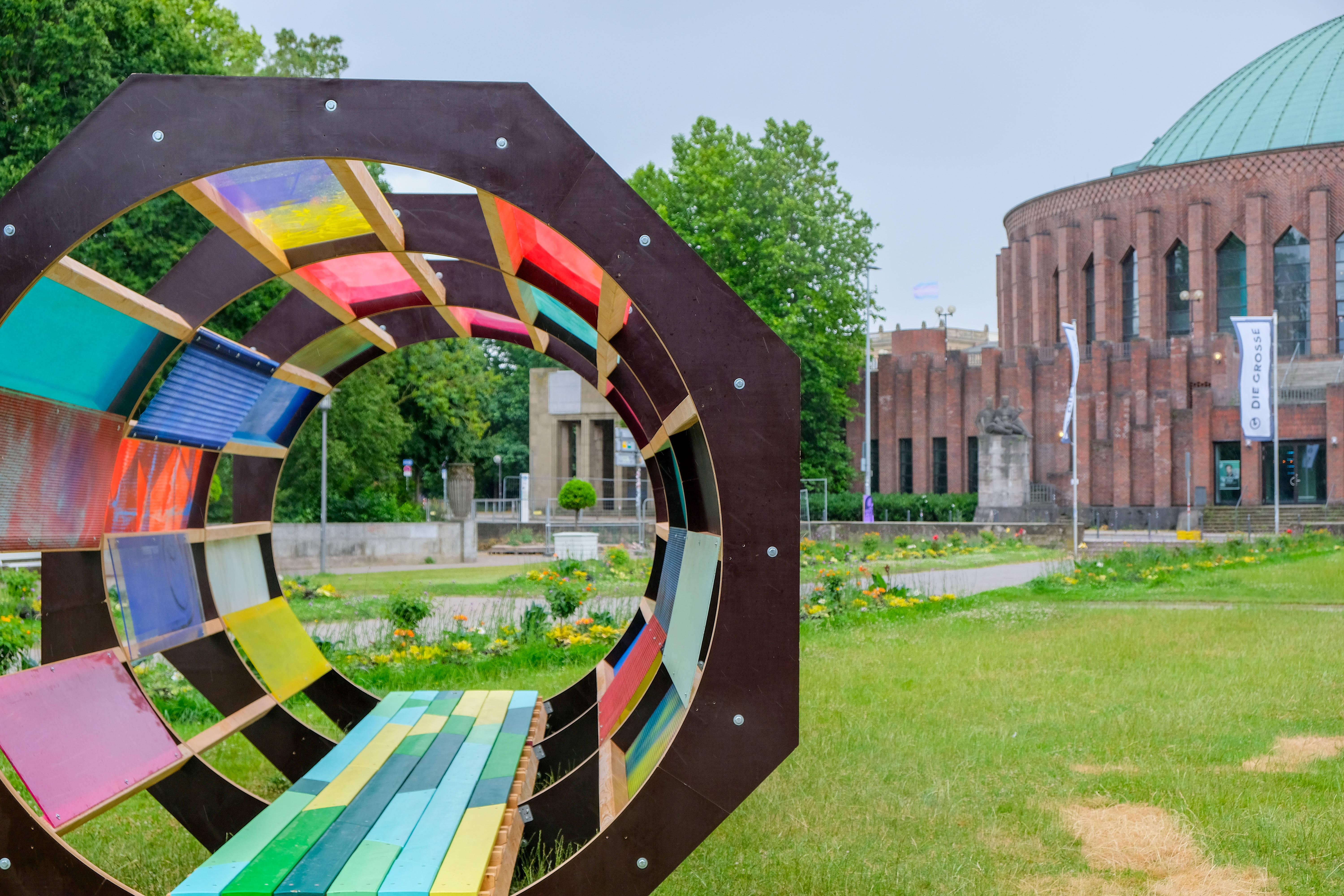
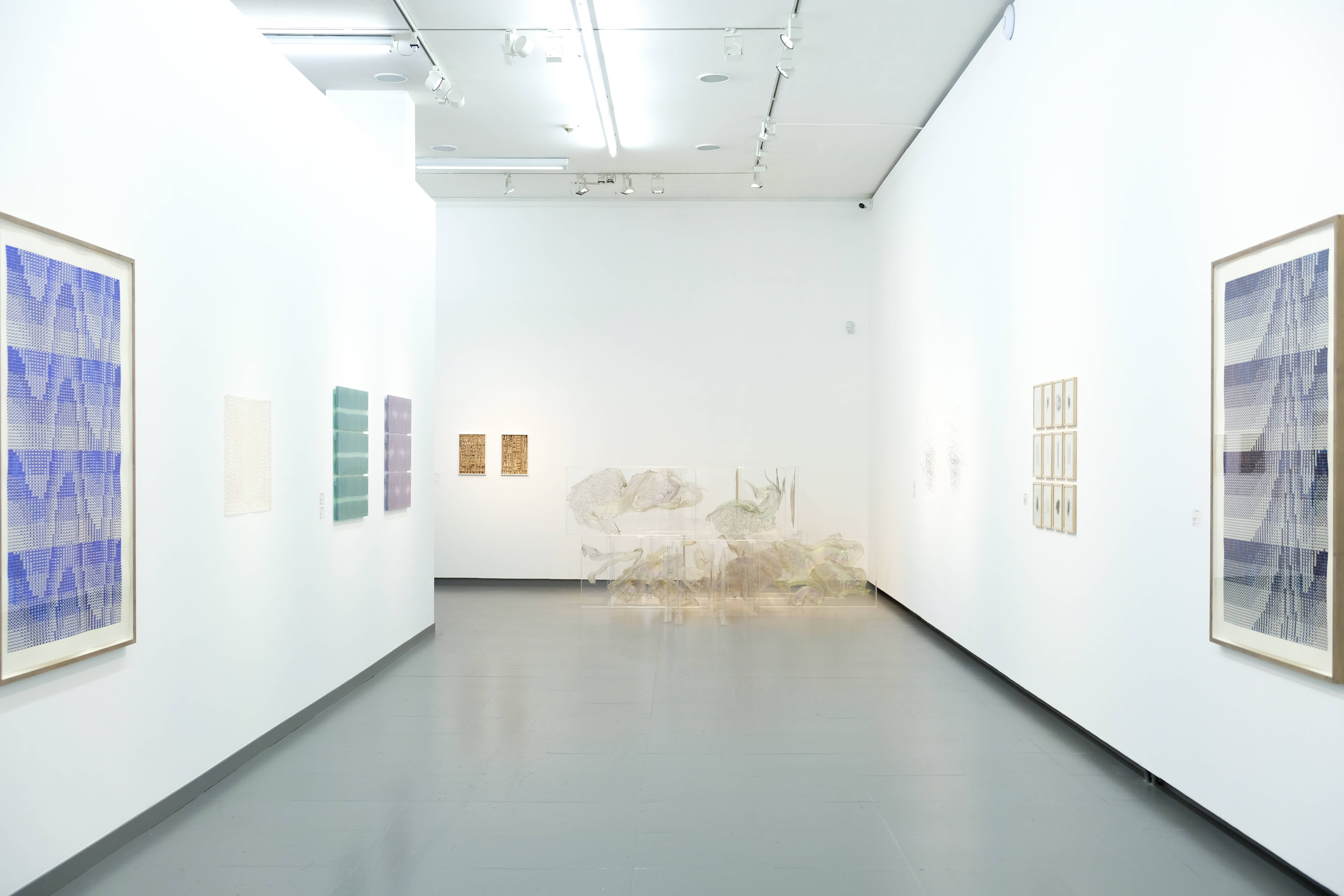
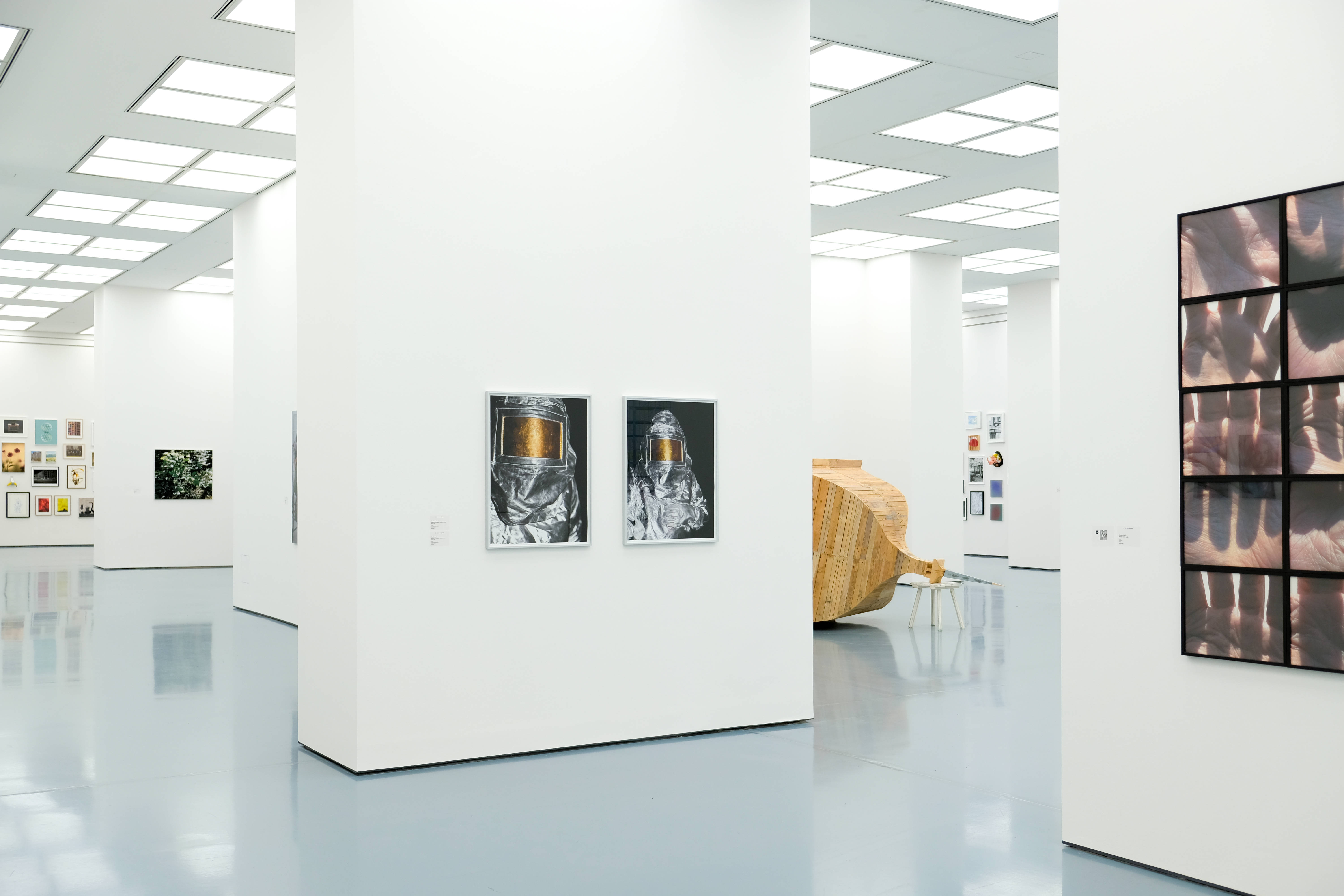
DIE GROSSE presents art from all over North Rhine-Westphalia every year. Organised by the VzVvK e.V., it traditionally takes place at the Kunstpalast and the NRW-Forum.
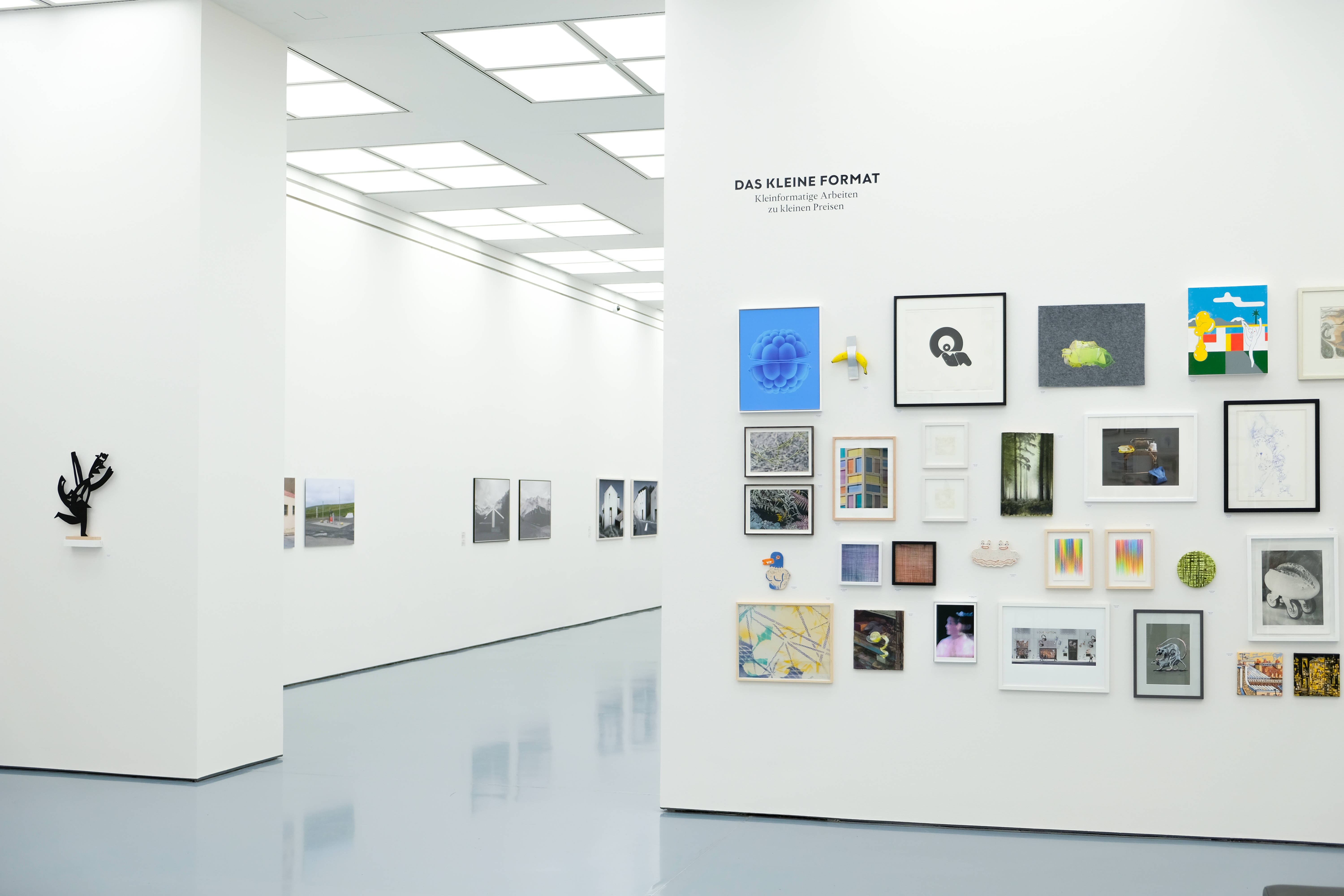
Works of art by around 180 artists from all disciplines, selected by a jury of experts, are shown in four halls and in the outdoor area. DIE GROSSE is a reflection of current developments in the art scene and is regarded as a meeting place for the professional sector. What makes it special: All works in the exhibition are for sale. DAS KLEINE FORMAT, a separate area with small-format artworks, offers art for as little as 300 euros! Visitors can also look forward to an exciting supporting programme on Thursdays and Sundays.
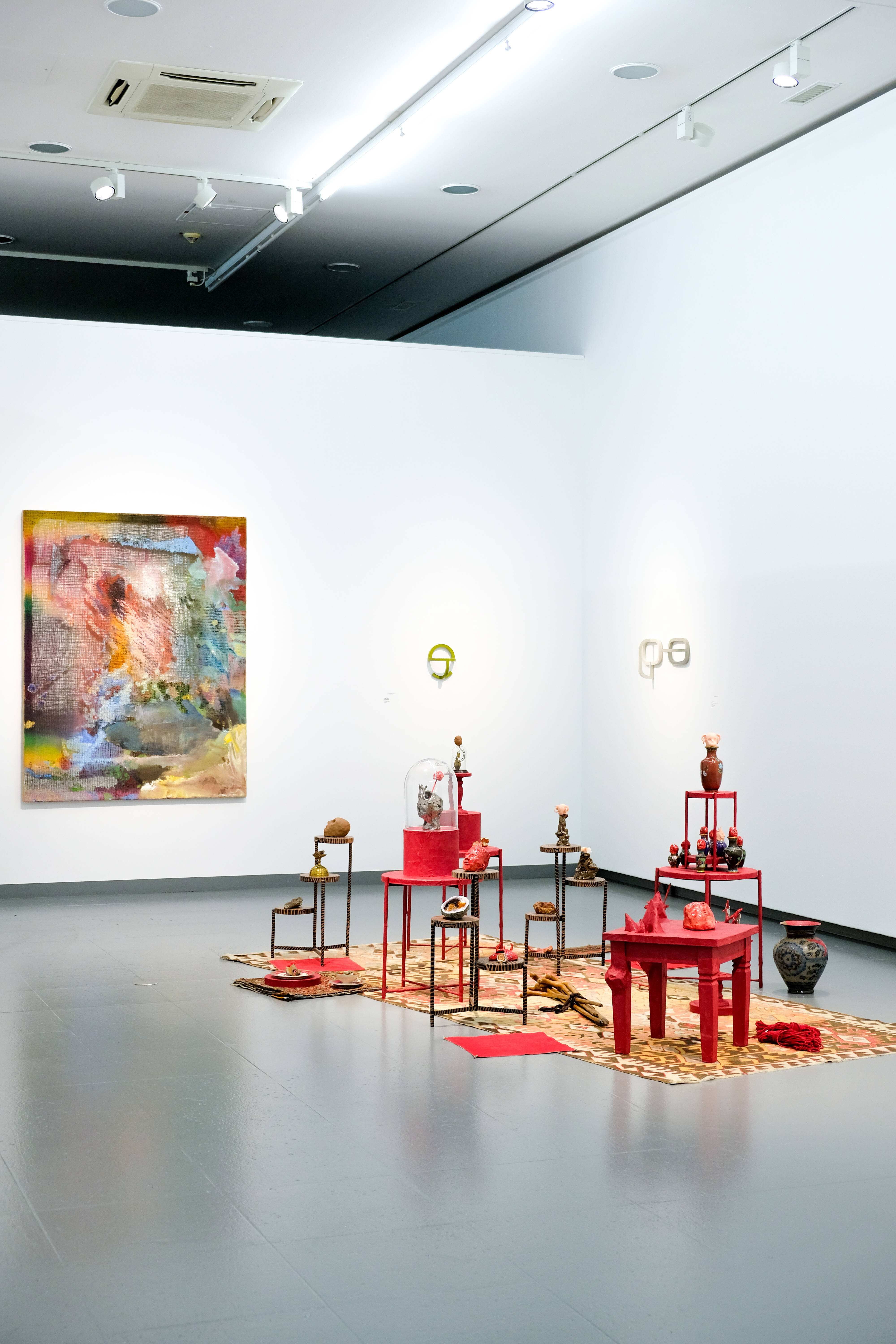
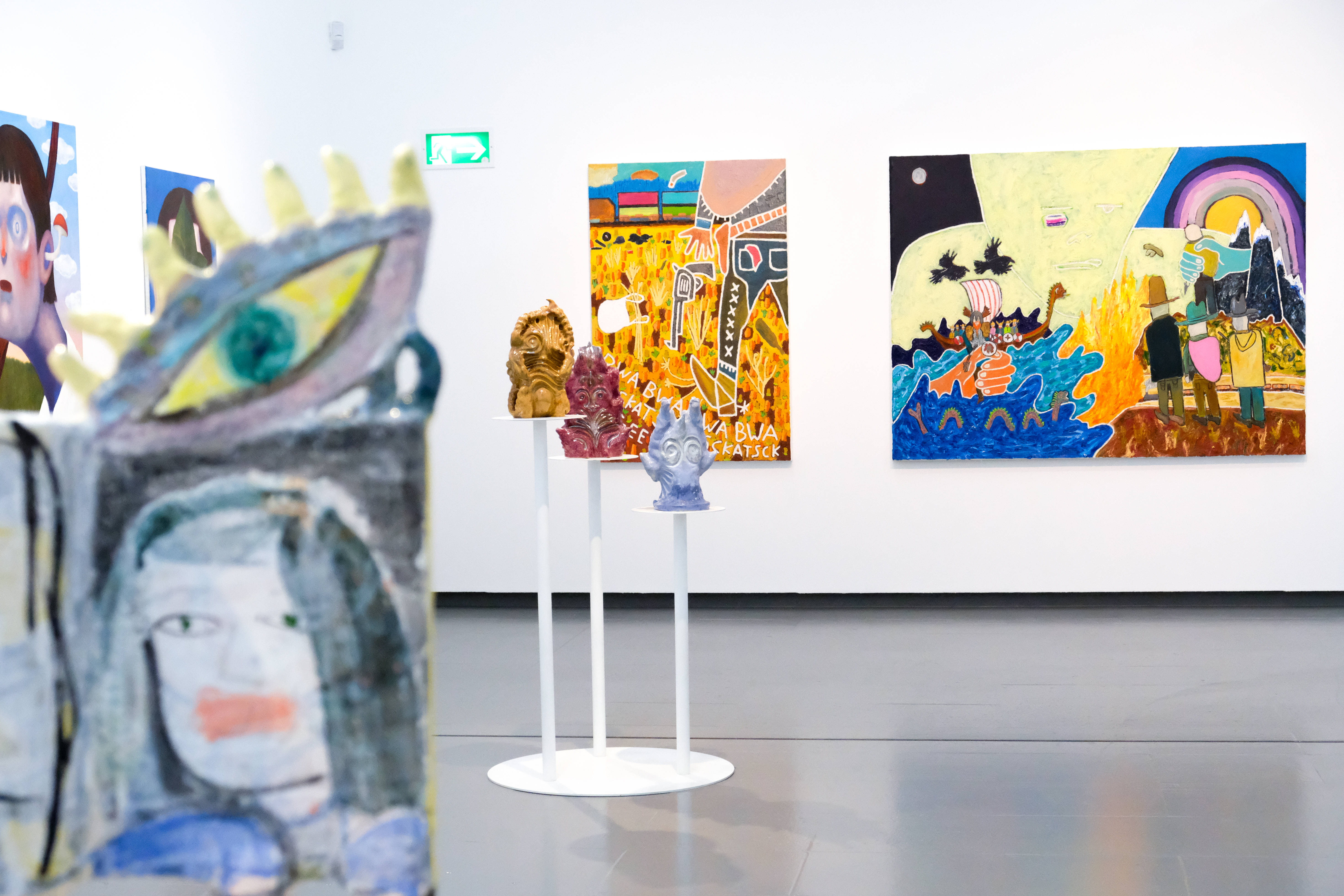
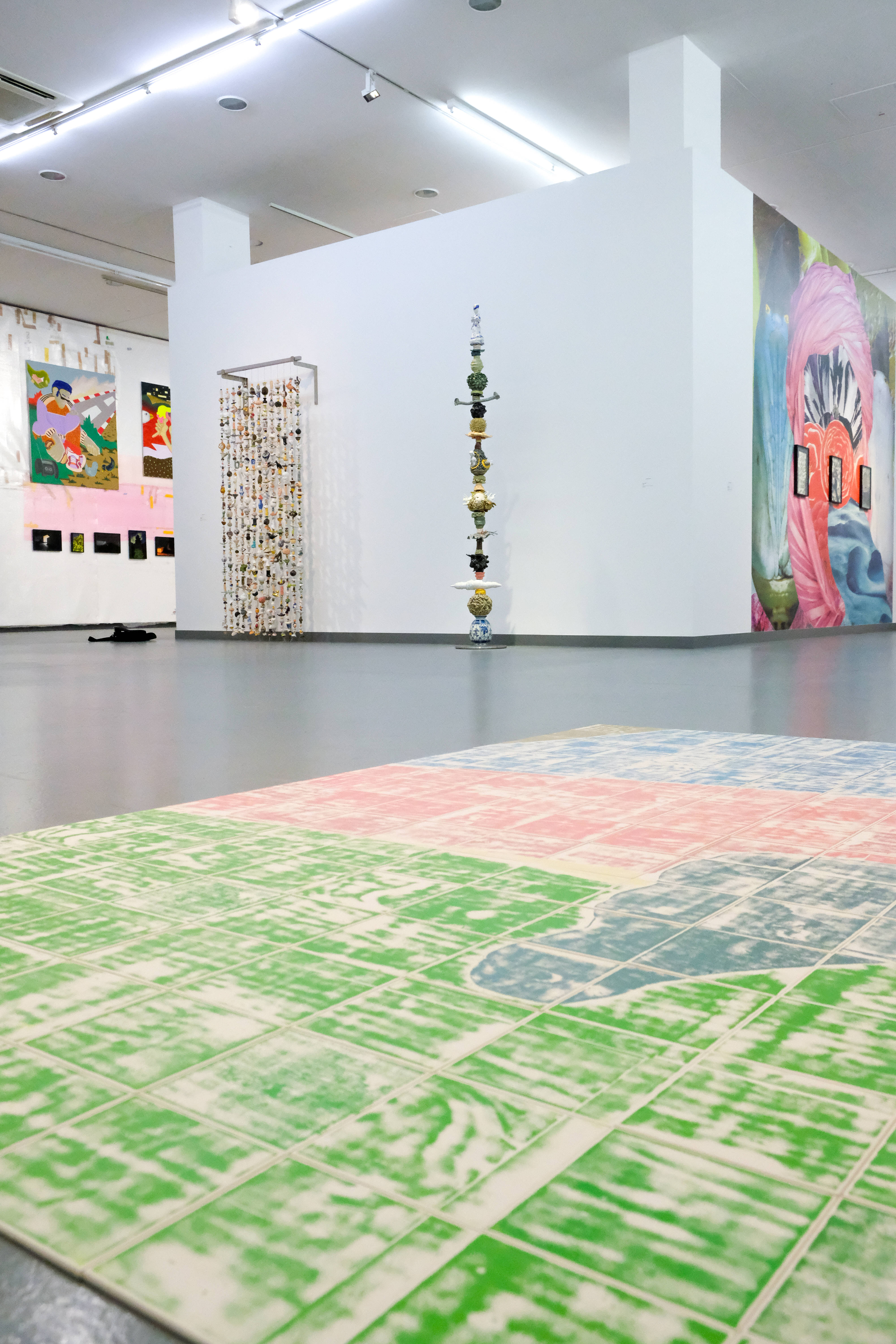
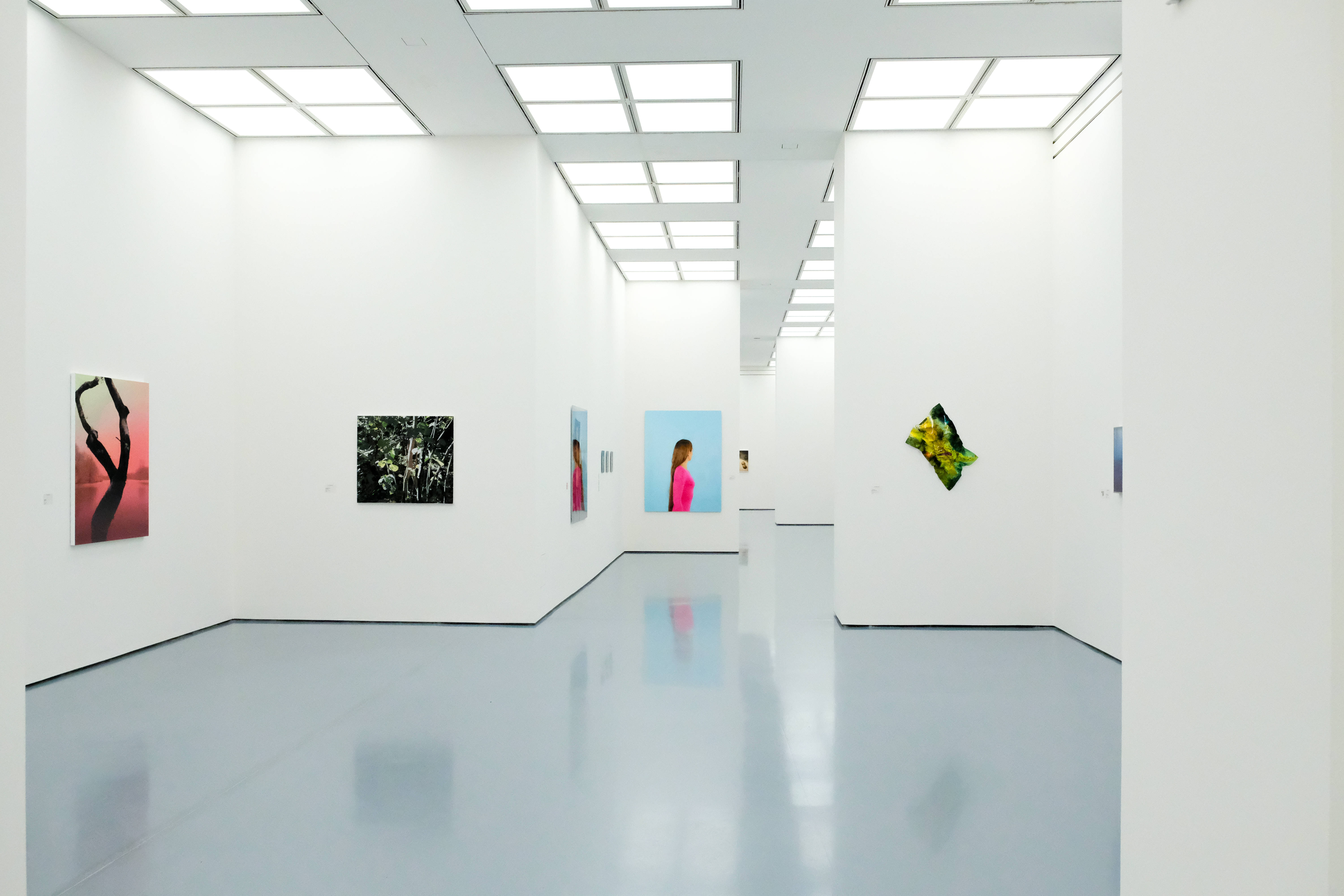
View in the exhibition
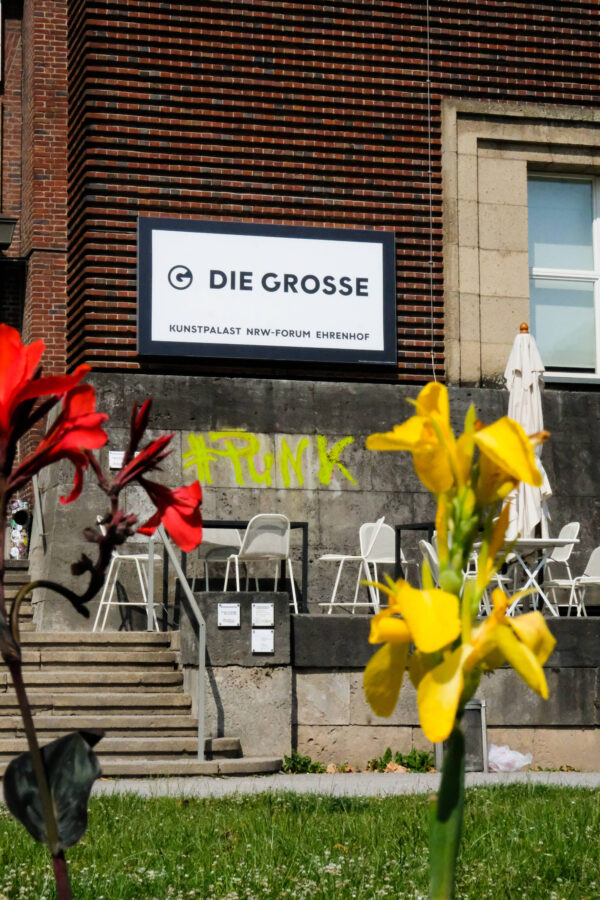 Photo: Morgaine Prinz
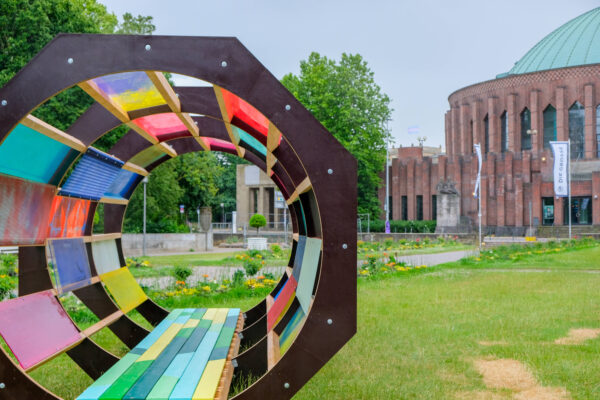 Photo: Morgaine Prinz
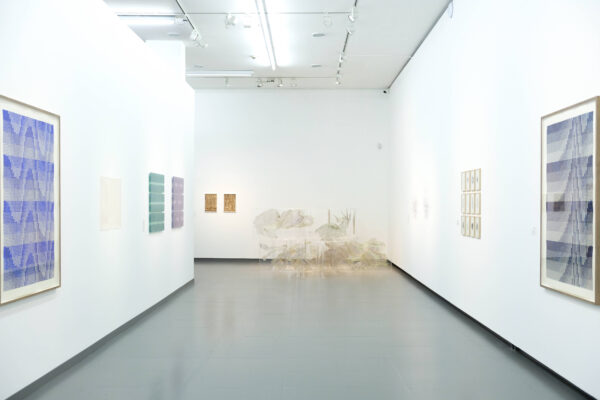 Photo: Morgaine Prinz
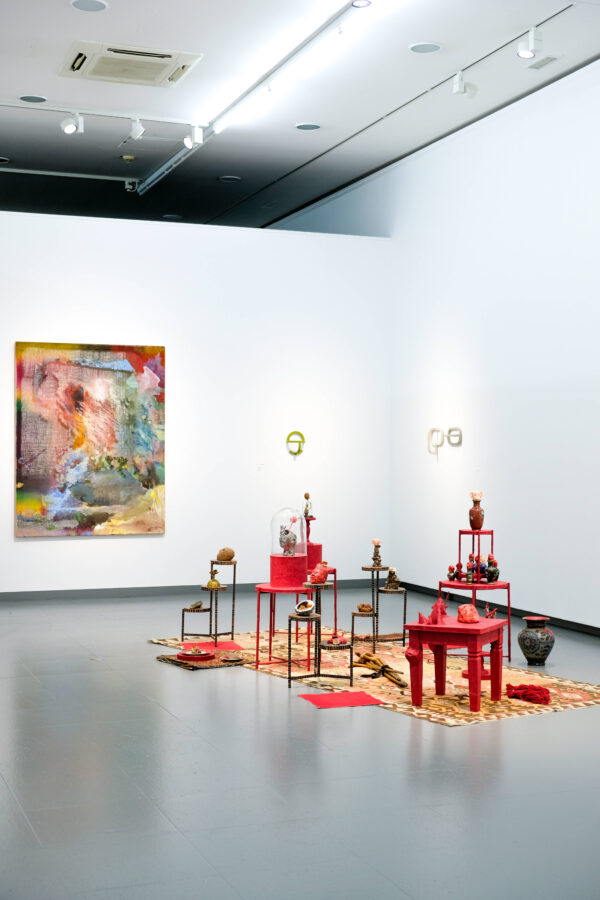 Photo: Morgaine Prinz
- Photo: Morgaine Prinz
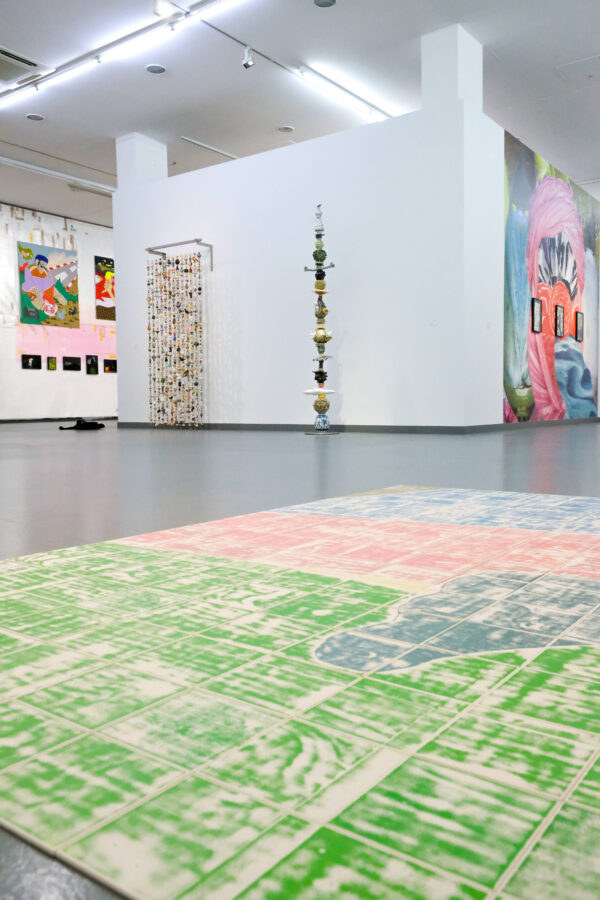 Photo: Morgaine Prinz
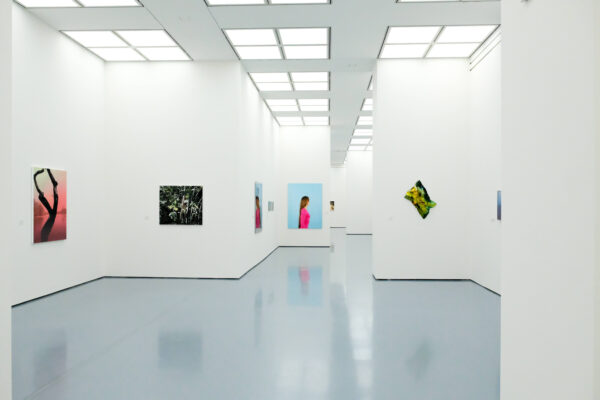 Photo: Morgaine Prinz
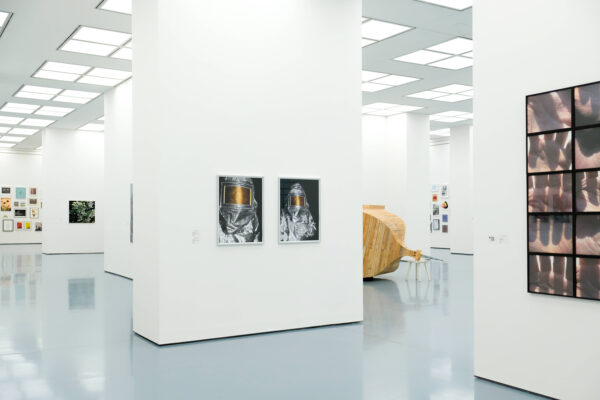 Photo: Morgaine Prinz
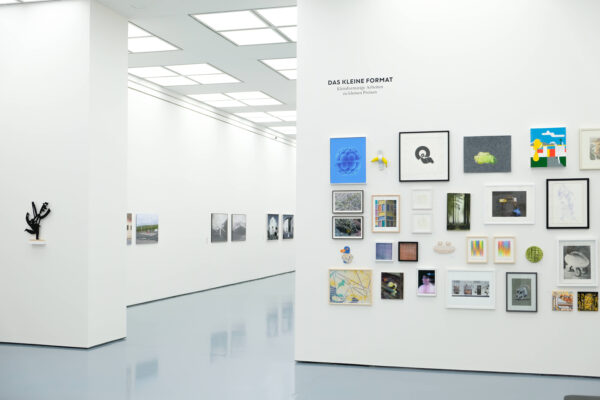 Photo: Morgaine Prinz
Women Artists!
From Monjé to Münter
25 September 2025 – 1 February 2026

Date
25 September 2025 – 1 February 2026
Location
» KunstpalastAdmission: 16 € / concessions 12 €
Children / young people under 18: free
Members of Friends of the Kunstpalast: free

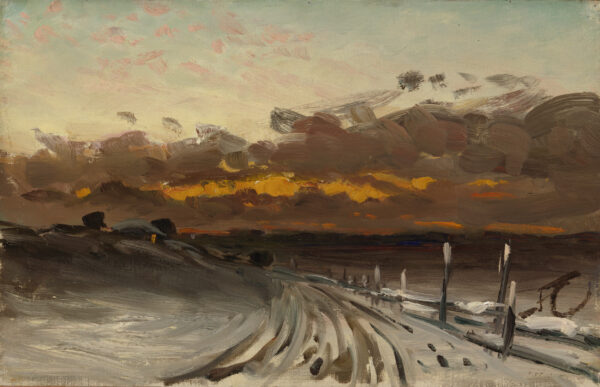
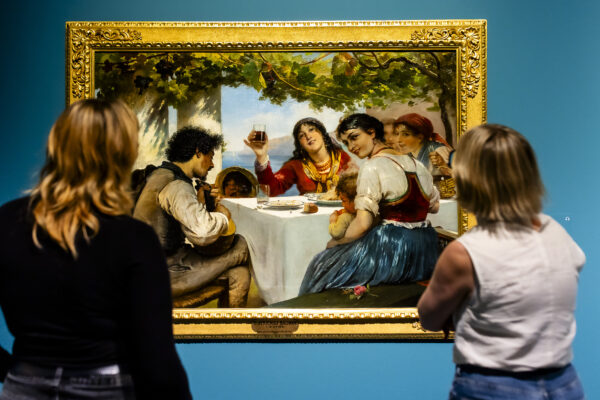
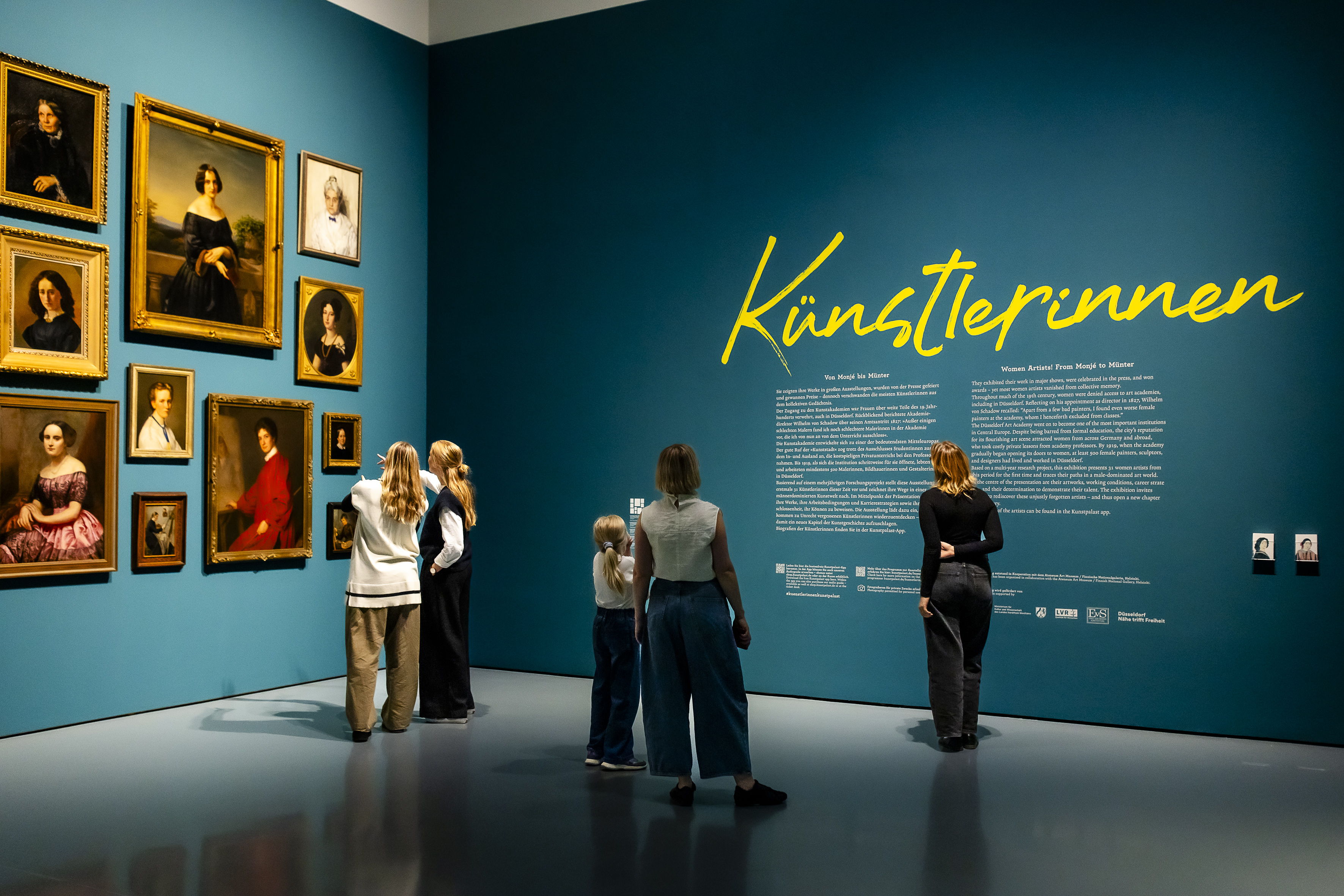
They fought for their education, for recognition and visibility – and yet they have disappeared almost completely from the history books. With the exhibition Women Artists! From Monjé to Münter, the Kunstpalast brings over 30 female artists back into the public eye.
The show offers an insight into around 100 years of female artistic creation in Düsseldorf – a city that was a beacon for women artists from all over Europe in the nineteenth century, even though the doors of the art academy remained closed to them.
Following a multi-year research project, this large-scale special exhibition is the first of its kind to comprehensively examine the lives and works of the women who were involved in the arts in Düsseldorf during this period: a (re)discovery that has rewritten a chapter of art history. “Every new difficulty was a new motivation for me,” wrote the painter Elisabeth Jerichau-Baumann around 1874 – a statement that reflects the attitude of many other women artists and could serve as the leitmotif of this exhibition.

The presentation highlights the perseverance and talent of generations of women in art who have long been ignored. Numerous works by the 31 featured artists are on display publicly for the first time since the nineteenth century. In addition to well-known names such as Gabriele Münter, this chronological and thematic presentation across eleven rooms showcases forgotten protagonists such as Amalie Bensinger, Magda Kröner and Marga Klinckenberg.
In 2021, the Kunstpalast initiated a research project that was the first to comprehensively search for evidence of women artists working in Düsseldorf between 1819 and 1919 – the 100 years between the re-establishment of the art academy and its gradual opening to women. The results surprised even the experts themselves: research carried out in archives, address books, exhibition catalogues and historical newspapers identified over 500 names – far more than the 200 or so that were previously known. Many of these women took private lessons, studied at the Kunstgewerbeschule (School of Applied Arts) or worked independently. Some were represented in international exhibitions, received prizes and scholarships, and had their works acquired by important collections. Nevertheless, they remain largely unknown today, as their names did not find their way into the artistic canon.

The exhibition is the result of extensive in-depth research as well as a critical examination of the history of the museum’s own collection. Indeed, the Kunstpalast – founded in 1913 as the Düsseldorf Municipal Art Collections – played a role in this structural exclusion: prior to 1933, the museum had only purchased four paintings by women artists. It was not until recent decades that a significant shift began to take place. Since 2017, under the direction of Felix Krämer, there has been a targeted acquisition of works by women artists, including 15 paintings by nineteenth-century artists such as Emilie Preyer, Paula Monjé and Emmy Lischke, who are represented in the exhibition.
The exhibition uncovers buried histories and sheds light on the ways in which women pursued their artistic careers despite structural disadvantages. It shows courageous paths and smart decisions, telling the story of women artists whose work paved the way for what should be the norm today: equal opportunities for all, including in the arts.
There is also a special focus on women artists from Scandinavia and Finland who chose Düsseldorf as a venue for their education and inspiration. The exhibition was conceived in close cooperation with the Ateneum Art Museum / Finnish National Gallery in Helsinki, which hosted the exhibition Crossing Borders: Travelling Women Artists in the 1800s from March to August 2025 and attracted over 200,000 visitors.
Women Artists! is more than merely a historical retrospective – the exhibition makes a clear statement in favour of equality and a critical reappraisal of the existing canon. It adds an important and long-overlooked chapter to art history and makes clear that without the influence of women artists, the history of art is incomplete.
Curator: Kathrin DuBois, Head of Painting until 1900
Research Assistant: Nina Köppert
Research Intern: Hannah Steinmetz

Artists represented in the exhibition:
Victoria Åberg | Amalie Bensinger | Fanny Churberg | Mathilde Dietrichson | Alma Erdmann | Ilna Ewers-Wunderwald | Alexandra Frosterus-Såltin | Marta Hegemann | Minna Heeren | Adeline Jaeger | Elisabeth Jerichau-Baumann | Marga Klinckenberg | Benita Koch -Otte | Magda Kröner | Gertrud von Kunowski | Marie Laurencin | Emmy Lischke | Amalia Lindegren | Luise von Martens | Paula Monjé | Gabriele Münter | Emilie Preyer | Sophie Ribbing | Julia Schily-Koppers | Christiane Schreiber | Martel Schwichtenberg | Alwine Schroedters | Hermine Stilke | Milly Steger | Emma Volck | Marie Wiegmann
Exhibition
catalogue
Edited by Kathrin DuBois | 208 pages | 160 colour illustrations | 23.5 x 28.5 cm | German | Hardcover

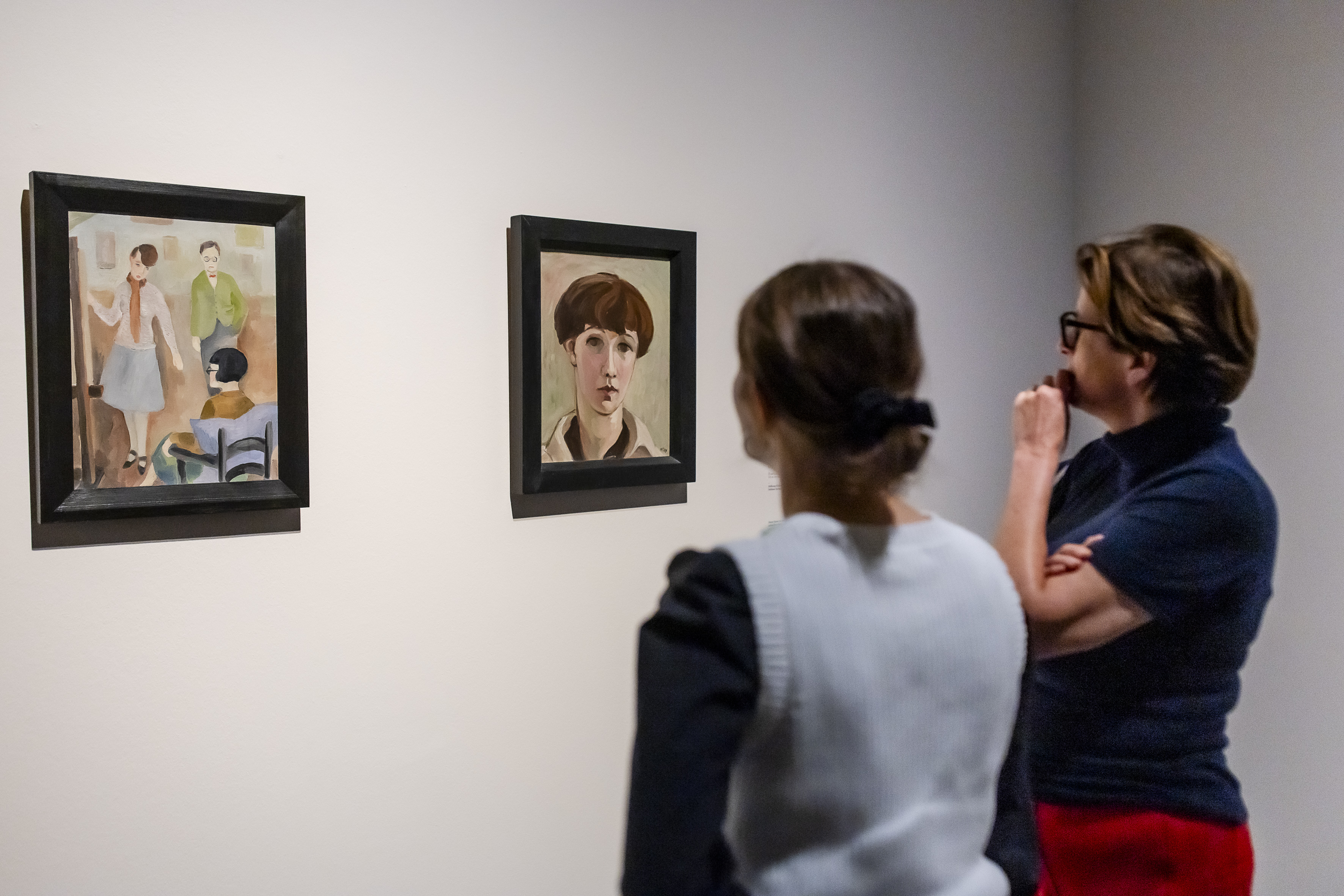
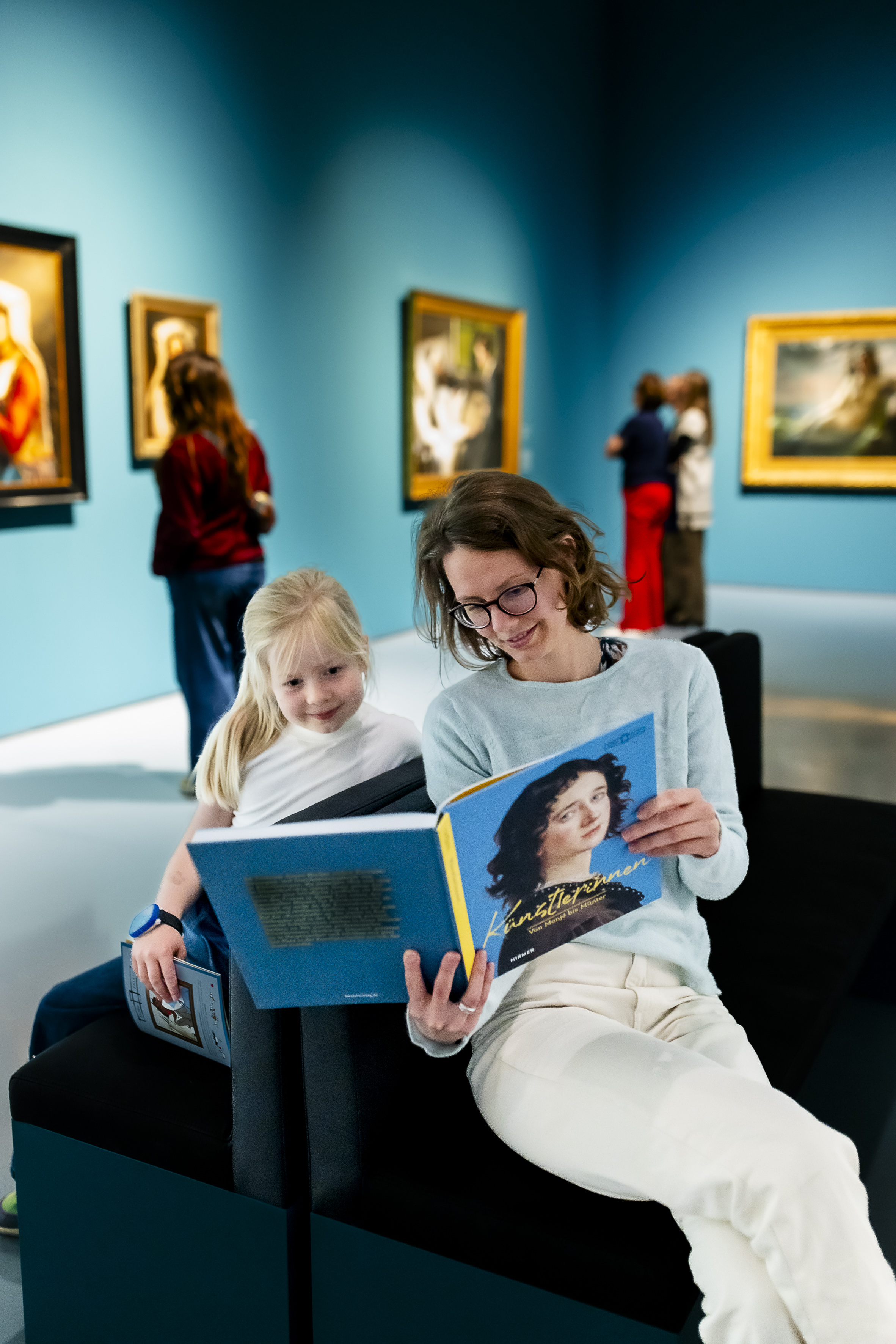
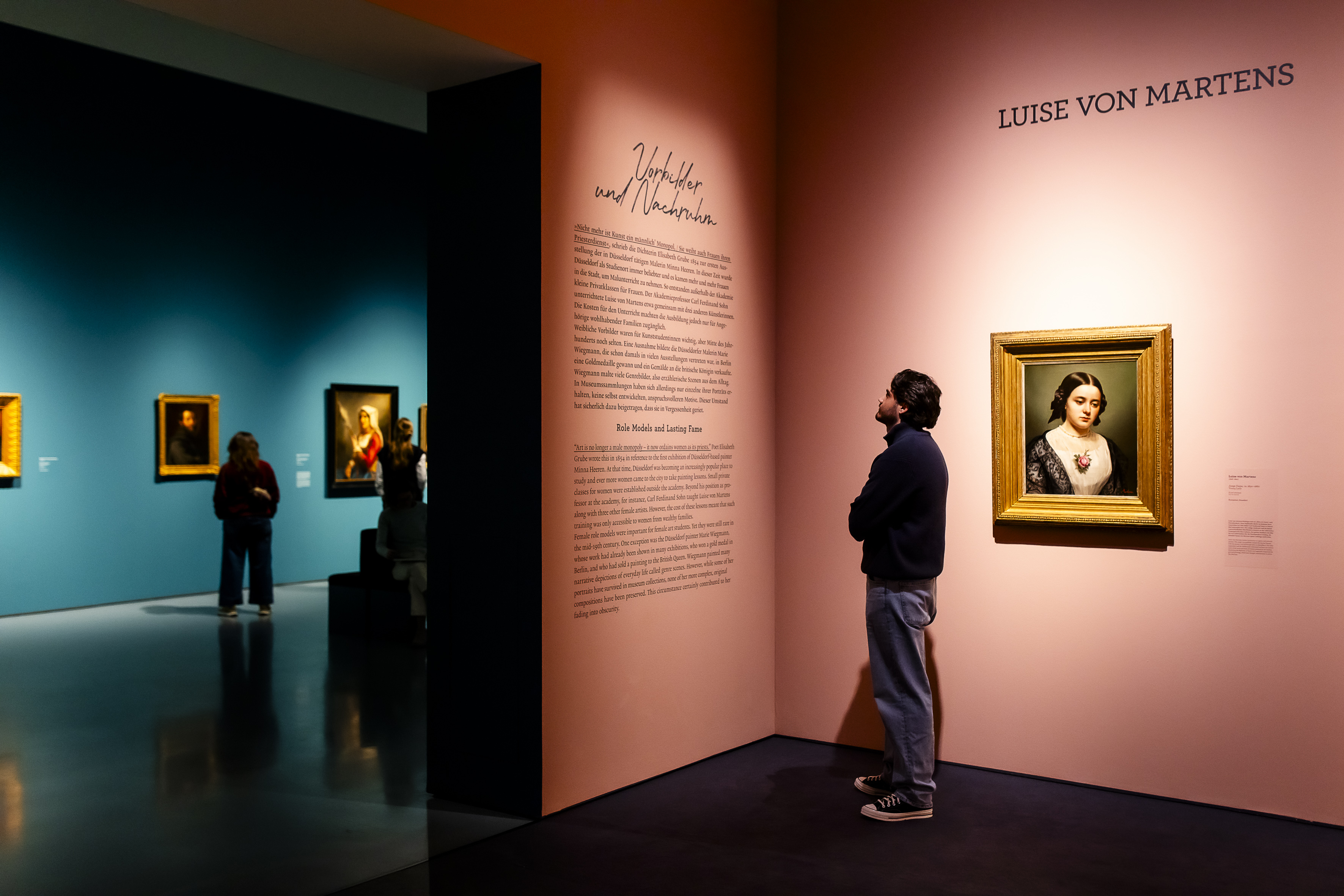
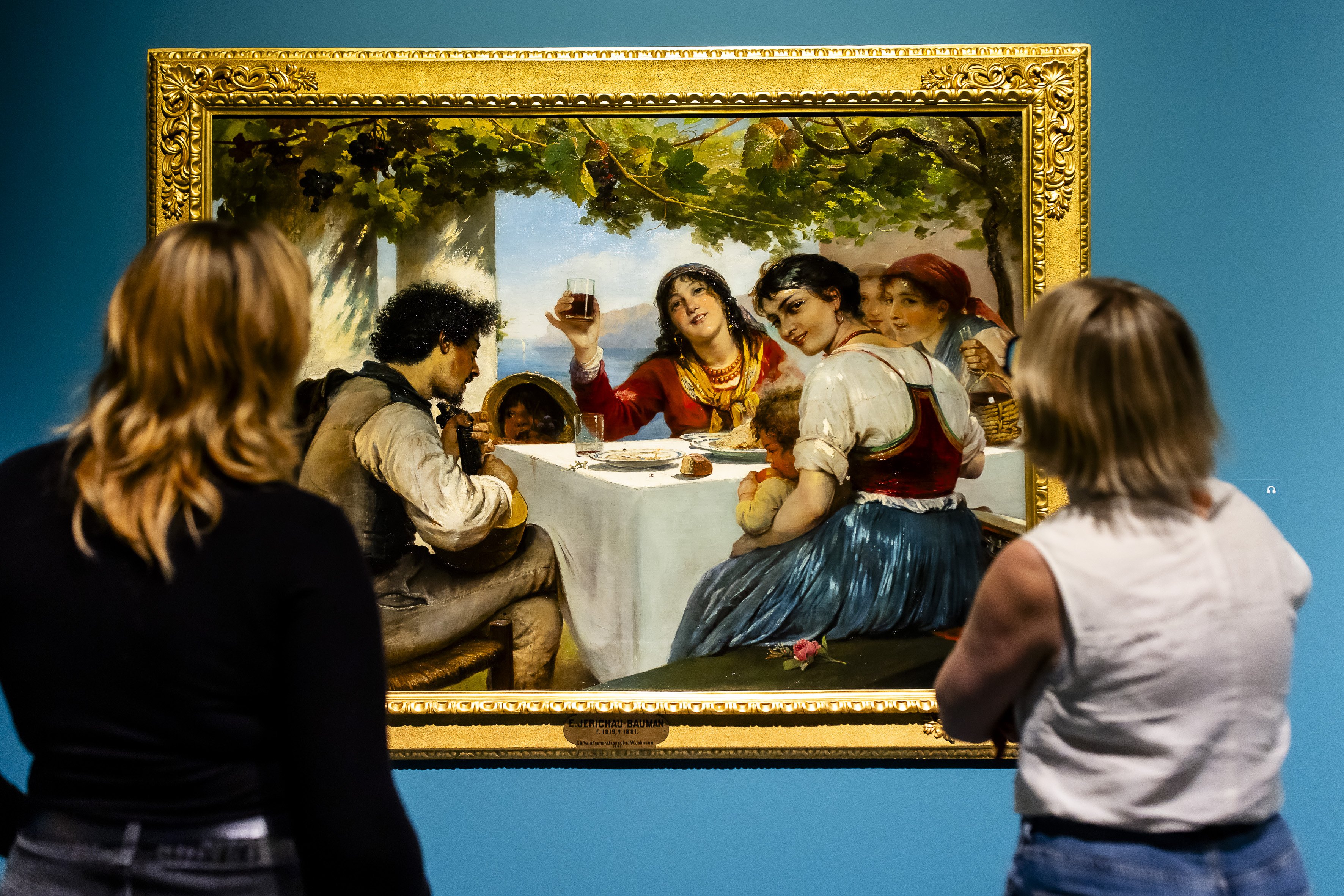
View of the exhibition
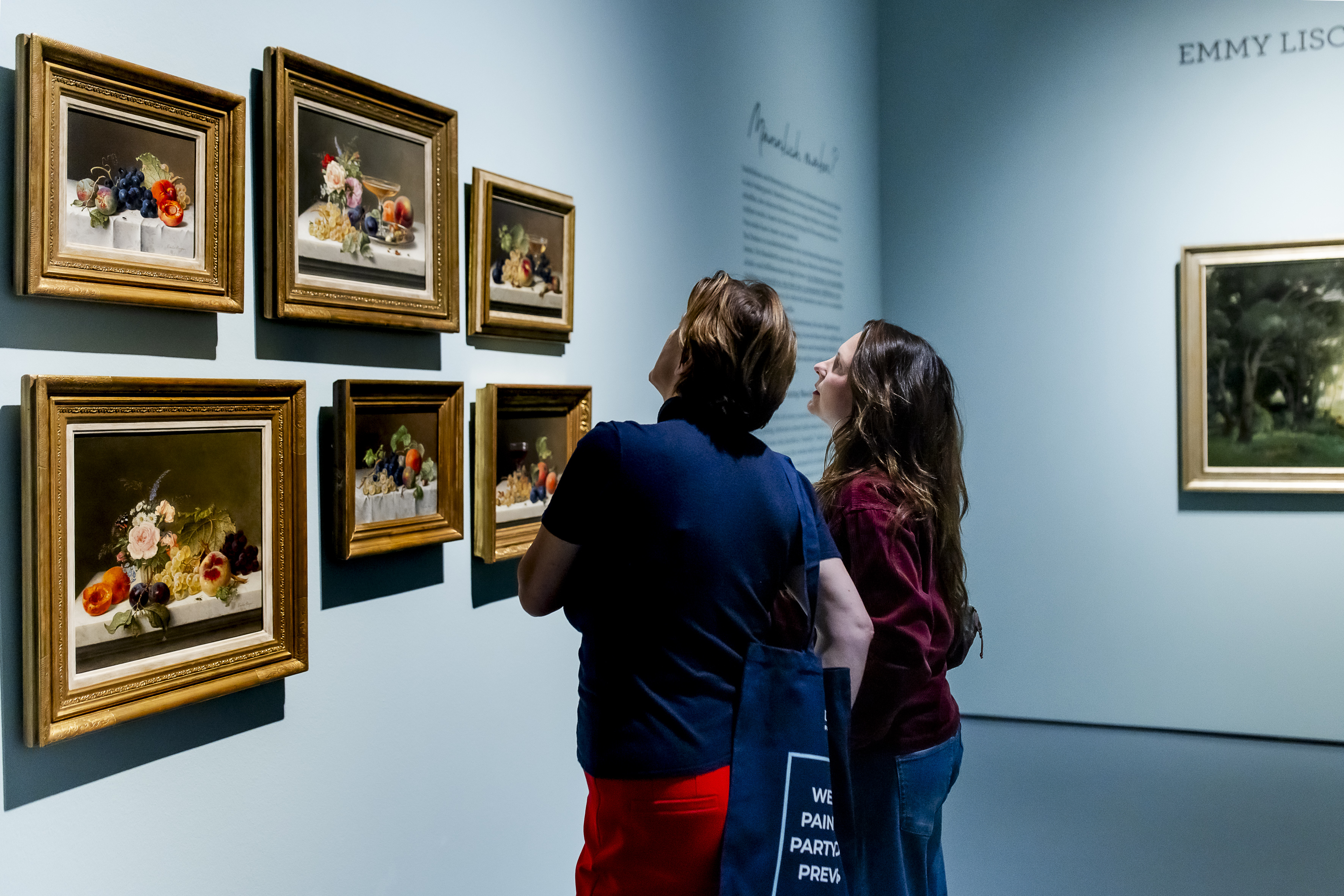
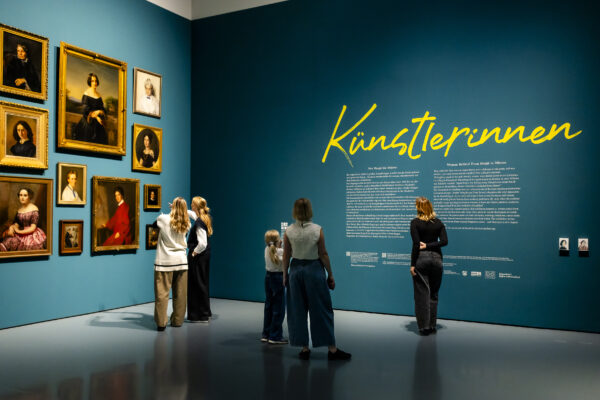 View of the exhibition ‘Women Artists! From Monjé to Münter’
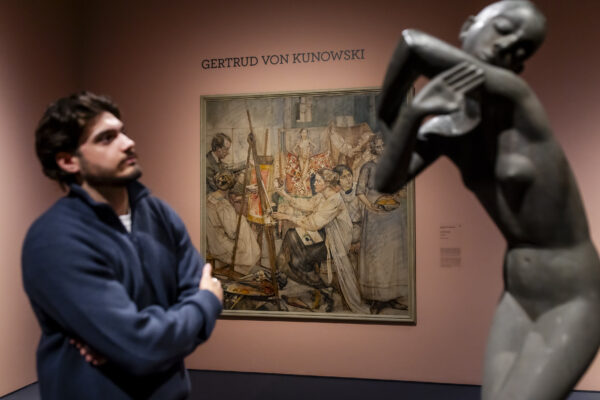 View of the exhibition ‘Women Artists! From Monjé to Münter’
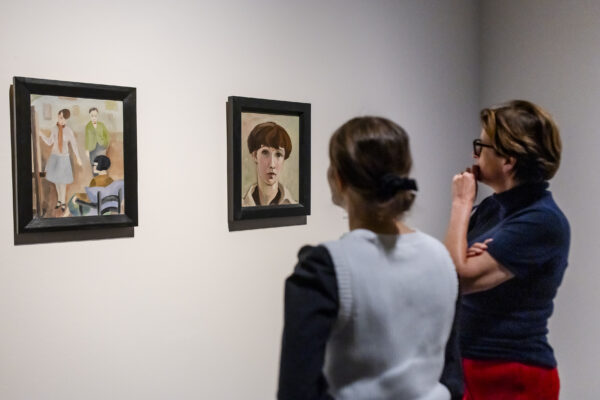 View of the exhibition ‘Women Artists! From Monjé to Münter’
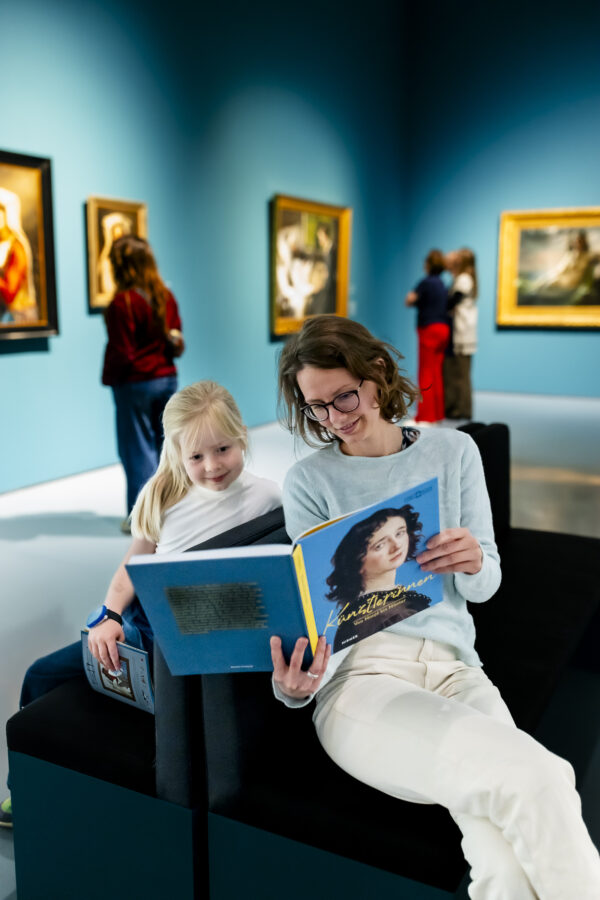 View of the exhibition ‘Women Artists! From Monjé to Münter’
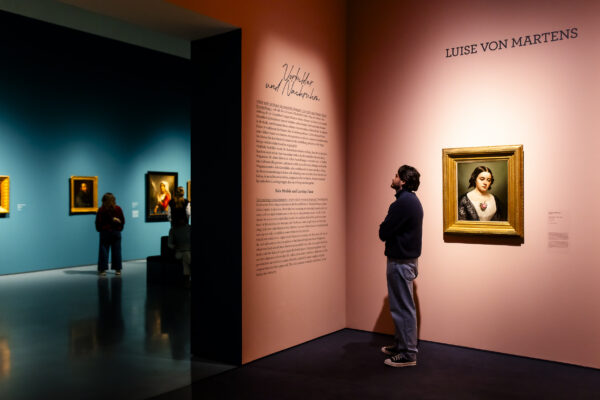 View of the exhibition ‘Women Artists! From Monjé to Münter’
 View of the exhibition ‘Women Artists! From Monjé to Münter’
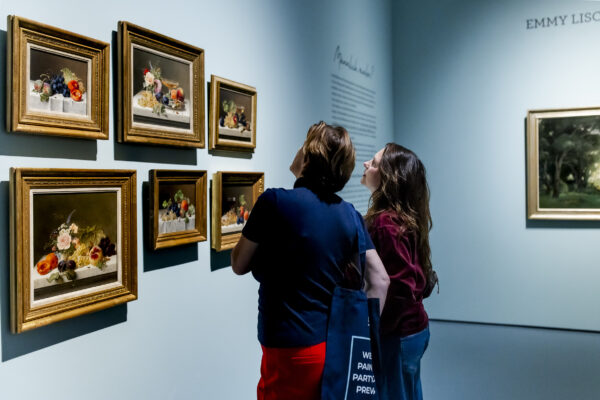 Foto: Anne Orthen
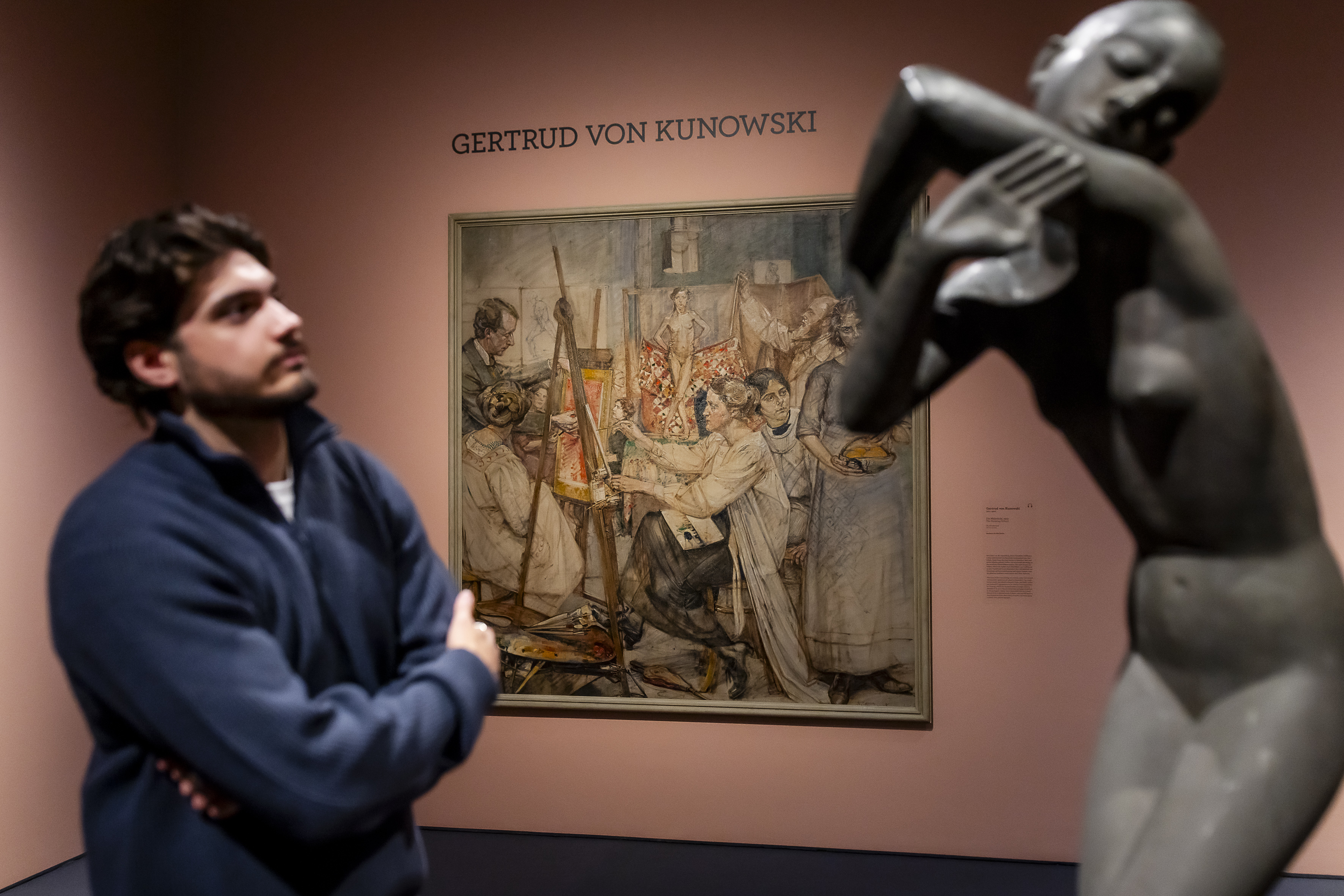
Supported by


Picture Credits
Picture Credits
The Secret Power of Scents
29 October 2025 – 22 March 2026
Date
29 October 2025 – 22 March 2026
Location
» KunstpalastAdmission: 16 € / concessions 12 €
Children / young people under 18: free
Members of Friends of the Kunstpalast: free
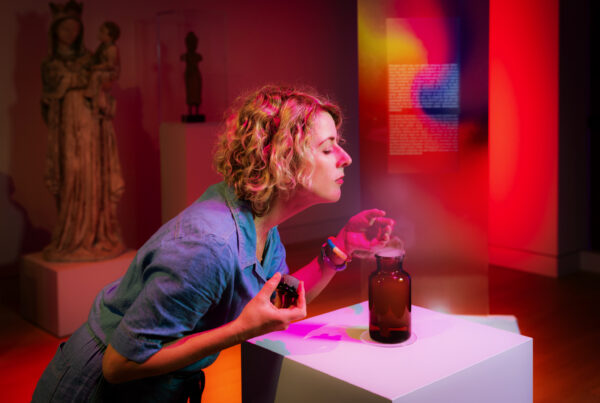
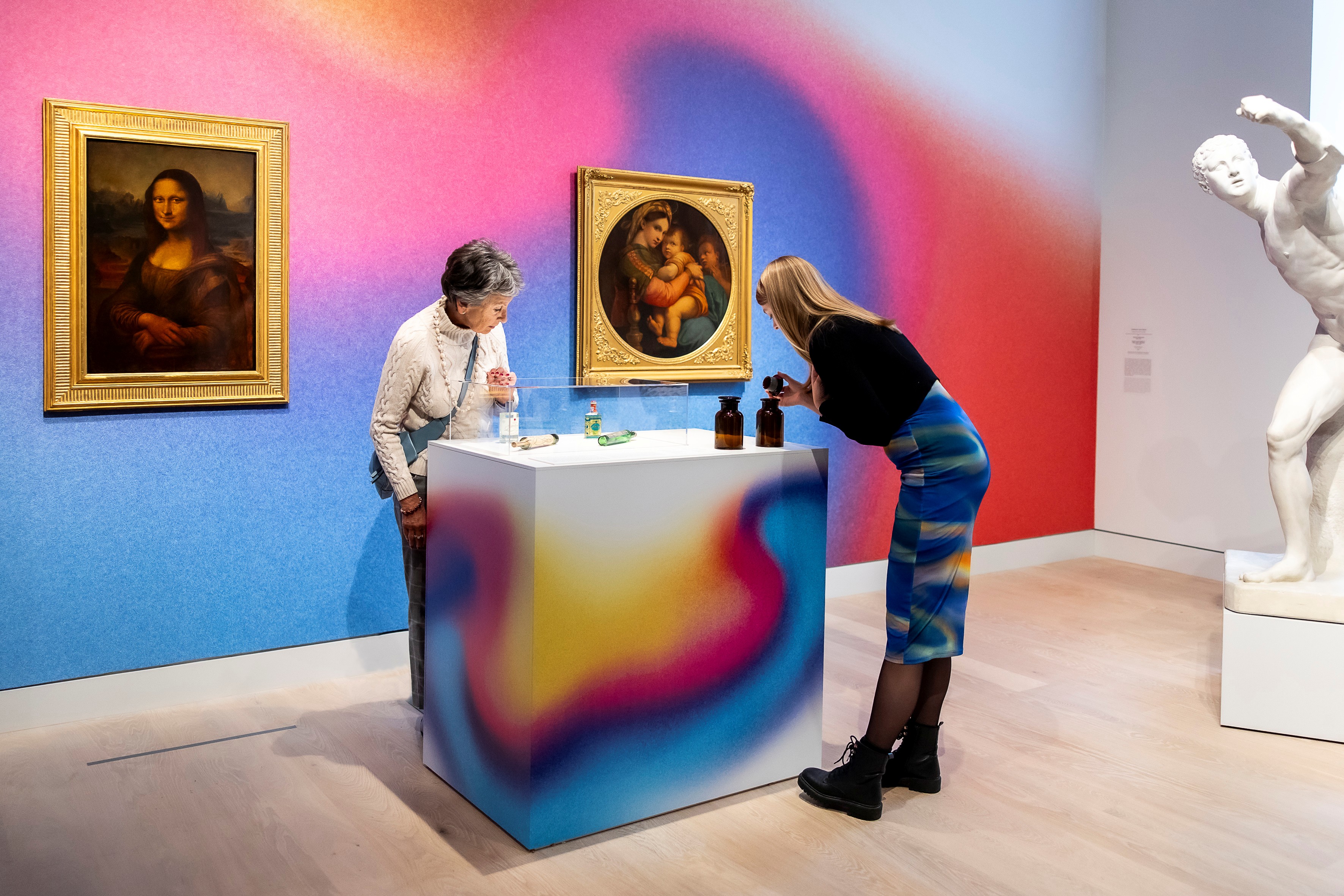
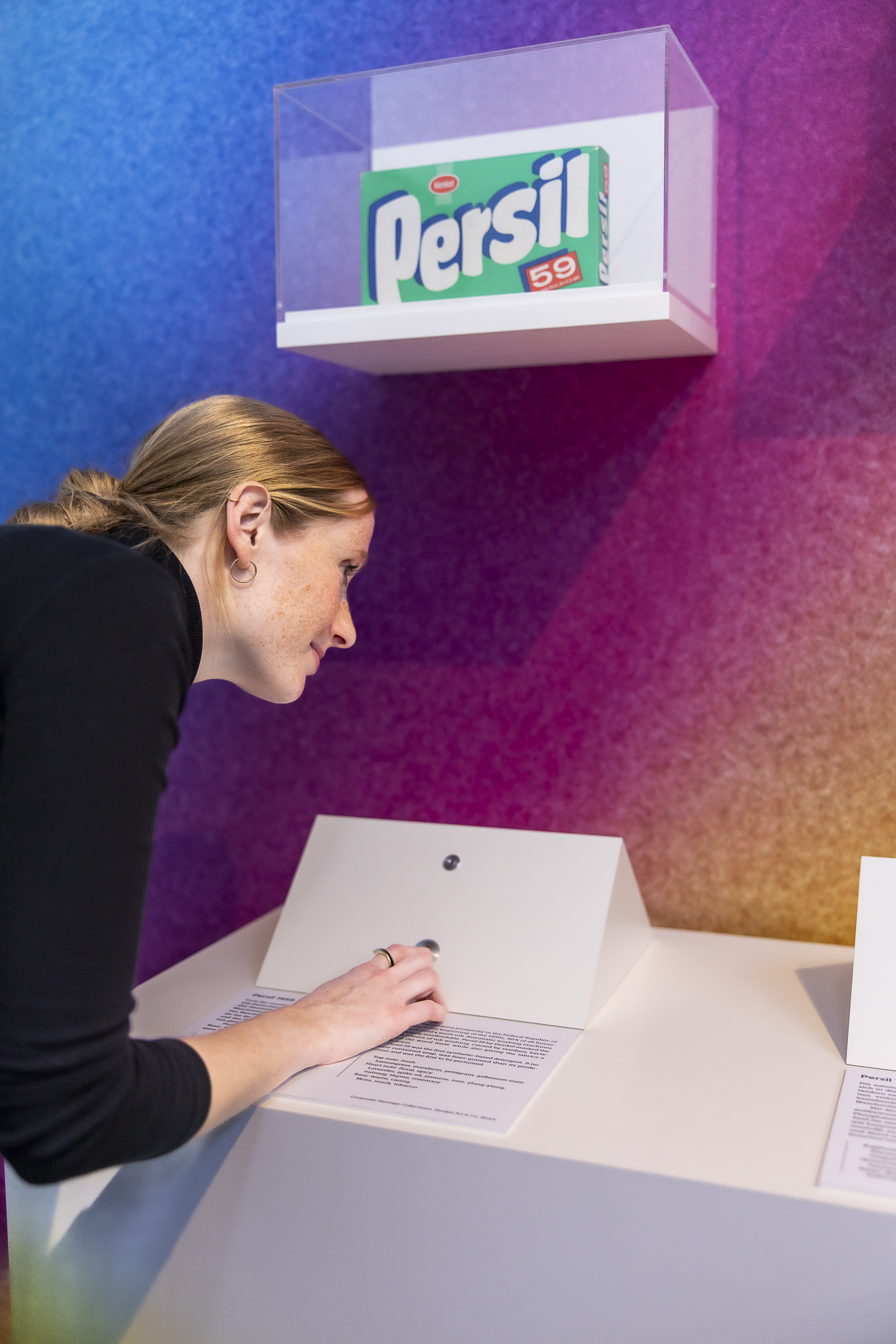
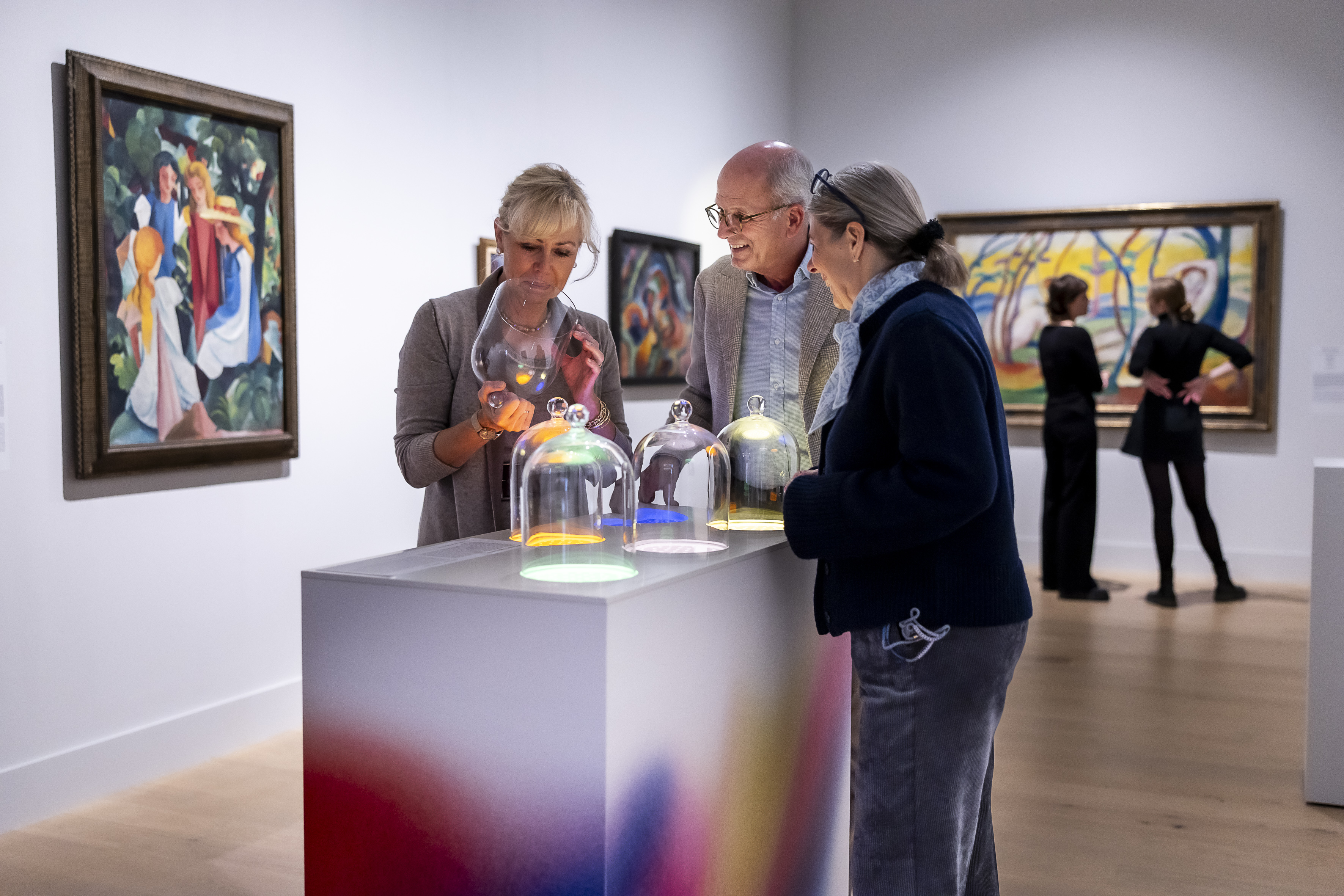
Humans have over 400 olfactory receptors – more than enough to distinguish between thousands of scents. Yet in Western cultures, the sense of smell often receives little attention. The exhibition The Secret Power of Scents at the Kunstpalast is now putting it centre stage: the show not only makes the history of scent visible, but also experienceable – through the nose.
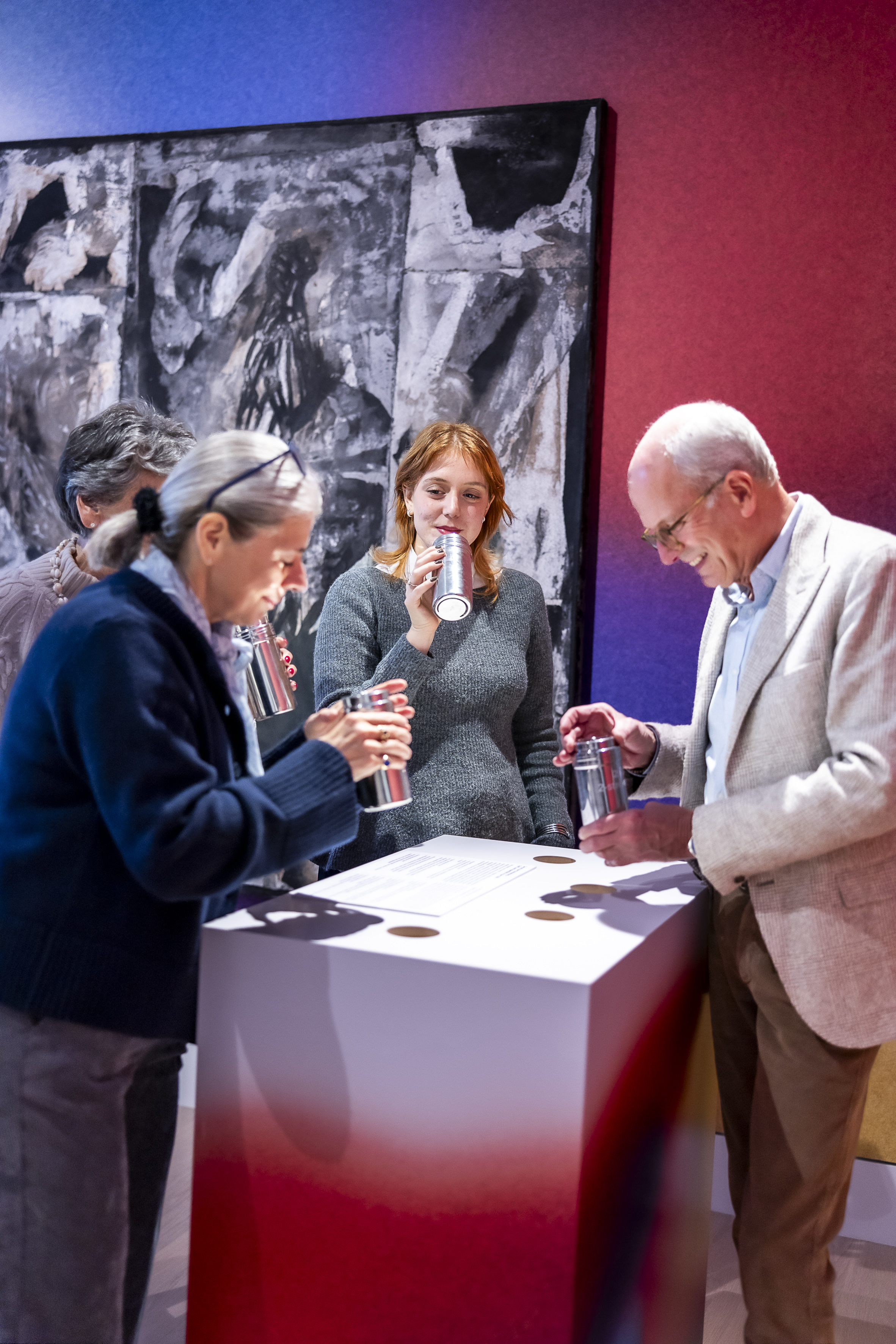
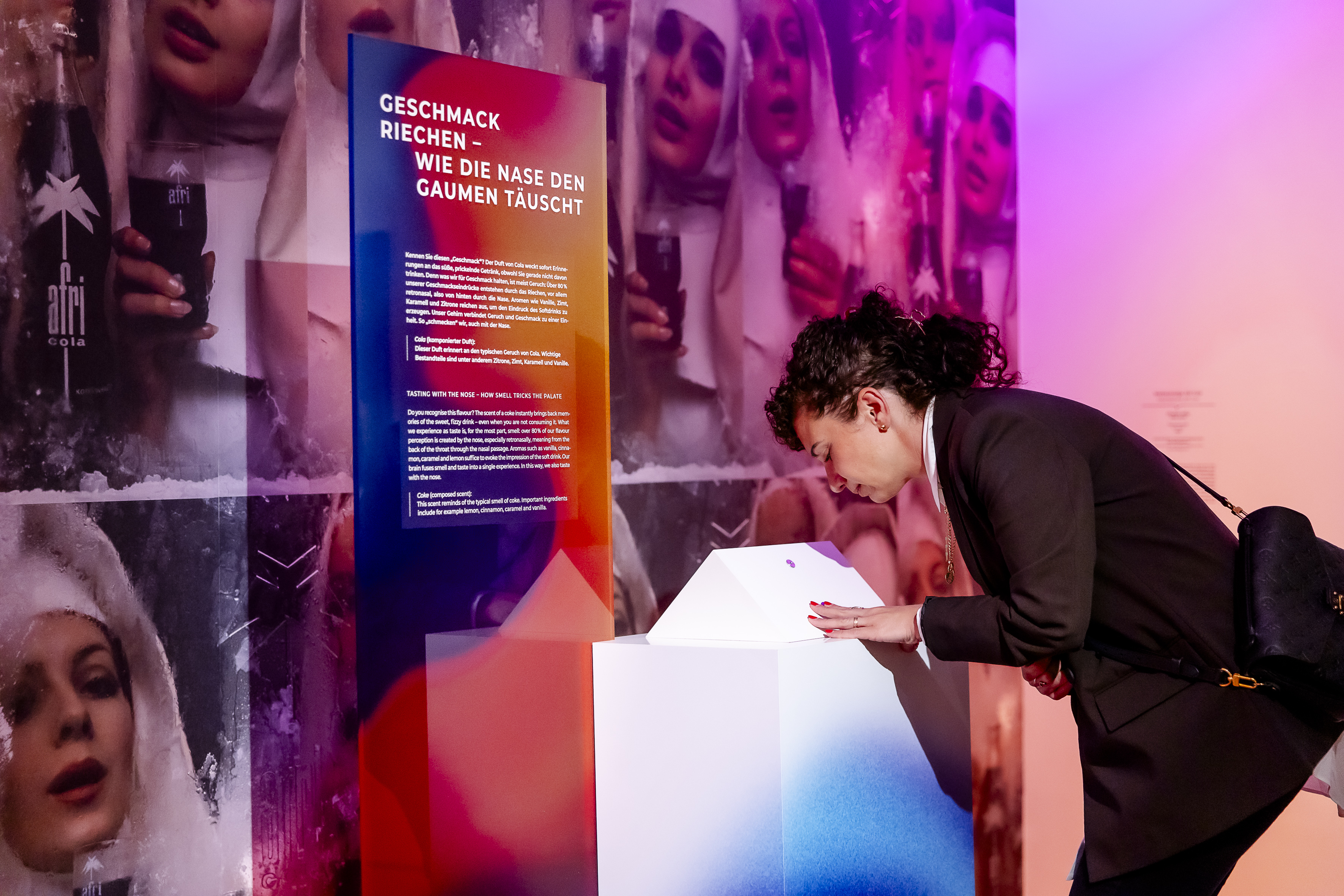
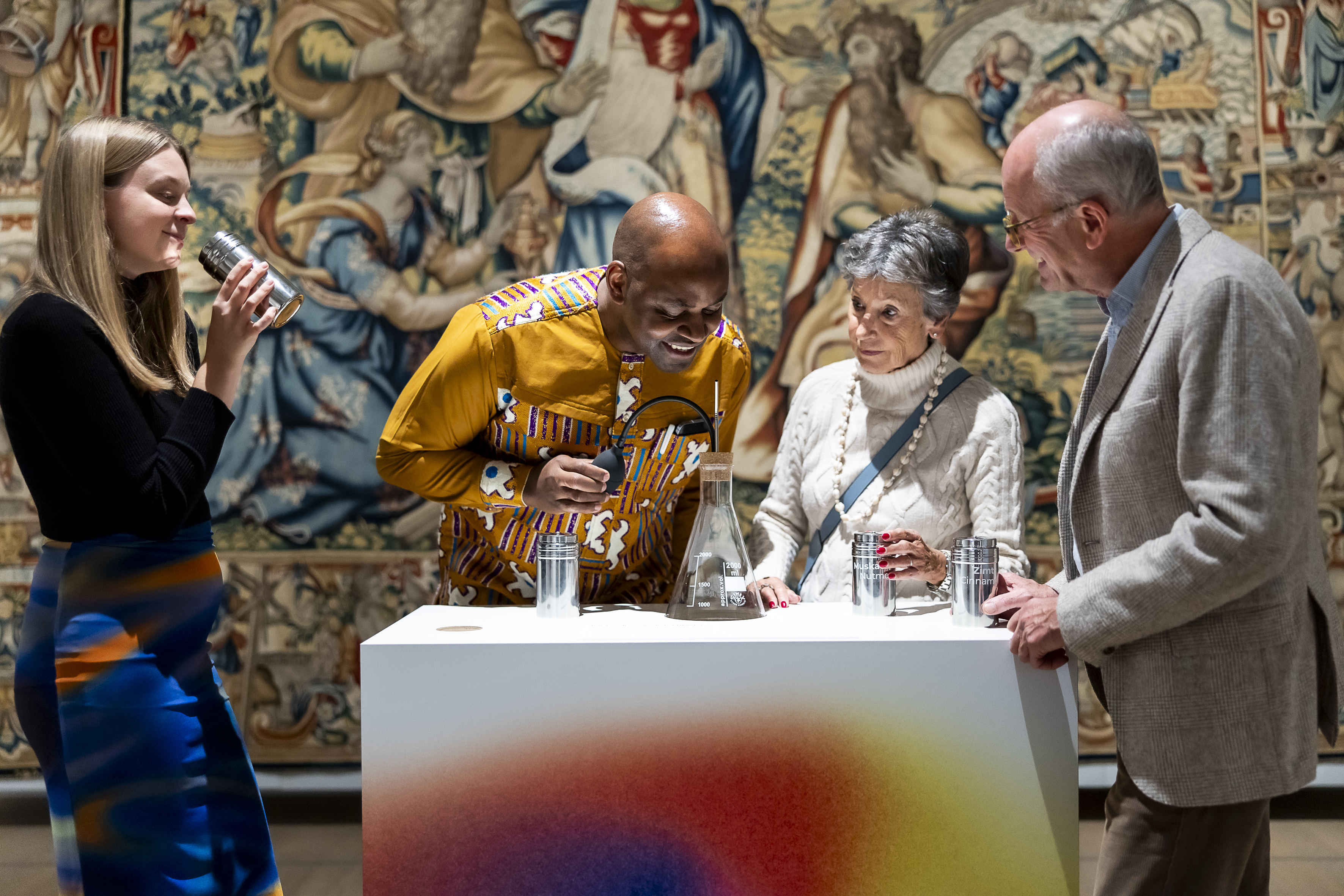
Scents awaken memories, stir emotions and influence our perceptions and actions. With this major overview exhibition, the Kunstpalast will focus on the fascinating history of scent for the first time – from antiquity to the present – and bring it to life as a sensory experience. Spanning 5,000 m², the exhibition takes visitors on a journey through more than a thousand years of art and cultural history. When walking through the collection, one can encounter around 30 specially developed scent stations that open up entirely new interactions between the experience of art and the sense of smell.
Curator: Robert Müller-Grünow, pioneer of scent technologies and author of Die geheime Macht der Düfte (Edel Books, 2018)

From Incense to Chanel N°5
The journey begins with the spiritual and therapeutic function of fragrances in religious ceremonies, which dates back thousands of years. It continues through the opulent fragrance culture of European courts in the Baroque era and the stench of 18th-century cities, where the legendary Eau de Cologne was developed. With the Industrial Revolution came synthetic scents, which not only influenced perfumes, but also soaps, detergents and other everyday products. In the 20th century, fashion houses such as Chanel revolutionised perfume history with their bold creations.

Scents between Science and the Future
Numerous studies have shown that scents influence our perception, memory and even well-being. The exhibition brings these findings to life: it presents scents that increase alertness and those that induce relaxation. The show also introduces the molecule Iso E Super, which makes its wearers seem more attractive and is considered the “scent of dreams”. New applications in medicine, marketing and virtual reality demonstrate the evolving role scents can play – now and in the future.

An Experience for All the Senses
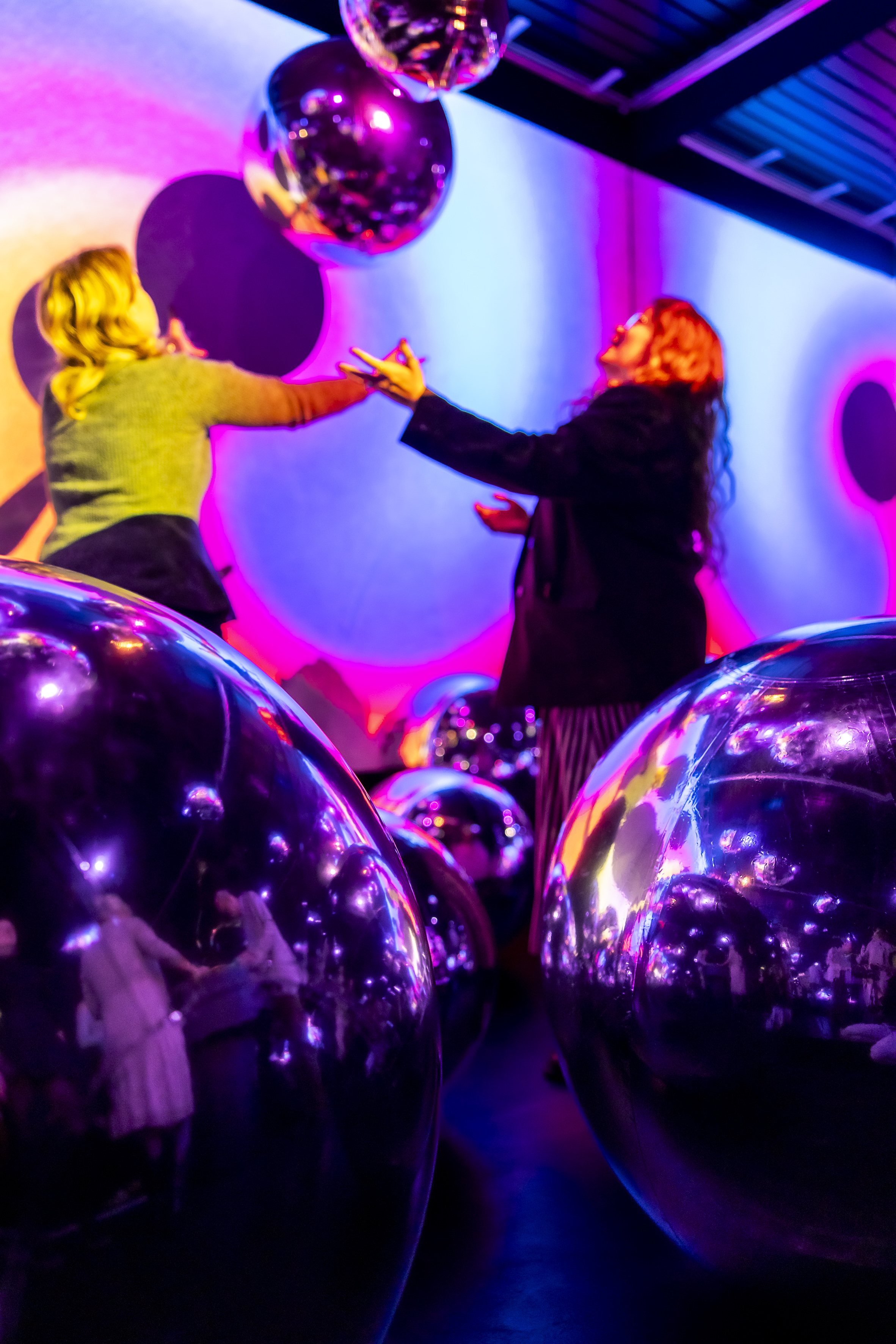
Sometimes as subtle as the smell of a room, sometimes interactive or selected for individual works – the combination of art appreciation and the sense of smell consistently creates an intense, emotional experience throughout the exhibition. The Secret Power of Scents opens up a new dimension of the museum experience. The show is aimed at all age groups and links a multisensory experience with social, cultural and scientific perspectives. Visitors can smell history – and perhaps discover a piece of their own in the process.
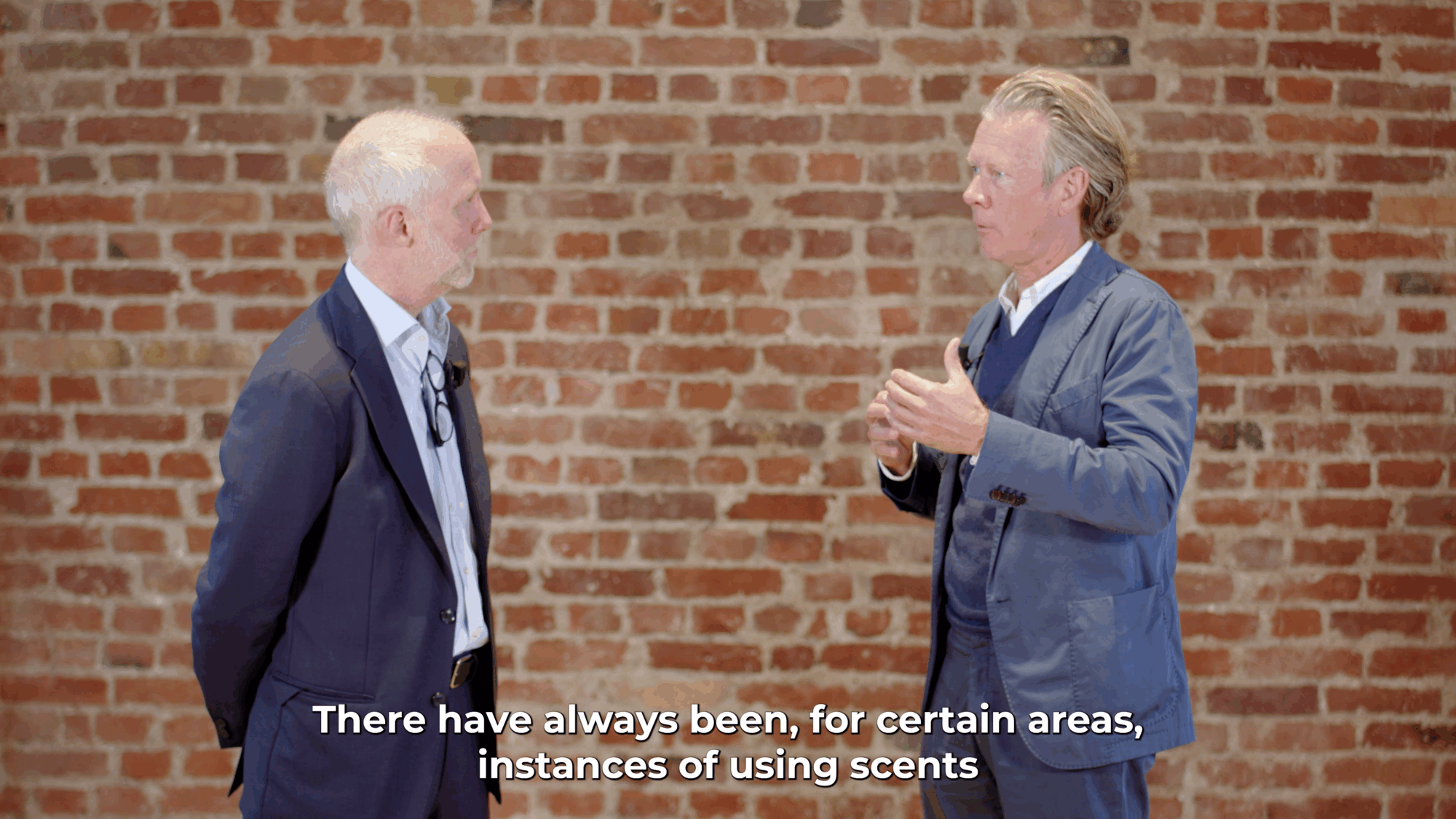
Interview with General Director Felix Krämer and Curator Robert Müller-Grünow


The Kunst­palast Fragrance
Bring the Kunstpalast into your home with this scented candle
Like a logo, scent can also embody the identity of an institution, create sensory connections with the content, arouse emotions or serve as an invisible brand signature. To commemorate the exhibition, curator Robert Müller-Grünow has composed a fragrance for the Kunstpalast, whose ingredients embody the museum’s openness, experimental spirit and dynamism. The Kunstpalast scented candle brings this atmosphere into your own four walls – now available exclusively at the museum shop for 49 €
Exhibition View
 Photo: Anne Orthen
 Photo: Anne Orthen
 Photo: Anne Orthen
 Photo: Anne Orthen
 Photo: Anne Orthen
 Photo: Anne Orthen
 Photo: Anne Orthen
Supported by




Image credits
Image credits